Global wine sales fell 5% in 2025, deepening caution in the bulk market
Weak retail demand and ample inventories have led buyers to delay large purchases even as new vintages arrive and vineyards advance toward harvest
2026-07-15
Buyers in the global bulk wine market remain cautious this month as weak retail demand, large inventories and softer pricing reduce pressure to commit to major purchases, according to Ciatti’s July 2026 Global Market Report released on Wednesday.
The report said early interest in newly available 2026 Southern Hemisphere wines faded through June and early July. Ciatti attributed that slowdown in part to the start of summer holidays in the Northern Hemisphere and midwinter breaks in the Southern Hemisphere, which interrupted negotiations before many inquiries turned into deals. But the broader reason, the company said, is that buyers see little need to move quickly while supply remains ample across most producing countries.
That caution reflects a wider downturn in wine consumption. Ciatti cited recently published data from International Wine & Spirits Research showing that global wine sales volumes fell by 5% in 2025, a steeper decline than the 2% drop recorded for total alcoholic beverage volumes. The report noted that sparkling wine and no-alcohol wine were exceptions, both posting growth even as the broader category contracted.
Ciatti also pointed to a follow-up bulletin from Wine Australia that broke out IWSR findings by major consumer market. According to the report, the United States led the decline in case-good sales, with notable weakness also seen across Europe, the United Kingdom, China and Argentina. The picture, Ciatti said, is one of long-term structural change compounded by post-pandemic economic pressure, leaving retailers and importers with sluggish sell-through and enough flexibility to buy only small amounts when needed.
That buying pattern has become central to the current bulk market. Rather than locking in large contracts months ahead, many customers are purchasing incrementally on a just-in-time basis. For brokers and suppliers, that means more price sensitivity, longer decision cycles and fewer signs of urgency even when new vintages come to market.
Ciatti said inventories remain high in most supplier countries, creating what it described as attractive opportunities for buyers willing to act. In a market where prices are generally trending lower, companies looking for quality wines or alternative wine products may be able to secure competitive offers for retail programs. The firm framed that as one of the few advantages in an otherwise slow environment: abundant stock can help brands sharpen pricing and try to win back consumers who have reduced wine purchases or shifted to other drinks.
The report comes as vineyards across key Northern Hemisphere regions move rapidly through the growing season. Europe has experienced intense heatwaves in May, June and July, pushing vine development ahead of schedule and prompting some growers to return early from pre-harvest holidays. Ciatti said the heat has accelerated growing cycles and raised fresh attention around vine health and final yield potential as producers head toward harvest.
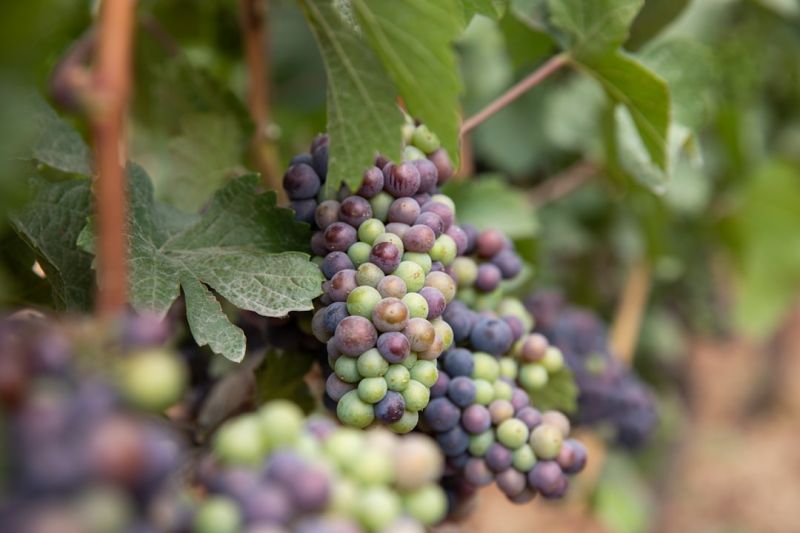
California is even further ahead than Europe in some respects, though for different reasons. Ciatti said vineyards across the state advanced because of unusually warm weather from February through April rather than extreme summer spikes. Veraison, the stage when grapes begin changing color and ripening, appeared to be underway almost statewide by July 4, according to the report. Ciatti said that timing could make this one of California’s earliest veraison periods in at least 20 years.
The pace of vineyard development matters because it shapes expectations for harvest timing, labor planning and eventual supply. In a market already dealing with excess inventory, another timely or large crop could add pressure unless demand improves. At the same time, weather risks remain important. Accelerated vine cycles can expose grapes to different heat patterns later in summer and may affect yields or fruit balance depending on conditions through harvest.
Ciatti’s monthly report is closely watched in parts of the trade because it combines broker feedback with pricing indications across major producing countries. The company said its July edition includes details on recent bulk-wine activity, including which styles have traded and at what prices, though much of its detailed pricing grid remains behind a subscription paywall.
The overall message from this month’s release is that supply is available, buyers are selective and consumption trends continue to weigh on confidence. Even with fresh Southern Hemisphere wines entering the market and Northern Hemisphere vineyards moving quickly toward harvest, the trade is still being shaped less by scarcity than by hesitation over how much wine consumers are prepared to buy.
