Germany Begins Its Earliest Grape Harvest on Record
A hot summer sped ripening across all wine regions, pushing the main harvest one to two weeks ahead of recent years.
Monday, August 31, 2026
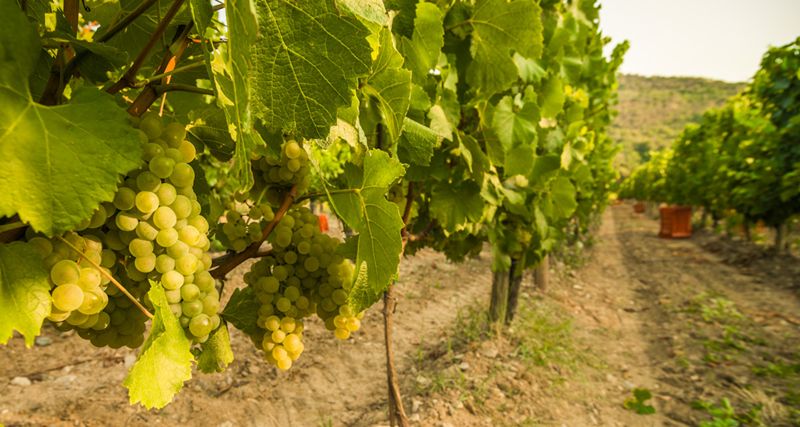
Germany’s 2026 grape harvest is moving ahead at the earliest pace on record, with growers in all wine regions bringing in fruit weeks ahead of the schedule that was common in past decades after a hot summer sped up ripening across the country.
The German Wine Institute said on August 28 that the main harvest has already started unusually early and will begin on a large scale in the first week of September. In many vineyards, grapes for young wine and sparkling wine base had already been picked, and some fruit for top wines was also coming in. According to the institute, the main harvest is starting one to two weeks earlier than in recent years and about four weeks earlier than it did 30 to 40 years ago.
“This was the earliest harvest start ever in all wine-growing regions,” Ernst Büscher of the German Wine Institute said, according to dpa reporting carried by WELT. He said some winegrowers had even cut short their vacations to begin picking.
The accelerated timetable is affecting vineyards from Saxony in eastern Germany to the Lake Constance area in the south, underscoring how broadly the summer heat has shaped this year’s vintage. The institute said almost all grape varieties are ripening at roughly the same time, which is expected to compress labor needs, machinery use and winery intake into a much shorter period than usual.
That concentration is likely to make the harvest move very quickly. The German Wine Institute said the 2026 harvest could be completed as early as September if current conditions continue. The exact pace will still depend on the weather in the coming days and weeks, but officials said a larger rainfall event could push growers to pick even faster.
The early harvest is not only a matter of timing. It also reflects decisions winemakers are making about grape chemistry and wine style. Büscher said producers want to avoid allowing too much sugar to build up in the grapes, because that tends to produce fuller, higher-alcohol wines. He said the market trend is moving in the opposite direction, with stronger demand for lighter wines with lower alcohol levels. Growers are also watching acidity closely, especially in white varieties, because excessive heat can reduce the fruit acidity that helps define the freshness associated with many German wines.
The German Wine Institute said sugar levels and fruit acidity are both shaping harvest decisions this year. Producers are trying to preserve the balance needed for white wines to retain their typical freshness while still harvesting ripe fruit. That balance has become more difficult to manage in a season marked by sustained heat and rapid maturation.
Despite the pressure created by the compressed schedule, early reports on fruit quality have been encouraging. The institute said winegrowers are broadly satisfied with the health of the grapes already harvested and expect aromatic white wines and deeply colored red wines from the 2026 vintage. Büscher said the grapes remain healthy and promising, even though the bunches are smaller than usual.
The smaller berry size is central to the production outlook. The German Wine Institute expects yields to come in below average because dry conditions limited berry growth. It has not yet published a national production estimate in hectoliters or a percentage decline, so there is no official figure yet for the scale of the expected shortfall. For now, the institute’s guidance is limited to a qualitative forecast that output will likely be under the long-term average.
That means the 2026 season is shaping up as a year of potentially good quality but lighter volumes, a combination that often changes the economics and logistics of harvest even before bottling begins. A shorter, earlier picking window can put pressure on staffing, transport and cellar capacity, especially when many varieties and regions reach maturity at nearly the same time.
In practical terms, growers are having to make quick decisions about when to bring fruit in and how to prioritize plots. The institute said the very early start first became visible in grapes destined for Federweisser, the partially fermented young wine that traditionally marks the opening of the harvest season. What followed was an equally early shift into the main harvest, which in most years would still be building momentum at this point rather than moving toward full-scale collection in early September.
The speed of ripening has made 2026 stand out even against other recent early harvests. Germany’s wine sector has become increasingly accustomed to warm years and shifting vineyard calendars, but industry officials said this season has moved beyond that trend, setting a new benchmark for earliness since regular record-keeping began.
For growers, the challenge now is to keep fruit quality intact during what could be one of the fastest harvests in recent memory. The institute said ideally the next few weeks should remain mostly dry. Larger rainfall totals would likely intensify the rush, forcing vineyards to pick fruit sooner in order to protect quality and maintain the style many producers are targeting.
The result is a harvest that is notable not just because it is early, but because nearly every part of the production calendar is being pulled forward at once. Vineyards are starting sooner, many varieties are ripening together, and wineries may complete intake well before the period that was once considered normal for the German harvest season.