Italy updates wine aid rules to offer grants covering 80% of climate adaptation costs
A new Agriculture Ministry decree aligns national policy with the latest E.U. framework, including the same aid ceiling for winery sustainability projects
Saturday, October 17, 2026
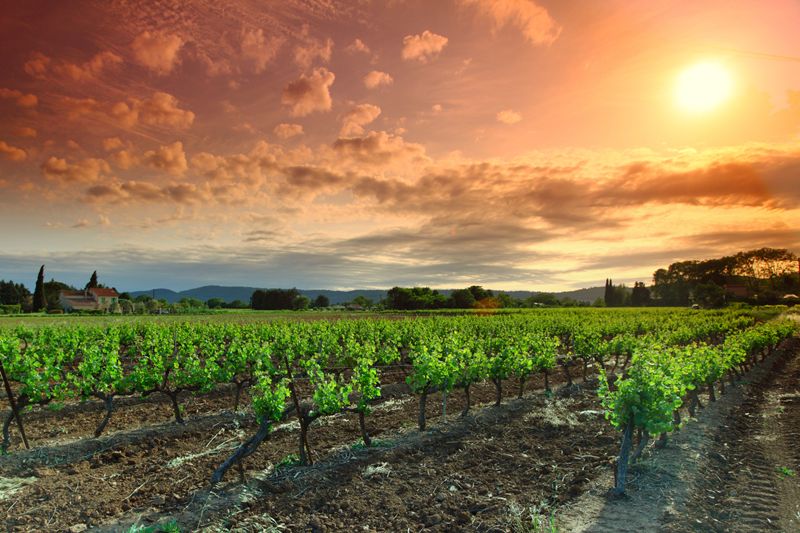
Italy has updated its wine-sector aid rules to align with a new European Union framework, opening the way for grants of up to 80% for vineyards adapting to climate conditions and for wineries investing in sustainability.
The change comes through a decree from Italy’s Ministry of Agriculture dated Sept. 18 and published in the Official Gazette on Oct. 13. According to Il Sole 24 Ore’s NT+ Fisco service, the measure brings national rules into line with EU Regulation 2026/471, part of the wine package approved in Brussels in February.
The decree changes two Italian decrees adopted in December 2024 that govern the main support measures for the wine industry under the country’s strategic plan. The source report says the revised rules are designed to reflect the new European framework and to redirect support toward climate adaptation and sustainability investments in the wine supply chain.
Under the updated system, support can reach 80% for vineyards that undertake measures to adapt to climate conditions. The same ceiling can apply to wineries making sustainability-related investments. The source did not provide a full breakdown of eligible expenses or project categories, but the direction of the policy is clear: public support is being tied more closely to environmental resilience and modernization.
That matters because wine producers across Europe have been facing growing pressure from heat, drought, irregular rainfall, and other weather-related risks that can affect grape yields, quality, and production planning. By setting a high aid level for adaptation, Italy is signaling that climate resilience is no longer being treated as a secondary issue for the sector. The measure also places sustainability spending by wineries alongside vineyard adaptation, linking agricultural production and cellar operations within the same policy shift.
The move is also important for the broader drinks industry. Wine is a central part of the European beverage market, and changes in how governments support vineyard renewal, winery equipment, and sustainability projects can influence investment decisions across the sector. In practice, the new rules could help accelerate the modernization of Italian vineyards and wineries and, over time, may affect the competitive position of producers not only in wine but across a beverage industry that is under pressure to cut emissions, manage water use, and respond to changing consumer and regulatory expectations.
The available information indicates that the Italian decree is not creating a separate policy from scratch but instead adjusting existing national instruments to fit the latest EU rules. That is significant from a regulatory standpoint because it suggests continuity in the structure of support, with the main change lying in the updated priorities and conditions tied to the European wine package.
Italy’s decision to revise the December 2024 decrees also shows how quickly member states are being asked to translate Brussels decisions into domestic rules. The European package approved in February has now been incorporated into Italian law through the Agriculture Ministry’s decree, published several months later in the Official Gazette. For producers, that sequence matters because publication is the point at which the new framework becomes formally visible and usable in the national legal system.
The decree arrives at a time when sustainability requirements are becoming more central in agricultural and food policy. For wine producers, that often means spending on water management, energy efficiency, waste reduction, and production methods better suited to shifting climate conditions. While the source report did not spell out each eligible intervention, the reference to vineyards adapting to climate and wineries investing in sustainability indicates that both field-level and facility-level changes are being targeted.
For Italian producers, especially those planning capital spending, the availability of support at levels up to 80% could materially change the economics of investment. Projects that might have been delayed because of cost could become more feasible if the new rules are paired with accessible application procedures and timely disbursement. That is likely to be closely watched in a sector where margins can be tight and where weather-related losses can quickly disrupt business plans.
The measure may also be read as part of a wider effort to keep the wine sector competitive while adapting it to stricter environmental expectations. Public support at this scale can help reduce the gap between policy goals and on-the-ground investment capacity, particularly for producers that need to upgrade vineyards or winery operations but cannot fully absorb the cost on their own.
Il Sole 24 Ore reported that the decree specifically updates the national framework to match the EU wine package. That means the Italian changes should be understood less as an isolated domestic initiative and more as one step in the broader European reshaping of wine policy, with climate adaptation and sustainability now placed more directly at the center of support rules.