Heat and Drought Cut the Colli Euganei Wine Harvest by 12%
Local groups said export values rose 6.5% through August despite lower yields in the hills near Padua.
Tuesday, October 13, 2026
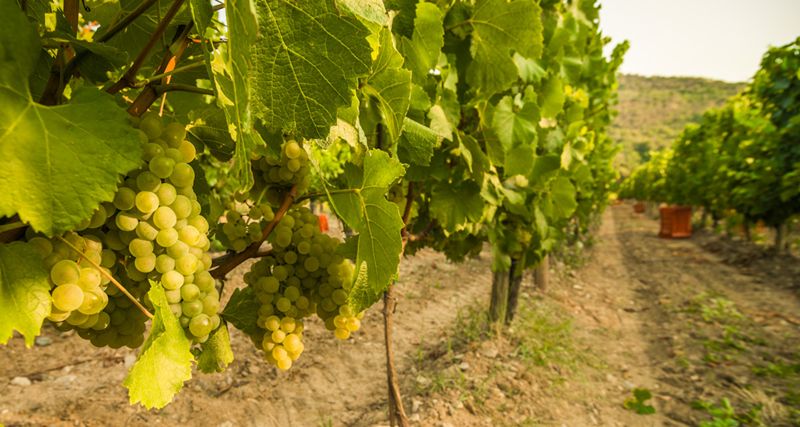
Wine producers in the Colli Euganei hills near Padua are heading into the end of the 2026 harvest with a smaller crop but firmer foreign sales, according to local officials and industry groups that presented a seasonal update on Tuesday.
The harvest is currently estimated to be 12% below the average of previous years, a decline tied mainly to heat and drought in the hilly area. At the same time, the value of exports from the district rose 6.5% in the first eight months of 2026, a sign that overseas demand has remained resilient even as supply tightened. The groups that presented the figures did not provide absolute export values, export volumes, or enough data to determine whether the increase came from higher prices, a different product mix, or both.
The Colli Euganei, a wine area in the province of Padua in northeastern Italy, has about 3,000 hectares of vineyards in the hills. Across the wider Padua area, vineyards cover more than 8,000 hectares. The local balance for 2026 points to uneven conditions between flatter land and the hills, where producers say yields have fallen more sharply.
Gianluca Carraro, president of the consortium that protects Colli Euganei wines, cautioned that the production figure remains provisional because official declarations from producers had not yet been fully filed. He said yields in the plains were largely stable, while output in the hills declined. That distinction matters because the current 12% figure is an estimate against an average from prior years, not a final volume count in hectoliters.
The 2026 harvest also moved forward on the calendar. Producers began picking grapes in early August, more than 10 days earlier than usual, and the work was nearly complete by mid-September. Sparkling wine grapes were harvested first, followed by Fior d’Arancio and then red varieties. Farmers’ representatives said the shift reflects a pattern that has become more common as warmer conditions push ripening earlier in the season.
Growers said they adapted by shielding grape clusters from direct sun, trying to retain moisture in the soil, and in some cases starting the harvest at 4 a.m. to avoid the hottest hours of the day. Despite the lower expected output, industry representatives said grape health was generally good and that nighttime cooling in the hills helped protect fruit quality.
The smaller crop has not stopped export growth. According to the sector update, red wines from the area posted an 8% increase in markets including the United States and Canada during the January-August period. Producers also reported demand for Fior d’Arancio in Germany, the United Kingdom, and the Netherlands, while Serprino gained space in Japan and South Korea. The groups linked part of that performance to wine tourism, which they said is helping wineries reach new consumers and markets.
Still, the current data leaves open key questions about the economics behind the export gain. The update referred only to the value of exports, not to the volume sold. Without volume data, it is not possible to say whether wineries shipped fewer bottles at higher prices, sold more premium labels, or expanded physical sales abroad. That gap is important in a year when lower harvest volumes could put pressure on supply.
The season also exposed several structural problems for growers in the hills. Farm organizations said drought and recurring heat are changing vineyard work and increasing the need for water storage, irrigation access, and climate protection. They called for small reservoirs to hold water, maintenance of rivers, ditches, and canals, and stronger defenses against hail. Some representatives warned that hillside wine growing could gradually shift toward areas with easier access to water if current pressures continue.
Carraro said vineyards in the hills need simpler permit procedures for drilling wells and more targeted financial support. Other farm groups called for research partnerships with universities and nurseries to develop varieties that can better withstand heat and drought. Confagricoltura, another farm organization, also urged more suitable insurance coverage for climate-related and animal-related losses.
Wildlife damage was another major concern. Producers said wild boars have eaten grapes and damaged nets, walls, and land in some parts of the area. In the hardest-hit zones, losses reached as much as 20% of grapes, though that figure applies only to certain locations and not to the entire district. Farmers also reported damage from roe deer, although they said those losses are harder to document.
Roberto Lorin, president of Coldiretti Padova, said current culling levels were not enough to contain the problem and called for more controls, publicly funded fencing, and faster compensation for losses. Carraro said the area needs more trapping and capture capacity. The complaints underline a broader concern among growers that climate stress and wildlife pressure are arriving at the same time, adding costs in a year when production is already expected to fall.
Local officials and farm groups said the stakes go beyond this year’s wine volume. They argued that vineyards in the Euganean Hills support employment, protect the landscape, and help sustain tourism in the area. For now, the 2026 season is being defined by that mixed picture: a smaller harvest brought on by weather and local damage, quality that producers say remains strong, and export values that continue to rise even before the final crop figures are in.