Red Wine Slump Pushed White Grapes Into a Majority of Australia’s 2026 Crush
Wine Australia said red grape output fell 29%, leaving white varieties at 53% of the national crush.
Thursday, October 8, 2026

Views › 4281
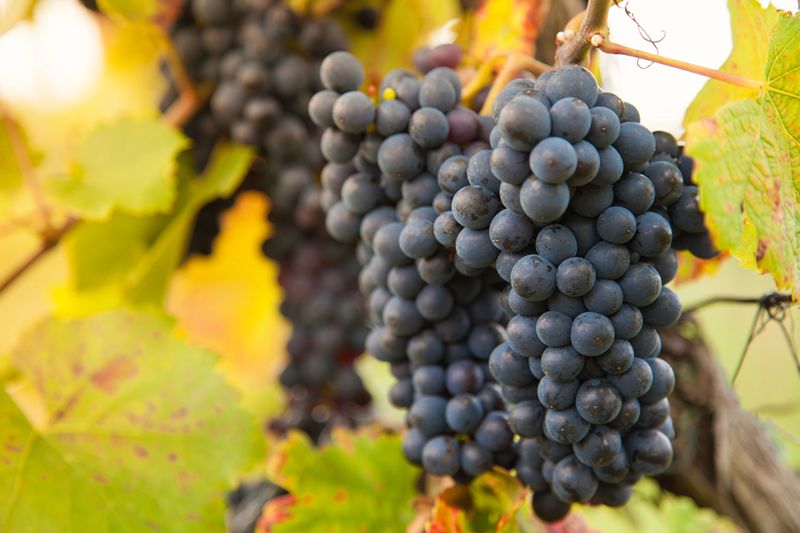
Red wine is losing ground in the global market, and the shift is now changing what growers harvest and what buyers pay in Australia.
A Wine Australia market bulletin released on Wednesday said red wine’s share of global consumption fell from about 52% in 2012 to 43% in 2025, a drop of nine percentage points, based on IWSR data cited by the industry body. Over the same period, white wine rose from 31% to 34%, while sparkling wine increased from 8% to 13%.
The change means red wine has lost about 17.3% of its starting share over that period, while sparkling wine’s share has expanded by 62.5%. Wine Australia said the figures are approximate and reflect a longer-term interpretation of earlier series rather than a monthly update of world consumption.
The bulletin described the shift as a structural change rather than a short-term reaction to weaker global wine demand. It said consumers in many mature wine markets are drinking less wine overall, but the decline has been sharper for red than for white and sparkling styles. Wine Australia pointed to changing demographics, moderation in alcohol use, stronger competition from beer, spirits, ready-to-drink products and no-alcohol alternatives, and a change in the kinds of occasions when people choose to drink.
For decades, red wine held a central place in large wine-producing countries such as France, Italy and Spain, where it was closely tied to daily meals and long-established habits. Wine Australia said that pattern has weakened as consumers shift toward more casual and flexible drinking occasions, including outdoor gatherings, after-work drinks and informal meals, where lighter styles are often preferred.
The bulletin said white wine has held up better because it fits a wider range of current drinking occasions and food choices. It also said sparkling wine has expanded beyond traditional celebrations and become a more common choice in everyday settings. Wine Australia highlighted Prosecco as a clear example of that change, saying it has helped create new wine-drinking occasions rather than simply taking share from other wine categories.
The movement in global demand is now showing up in production data. Wine Australia said global white wine production has increased steadily over the past two decades and overtook red wine production around 2013, citing data from the International Organisation of Vine and Wine.
In Australia, the 2026 vintage showed the same shift in sharper form. The total winegrape crush fell to an estimated 1.27 million tonnes, the smallest since 2000, according to Wine Australia’s national vintage data. Red grape output dropped 29% to about 596,000 tonnes, while white grapes declined 9% to about 669,000 tonnes. That left white varieties at 53% of the national crush, the first time since 2012 that white grapes made up a majority of the total.
The numbers suggest that falling red demand is no longer only a consumption story. It is also changing the mix of grapes being harvested, the value of different varieties and the investment decisions facing growers and wineries.
Prices moved in the same direction. Wine Australia said the national weighted average purchase price fell 6% in 2026 to A$570 per tonne, despite the smaller crop. That decline indicates that lower production alone was not enough to offset weak demand and heavy supply pressure in parts of the market.
The strongest pressure remains in Australia’s major warm inland regions, which produce a large share of the country’s commercial wine. Across the Riverland, Murray Darling-Swan Hill and Riverina, the average purchase price fell from A$351 per tonne in 2025 to A$329 per tonne in 2026, or about 18% below the long-term average, the bulletin said.
The gap between red and white grapes was especially clear in those warm regions. White grapes averaged A$350 per tonne in 2026, while red grapes averaged A$290 per tonne. That put white fruit A$60 per tonne, or about 21%, above red.
Wine Australia said warm-region red grapes have now lost more than 55% of their value since a 2020 peak above A$650 per tonne. By contrast, warm-region white grapes have been more resilient. Their average price rose from A$285 per tonne in 2016 to above A$400 per tonne in 2021 and then eased back to A$350 per tonne in 2026, still well above the level for warm-region reds.
The reversal matters because Australian wine’s export identity has long been built around red varieties, especially Shiraz and Cabernet Sauvignon. Wine Australia said premium Australian reds still hold strong international reputations, but the pressure is growing in commercial segments that once relied on broader volume demand.
The bulletin linked that pressure to a mismatch between Australia’s historic production profile and the styles that are showing more resilience in global markets. It said the reopening of the Chinese market has created fresh export opportunities for some producers, but excess supply and weaker red wine demand continue to weigh on pricing, especially for red grapes tied to bulk and commercial wine production.
At the same time, some white varieties are in a stronger position. Wine Australia said Chardonnay has become strategically important, supported by domestic demand and better international recognition. It pointed to regions including Margaret River, Adelaide Hills, Yarra Valley and Tasmania as places that have built strong reputations for premium Chardonnay and other cool-climate white wines.
The price gap in cool-climate areas has also narrowed. According to the bulletin, cool-climate red grape prices peaked at A$1,700 per tonne in 2020 before easing to about A$1,440 per tonne in 2026. Cool-climate white grapes rose from less than A$1,000 per tonne in 2016 to A$1,360 per tonne in 2026, leaving a difference of less than A$100 per tonne.
Wine Australia said those changes show the industry is moving through a broader rebalancing, not just a temporary downturn. It said producers in several countries have already been shifting portfolios toward white and sparkling wines, and that Australia is beginning to show the same pattern in its crush mix and grape prices. The bulletin said the main question for growers and wineries is no longer whether red wine remains important, but how much of the market can still rely on the older model of large-volume red demand.