Younger Chinese drinkers are remaking a wine market that shrank 61%
Executives say personal buying, lighter styles and online channels are displacing banquet reds that once defined imported wine
Friday, November 20, 2026

Views › 378
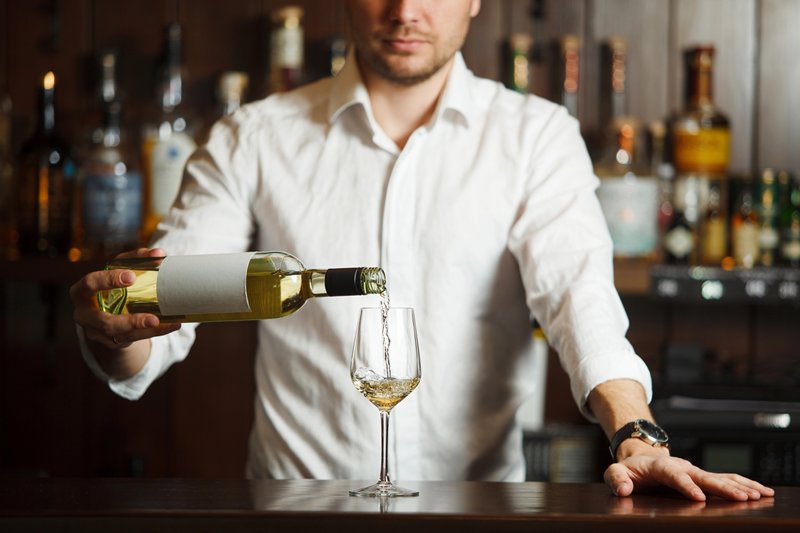
China’s wine market is shrinking in overall volume, but industry executives and exporters say the business is being reshaped rather than abandoned, with younger drinkers moving away from gift buying and banquet consumption and toward personal use, lighter styles and online sales.
According to the OIV, wine consumption in China fell 61% between 2020 and 2025. That drop has been tied to government limits on official spending and entertainment, weaker demand for the gift-driven business that once supported imported reds, and broader changes in consumer taste. But interviews conducted around ProWine Shanghai and reported by The Buyer suggest the market is also developing in new directions that could matter for wineries, importers and other beverage companies trying to adjust their product mix and sales strategy in a major market.
Several executives told the publication that the biggest shift is cultural. Iain Langridge, managing director of Suzhou-based consultancy In2Asia, said Chinese consumers, especially younger ones, are no longer following older rules about how wine should be bought, served or discussed. Instead, he said, they are experimenting more freely and choosing wine for their own tastes rather than for status or protocol.
Jérôme Tafani, a Beijing-based export manager for the Piedmont producer Sartirano Figli Cantine e Vigneti, told The Buyer that the market has moved over the past decade from collective consumption tied to banquets, business dinners and gifts to more individual buying decisions. That change is altering not only what sells, but also how producers need to present themselves in China.
The picture from Shanghai was mixed. ProWine Shanghai occupied less space than in earlier editions, reflecting a softer market and lower participation from some countries. France, once one of the strongest symbols of imported wine in China, had a more limited presence than Germany, New Zealand and Chinese exhibitors. Yet outside the trade fair, wine bars and local festivals in Shanghai pointed to strong engagement among younger urban consumers.
In the Jing’an district, according to The Buyer, wine bars were serving everything from classic Burgundy to Chinese-made hybrid wine drinks. Two local wine festivals held around the same period, Crush and Bunch, drew consumers, importers and retailers, with strong interest in both imported and domestic wines. One of the events was so heavily attended that some producers ran out of wine before it ended.
Industry participants said a more educated customer base is helping drive that interest. Christine Andrews, regional sales manager for Asia Pacific at South African producer and distributor DGB, said the level of wine knowledge among younger Chinese consumers has changed sharply since the early 2000s, when price and prestige were often enough to close a sale. Now, she said, many younger buyers have formal training and want detailed information about origin, production and style.
Langridge made a similar point, saying Chinese consumers often want more technical detail than buyers in Western markets. That interest, he said, makes direct contact between producers and consumers more valuable in China than in some mature wine markets. For exporters, that suggests education, in-person visits and detailed storytelling may still have commercial value even in a weaker market.
The shift in how wine is sold may be just as important as the shift in what is being consumed. Live streaming and social commerce, already common across Chinese retail, are increasingly part of wine sales as well. The Buyer reported that influencers were broadcasting from both ProWine Shanghai and local wine events, explaining grape varieties, climate, soils and food pairings while offering wines for immediate purchase online.
Langridge said live streaming is now part of everyday business in China, with producers able to reach a much larger audience than they would through a room-based tasting alone. Online wine channels such as SommCat, he said, host live interviews with visiting producers, translate in real time and connect directly to sales. Andrews said the format can increase awareness and accessibility, but she also cautioned that companies still need to decide whether they are building long-term brands or simply chasing short-term transactions.
That distinction may become more important as competition intensifies and the imported wine business becomes less predictable. For drinks companies, the changes in China could require more than marketing adjustments. They may also need to rethink portfolio design, channel strategy and local partnerships if growth is moving toward direct-to-consumer formats, smaller events and digitally led sales rather than traditional importer-led distribution.
The strongest product shift appears to be away from the heavy red wines that once defined imported wine in China. Langridge said red wine’s earlier dominance was artificial and that the balance between red and white could eventually move toward 50-50. Tafani said red still leads in volume, but white and sparkling wines have gained market share because more consumers are buying wine to drink themselves rather than to give away.
He added that white wine has practical advantages for newer consumers because it is easy to drink, requires less wine knowledge and often offers better value than red at lower price points. Sparkling wine is also gaining ground, with Langridge saying some consumers in Shanghai are drinking it throughout the meal. He added that even products such as sparkling Shiraz, which remain niche in many Western markets, are being approached in China without the same preconceptions.
The preference for lighter, fresher wines was also reflected in what some French participants chose to emphasize around the trade fair. Rather than focusing on the full-bodied Bordeaux styles that once benefited from official and business entertaining, exhibitors were showing more Chardonnay, Sauvignon Blanc, Pinot Noir and Syrah. The shift suggests demand may increasingly favor refreshment, flexibility and food pairing over prestige and power.
Regional differences inside China remain large, and executives warned against treating the country as a single market. Tafani said northern China is still dominated by baijiu and beer, and that Beijing retains a stronger connection to business dining and gift giving than Shanghai does. He said high alcohol is still often associated with quality in regions where baijiu remains influential. Even so, he said, younger people drinking privately in major cities are showing preferences closer to those seen in Shanghai.
That matters beyond wine because it points to a fragmented alcoholic beverage market in which beer, spirits, sparkling wine and lower-alcohol products may each gain ground in different settings. The same consumer who rejects old-style banquet drinking may still be open to other premium beverages if the format, price and occasion feel personal rather than ceremonial.
Low-alcohol wine styles appear to be part of that opening. Tafani said Moscato d’Asti has been a success in China for nearly a decade, helped by its sweetness, gentle carbonation and 5% alcohol level, as well as its compatibility with spicy Chinese food. He said the category appeals to younger consumers and is well suited to parties and celebrations, with hundreds of labels now available online and in the market.
Packaging may be another area of change. Langridge said he sees strong long-term potential in cans and smaller wine formats in China, an indication that convenience and informality could gain ground as wine becomes more integrated into casual drinking occasions.
Another question hanging over the market is the rise of domestic Chinese wine. Alongside better-known names such as Ao Yun, Silver Heights and Chateau Chanson, The Buyer reported that smaller natural wine producers including Shofang, Xiaopu and Farmentation are now visible in Shanghai’s trend-focused wine bars. Langridge said domestic winemaking has helped legitimize wine for Chinese consumers and could expand the market overall rather than simply displace imports.
That view, if it holds, would offer some reassurance to foreign suppliers. China’s car, electronics and fashion sectors have already shown how quickly local companies can take market share from foreign brands. Wine may not follow the same path in full, but imported producers are clearly facing a more competitive environment in which Chinese labels are gaining quality, visibility and local credibility.
Tafani urged exporters not to treat China as an easy opportunity. He said producers need to spend time in the market, understand regional differences and, if possible, hire someone locally. He also said patience is essential because many large importers are overstocked, smaller ones are financially fragile and consumer demand remains unsettled even as younger people show interest in wine.
His advice was to keep a long-term strategy and remain flexible in helping importers. For producers that still want a place in China, the message from the market now appears to be clear: success depends less on old assumptions about status-driven red wine sales and more on adapting to a consumer who is younger, better informed, more digitally engaged and increasingly willing to define wine on personal terms.