Brazil will impose a wine tax that can reach 11.6% on some imports in 2027
The measure sets an 8% rate starting Feb. 2, 2027, with a factor that may raise some imports to 11.6%
Saturday, November 14, 2026

Views › 353
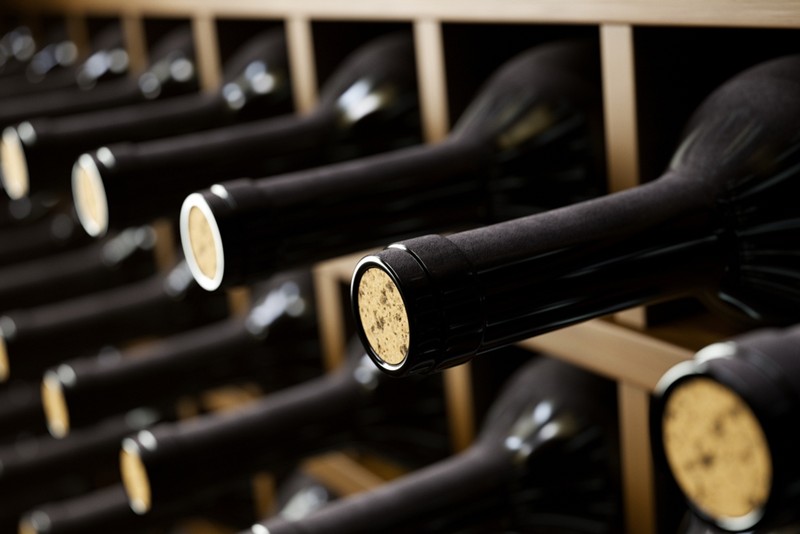
Brazil is preparing to impose a new selective tax on most wines, a move that could raise the cost of imported bottles and reshape pricing for wineries and importers selling into one of Latin America’s largest consumer markets.
Under Medida Provisória 1.399, Brazil set a rate of 8% for the Imposto Seletivo on most wines beginning on February 2, 2027. In some import operations, however, the effective burden could rise to 11.6% because of an adjustment factor built into the calculation for alcoholic beverages. That mechanism is drawing attention from exporters, especially in Italy, which has been expanding sales in Brazil.
The measure applies during a transition to Brazil’s new tax system. In its current form, it is due to remain in force until a law with final rates for 2028 takes effect. The Brazilian government has presented the temporary regime as a way to keep the overall level of taxation stable during the shift.
The part causing the greatest concern for foreign suppliers is the formula used in certain import cases. When the tax base is made up of the customs value plus the import duty, the provisional measure applies an adjustment factor of 1.45 to alcoholic beverages. According to the terms described in the measure, that factor can be combined with other adjustments. In that specific scenario, an 8% rate can rise to 11.6% for imported wine.
That does not mean every imported bottle will face the higher figure. The effect depends on how the tax base is defined in each transaction and on the detailed rules that will govern implementation. But for importers and producers, even the possibility of a higher effective rate matters because it may affect the landed cost of wine, the amount of working capital needed to bring product into Brazil and, potentially, retail prices. For the beverage sector, that could force a review of costs, price lists and margins, especially for wineries that depend on imported sales growth in Brazil.
The measure comes at a time when Brazil has been showing stronger demand for Italian wine. WineMag.it, citing data released by ICE, the Italian Trade Agency, reported that Italy exported 10.8 million liters of wine to Brazil in 2025, worth $49.2 million. The value of those exports rose 13.9% from 2024, while volumes were broadly stable, slipping 0.6%. In the first eight months of 2026, the value of Italian wine exports to Brazil increased another 13.6%, while volumes rose by about 8%, according to ICE. Italy ranked as Brazil’s fifth-largest supplier by value and fourth by volume.
Those figures help explain why the tax change is being watched closely by Italian producers and trade groups. Brazil remains a growth market, but it is also one where logistics, regulation and taxation can quickly affect competitiveness. An increase in the tax burden on imports would not necessarily stop demand, but it could narrow margins or shift more of the final cost onto consumers.
At the same time, a separate trade development may partly offset some pressure on European suppliers. The trade agreement between the European Union and Mercosur entered provisional application on May 1, 2026. The deal provides for the gradual elimination of tariffs on European goods, including wine. Before that, wine could face customs duties of as much as 35%. The schedule for tariff reductions varies by product, and the agreement does not remove Brazilian domestic taxes. That means the reduction in import duties may improve the competitiveness of European wine, while the new selective tax would continue to apply under Brazil’s own internal rules.
The net effect for foreign producers will therefore depend on several moving parts. One is how quickly customs duties fall under the EU-Mercosur agreement. Another is the final interpretation of the selective tax and its adjustment factors. A third is whether importers can absorb some of the extra cost or pass it along through wholesalers, retailers and restaurants.
The provisional measure also includes reductions for small producers based on the volume of alcohol supplied, but how those reductions will work across different categories of operators has yet to be clarified in implementing regulations. That creates another layer of uncertainty for companies trying to model future prices and competition in the Brazilian market.
Italian promotional activity in Brazil has continued despite those questions. In May 2026, ICE brought 32 Italian companies and about 300 labels to the Wine South America trade fair in Bento Gonçalves. In September, the I Love Italian Wines roadshow, organized with Vinitaly, made stops in Brasília, Rio de Janeiro, São Paulo and Curitiba. The Rio event involved 56 companies, including wineries and importers, and showcased about 600 labels. According to ICE, about half of the participating wineries were still looking for an importer, a sign that market opportunities remain open but also that entering Brazil can require a significant commercial effort.
That matters because a growing market does not automatically become an easy one. Producers considering an investment in Brazil must weigh promotional spending and distribution costs against the risk that a higher tax bill could reduce flexibility on shelf prices. For importers, the issue is equally practical: a higher upfront tax cost may tie up more capital before the wine is sold.
The provisional measure is not yet the last word. Brazil’s Congress can still amend it, and its commercial impact will become clearer only after implementing regulations are issued and the definitive 2028 rates are set. Until then, exporters, importers and distributors are likely to keep a close watch on how the selective tax is applied and whether tariff cuts under the EU-Mercosur agreement can offset part of the new burden on imported wine.