France raises 2026 wine harvest forecast to 36.7 million hectoliters
Stronger yields in Languedoc-Roussillon and Charentes lift the estimate, but the crop remains 10% below the recent average
Saturday, November 7, 2026
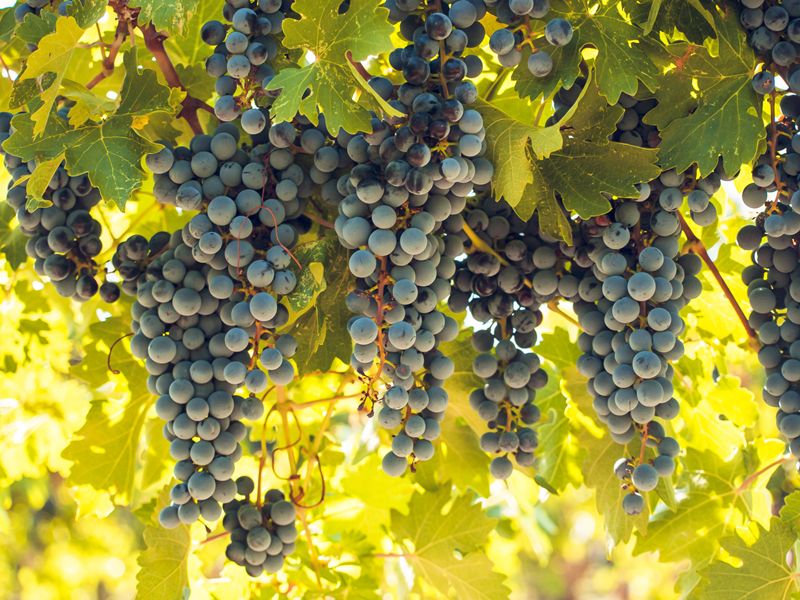
France raised its forecast for the 2026 wine harvest on Friday, November 6, after yields came in better than expected in several major producing regions, though the crop was still set to rank among the weakest in recent history.
France’s farm ministry said in its latest monthly estimate that wine production would reach 36.7 million hectoliters, up from the 34.9 million hectoliters it projected in October. The revised figure would put output slightly above the 2025 harvest, which the ministry described as the poorest of this century, but still 10% below the 2021-2025 average.
The revision points to somewhat better supply than buyers and producers had expected a month earlier, even as the national crop remains historically low. For the beverage industry, that shift could affect purchasing plans, stock management and price expectations, especially because France is one of the world’s largest wine suppliers and regional output is moving in sharply different directions.
The ministry said the higher forecast was mainly driven by stronger-than-expected yields in Languedoc-Roussillon and Charentes, which together account for about half of France’s total wine production. It also cited improved prospects in Champagne and the southeast of the country.
Even with the upward revision, the 2026 harvest remained under pressure from structural and weather-related setbacks. Agreste, the ministry’s statistics service, said production was reduced by a decline in vineyard area linked to a vineyard reduction plan. It added that summer heat and drought also hurt yields, particularly in northern wine regions.
The regional figures showed how uneven the season was across the country.
In Champagne, production was still expected to fall 38% from 2025 after frost, hail, drought and summer heatwaves damaged the crop. The eventual number of bottles released to the market is not determined by the harvest alone. It is set by the Champagne industry, which also takes account of global demand and other market conditions.
Burgundy-Beaujolais was forecast to post a 22% drop from last year, while Loire Valley production was seen down 7%.
By contrast, Languedoc-Roussillon was expected to record a 25% increase from the very weak 2025 harvest. The ministry said late-summer rain helped limit drought damage there. In its October outlook, the ministry had expected only a 2% increase for the region, making it one of the main reasons for the national revision.
Bordeaux was forecast to produce 10% more than in 2025, but output there was still expected to stand 11% below the five-year average. The ministry said vineyard removals were one factor behind the shortfall.
France is the world’s second-largest wine producer after Italy, so changes in its harvest outlook are closely watched by growers, exporters, distributors and retailers. A better harvest than first feared may ease some supply concerns in certain categories, but the low overall level and steep declines in regions such as Champagne suggest that availability and pricing could still vary widely depending on origin and style.
A hectoliter equals 100 liters, or about 133 standard wine bottles. At 36.7 million hectoliters, the French crop would remain well below typical levels despite the November upgrade, underscoring how a modest national recovery can still mask deep losses in some of the country’s most important wine regions.