France Raises 2026 Wine Harvest Estimate to 36.7 Million Hectoliters
Better-than-expected southern yields pushed production 3% above 2025, leaving the crop 10% below the 2021-2025 average
Saturday, November 7, 2026
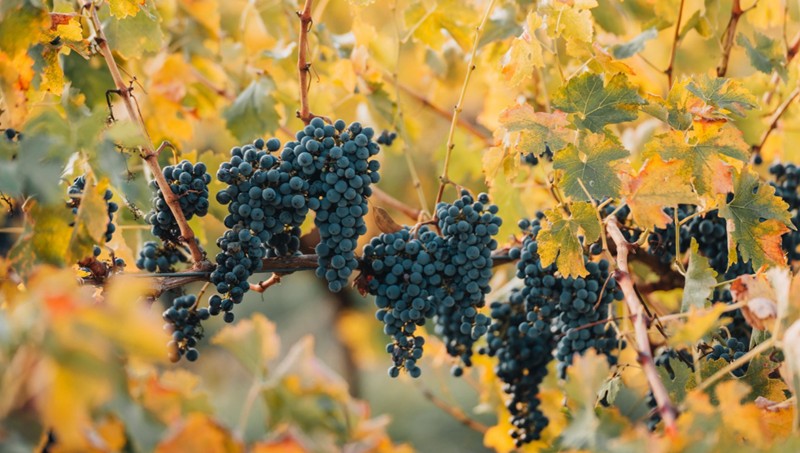
France’s 2026 wine harvest is now expected to finish slightly above 2025 levels after stronger-than-expected output in several southern regions lifted the national total, according to updated estimates released by the Agriculture Ministry on November 1.
The ministry’s statistics office, Agreste, put French wine production at 36.7 million hectoliters, revising its October forecast upward. That would make the 2026 harvest 3% larger than the 2025 crop, which had been the smallest since 1957. Even with the upward revision, production would still stand 10% below the 2021-2025 average, reflecting both difficult weather and a continuing reduction in vineyard area.
The improved estimate was driven mainly by better yields than first expected in Languedoc-Roussillon and Charentes, as well as in Champagne and the Southeast, the ministry said. The new figures point to a sharply uneven harvest, with southern vineyards recovering in many places while several northern regions remained under heavy pressure.
In the north, drought and a series of intense summer heat waves cut deeply into volumes. Production in Burgundy and Beaujolais is estimated to be 22% below 2025 levels. In Burgundy, losses for pinot noir exceed 50%, according to the ministry’s provisional assessment. Alsace is expected to produce 6% less than in 2025, which was already a weak year. Champagne’s estimate was revised upward from the October projection, but the region is still expected to finish 38% below 2025 and 36% below its five-year average.
The picture is different farther south, where many regions are rebounding from poor 2025 harvests. In Languedoc-Roussillon, production is expected to rise by about one-quarter from the very low 2025 level, despite a smaller cultivated area. The region would also come in 6% above its five-year average. In Bordeaux, output is expected to increase 10% from 2025, while the Southwest is projected to gain 15%. The Southeast is expected to post a 7% increase, although the ministry said conditions there also varied widely within the region.
The better southern performance follows three years of severe drought across much of the southern half of France. This year, growers benefited from late-summer rainfall and from water reserves built up during heavy winter and spring rains. Those conditions appear to have helped vines withstand the summer better than many had feared when early forecasts pointed to the risk of another historically weak national harvest.
Growers and industry officials have also pointed to changes in vineyard management that have helped reduce heat stress. In October, Languedoc winemaker Gérard Bertrand told Agence France-Presse that winter water reserves had been crucial and that, while summer was hot, his area did not face the extreme temperatures above 40 degrees Celsius, or 104 degrees Fahrenheit, that can cause serious damage to vines. Southern producers have also worked to preserve leaf cover to shield grapes from direct sun, a practice that can limit damage during hot spells.
Jérôme Despey, a winegrower in Hérault and head of the wine council at FranceAgriMer, said in late October that southern regions have increasingly adjusted cultivation techniques in response to climate stress. He cited improved management of ground cover, irrigation and other methods designed to protect vines from high heat. His comments underlined a broader shift in French viticulture, where adaptation is becoming a central issue as weather extremes become more frequent.
The 2026 harvest figures also come against a wider downturn in the French wine sector. Beyond the immediate effects of climate, the industry is dealing with weaker consumer purchasing power, softer demand for red wine and trade tensions involving major export markets including China and the United States. France, now the world’s second-largest wine producer behind Italy, has seen its overall wine output trend lower over recent years.
Part of that decline reflects lower yields from repeated weather shocks. Part of it comes from deliberate cuts in planted area as growers and policymakers try to address oversupply and weak prices in some parts of the market. The French government has financed three vine-removal programs in recent years. The latest program, which is still under way, covers 27,000 hectares and is expected to reduce the country’s vineyard area to about 740,000 hectares, down from nearly 800,000 hectares five years ago.