Study Says U.K. Hospitality VAT Cut Could Add £6.28 Billion a Year in Spending
Dojo based the estimate on Irish spending after Dublin lowered the tax rate, bolstering industry pressure before the Autumn Budget
Wednesday, October 28, 2026
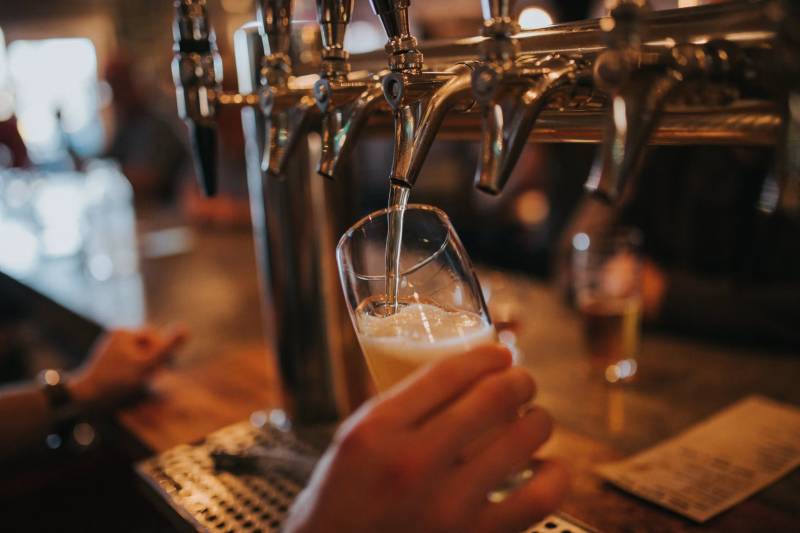
A cut to value-added tax for hospitality businesses could add £6.28 billion a year in consumer spending to the UK sector, according to a study released Wednesday by payment provider Dojo as the industry pushes for relief in the government's Autumn Budget.
The company said its estimate was based on spending patterns in the Republic of Ireland after Dublin reduced VAT on July 1 from 13.5% to 9% for restaurant and catering services, hot takeaway food, hot tea and coffee, and hairdressing. Dojo compared spending at qualifying businesses in Ireland in the three months before the change with the three months after it took effect, then measured that against the same period in the UK, where no similar tax cut was introduced.
Using that comparison, Dojo estimated that average monthly spending per customer in the UK hospitality sector could rise from £57.37 to £59.85, an increase of £2.48 per person. It said that would amount to £147.7 million in extra monthly spending for UK hospitality businesses using Dojo payment machines and, when scaled to the wider market using Office for National Statistics business data, about £6.28 billion in additional annual gross revenue across the sector.
The analysis comes as hospitality groups continue to argue that pubs, restaurants, cafes and takeout operators are under pressure from higher energy, food and labor costs and weaker household spending. Supporters of a VAT reduction say a lower rate would either allow businesses to cut prices and attract more customers or keep prices steady and retain more revenue to cover costs.
Dojo said spending per customer at qualifying Irish hospitality businesses rose 6.17% in the three months after the VAT cut. Over the same period, the company said, spending per customer in the UK rose 1.85%. That meant Irish spending grew more than three times as fast as spending in the UK during the summer, according to the study.
The company also said the Irish increase was above the country's recent seasonal pattern. Between July and September 2025, spending growth at comparable Irish businesses was 3.9%, the report said. Dojo argued that the stronger 2026 increase suggests the VAT change may have helped lift spending beyond what would normally be expected during the summer months. It said UK hospitality spending over the same period showed no meaningful year-over-year increase.
The report stops short of saying the tax cut alone caused the rise. In its methodology note, Dojo said the projection represents a hypothetical increase in spending rather than a guaranteed outcome and that the analysis cannot prove that VAT was the only reason for stronger growth in Ireland. It said other factors, including weather and major events such as the FIFA World Cup, may also have influenced customer behavior.
That caveat is important because VAT reductions do not automatically lead to lower prices for diners or higher sales volumes. Businesses can choose to pass on some of the tax saving to customers, keep prices where they are and use the difference to support margins, or do a combination of both. The report said the Irish data showed customers made more purchases and spent more per person after the change, which Dojo said supports the case for a similar move in the UK.
Dojo also pointed to separate data from PwC showing hospitality insolvencies in the Republic of Ireland were down 23%. The payments company cited that as a sign of improving conditions after the VAT change, although the PwC figures do not by themselves show that the tax cut was the sole cause of the decline.
Charlie Ashworth, Dojo's head of research and insights, said the company wanted to show what a VAT cut could mean for a sector that employs people across the country. He said the industry had been hit by rising costs, lower disposable income among consumers and policy decisions that have added to financial pressure on operators. Dojo said it is backing the hospitality campaign calling for a lower VAT rate.
The study relied on anonymized customer spending data from businesses in Dojo's network in both the UK and Ireland. It examined average spending per customer and transaction frequency between April and September 2026, using the three months before the Irish VAT change as a baseline and the three months after the cut as the comparison period. The difference between Irish and UK growth rates was then used to estimate what might happen if the UK adopted a similar policy.
Industry advocates have argued for months that tax relief is needed to prevent more business failures and job losses. They say hospitality has been squeezed by elevated costs and cautious consumer spending even as the sector remains a major employer in towns and cities across the UK. The government has not indicated before the Budget whether it plans to change the VAT rate for hospitality.
The Irish move has become a focal point in that debate because it offers a recent example of a neighboring market lowering the rate for parts of the service economy. Whether the UK would see the same results is uncertain, but Dojo's report is likely to add to pressure from hospitality operators seeking support as ministers prepare to set out tax and spending plans.