Campari cut its 2026 tariff-cost estimate to €20 million
The spirits maker kept its sales forecast after 1.5% organic growth through September, with Germany still weighing on results
Friday, October 23, 2026
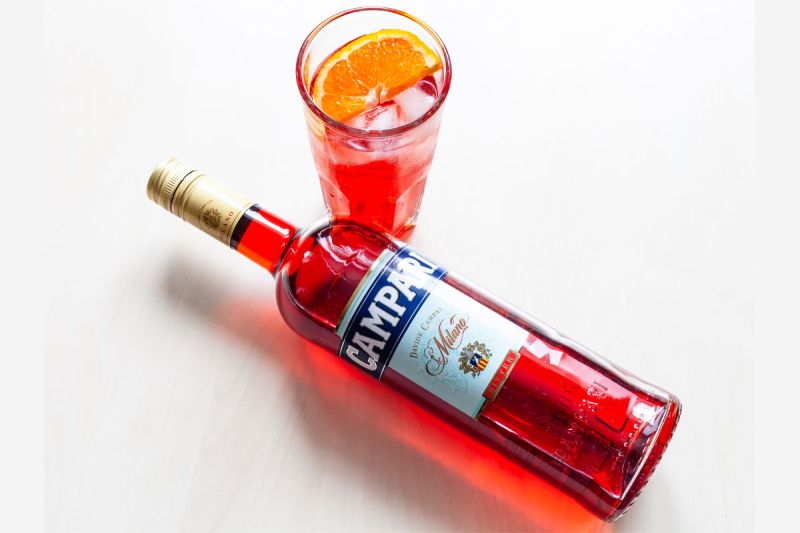
Campari Group said its business remained resilient in the first nine months of 2026, helped by steady demand in key markets and lower-than-expected tariff costs, even as Germany weighed on results because of weaker consumer spending and a retail delisting dispute.
In its latest interim report, the Italian spirits maker said organic sales rose 1.5% through the end of September. The company said growth was supported by its core markets and by continued demand for its main aperitif brands, a category that has long been one of its most dependable sources of expansion.
Management kept its full-year forecast for about 3% organic top-line growth. The company also said tariff-related pressure should be lighter than it had first expected. It now sees a hit of about €20 million, down from an earlier estimate of €30 million, giving some relief to operating profit. At the same time, Campari said reported results are still being held back by negative currency effects, mainly linked to the U.S. dollar, and by planned portfolio changes, including the sale of brands such as Cinzano and Averna.
The clearest area of strain in the report was Germany, where economic weakness and retailer-driven disruptions left the market lagging behind the rest of Europe. Campari said Europe posted 1.9% organic growth in the first half of the year, but that figure rose to 2.9% when Germany was excluded, showing how much the country reduced the region’s overall performance.
The company tied much of that gap to continued delistings by a major retail partner, alongside what it described as cautious consumer demand. Earlier in 2026, German supermarket group Edeka removed products from the spirits maker, including Aperol, from its assortment after a dispute over pricing and trading terms at an international level. Campari said the standoff and its firm pricing approach cut about €8 million from business in the first nine months of the year. For all of 2026, it expects the total effect to reach roughly €11 million.
The dispute has made Germany a close point of focus for investors and the industry because the country is one of Europe’s largest food retail markets and an important outlet for imported spirits and aperitifs. Delistings by a retailer of Edeka’s size can quickly affect shelf visibility, sales volumes and brand momentum, especially in grocery channels where repeat purchases are important.
Campari’s comments also reflect a broader problem in Germany this year. Consumer sentiment has remained fragile as households face uneven economic conditions and continue to watch spending. For beverage companies, that can mean pressure not only on volumes but also on the ability to pass through price increases, particularly in supermarkets where retailers have pushed back against higher supplier costs.
Against that backdrop, Campari pointed to some areas of strength in its German business. It said Crodino delivered a strong performance, suggesting that non-alcoholic and lower-alcohol occasions remain an area of opportunity. The company also highlighted the early rollout of newer formats aimed at convenience and hospitality channels, including Campari Spritz ready to serve and Aperol on Tap.
Those products are part of a broader effort to build sales outside traditional off-premise retail, where the company has faced the most visible disruption in Germany. Campari said it remains focused on the on-premise market, meaning bars, restaurants and other out-of-home venues, as it works to support recovery across the DACH region, which includes Germany, Austria and Switzerland.
The company’s update suggests that demand for its leading brands remains intact in many parts of its business, but that regional execution and market-specific conditions are playing a larger role in short-term results. The contrast between Germany and the rest of Europe was one of the most important signals in the report, particularly because it showed that the group’s underlying regional trend would have looked stronger without the German setback.
Campari did not change its broader growth target, a sign that management believes stronger performances in other markets and lower tariff costs can help offset the pressure from Germany, currency movements and portfolio adjustments. The reduced tariff estimate is especially important because it gives the company more room to protect margins at a time when several consumer goods groups continue to deal with volatile trade conditions and uneven demand patterns.
Still, the interim figures show that Germany is likely to remain a drag through the rest of the year unless retail relations improve or gains in hospitality and innovation channels accelerate. For now, Campari is relying on its core aperitif portfolio, new product formats and selective strength in categories such as Crodino while it navigates a market that has become one of the toughest parts of its European business in 2026.