California wineries welcome a harvest that may be 50% smaller in Napa Valley
After years of weak demand and full warehouses, the short crop could curb costs and slow inventory growth across the industry
Monday, October 19, 2026
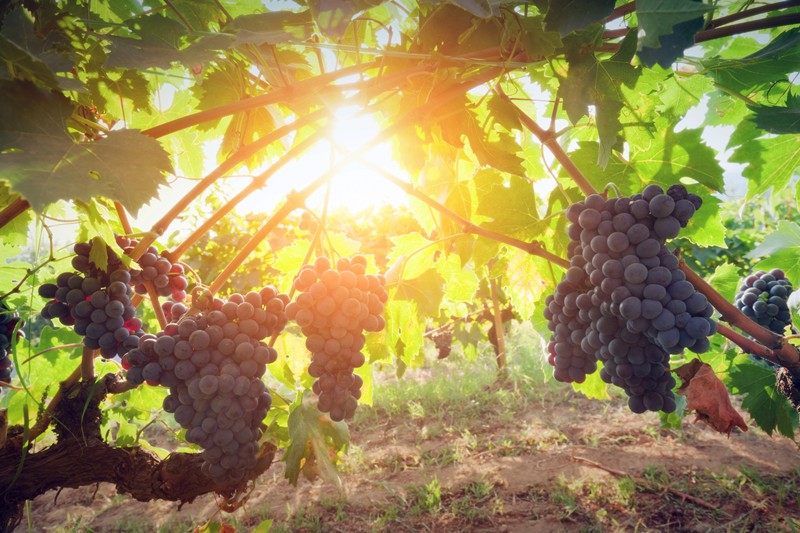
California wineries are getting an unusual kind of relief this fall: a much smaller grape harvest.
After several years of weak demand, full warehouses and falling sales, many producers in Napa, Sonoma and other wine regions say a light 2026 crop may help them avoid adding more wine to a market that is already oversupplied. The state produces about 80% of U.S. wine, so the size of the California harvest matters well beyond the region.
At Honig Vineyard & Winery in Napa Valley, company president Michael Honig said the lower volume has been welcome, calling it “a gift” in comments reported by The Wall Street Journal. For wineries that still have inventory from larger 2023 and 2024 harvests, fewer grapes this year can mean lower spending on labor, fermentation tanks and barrels, while also reducing the risk of tying up more cash in wine that may be slow to sell.
The smaller harvest appears to have been shaped months ago by weather. A record March heat wave pushed vines to bud earlier than usual across California. Rain and wind during flowering then hurt pollination, causing flowers and young fruit to drop. In Sonoma County, the harvest started so early that Karissa Kruse, chief executive of Sonoma County Winegrowers, described it as the earliest in 30 to 40 years. Her group estimates this year’s volume will be 35% to 40% below the historical average.
In Napa Valley, the decline could be even steeper. The source report says the 2026 harvest there may be nearly 50% smaller than the 2025 crop. Updates published by the Napa Valley Register have shown sharp reductions at individual properties. Antinori, in Atlas Peak, reported yields at least 50% lower. Chateau Montelena said its Sauvignon Blanc crop fell by as much as half compared with its usual average. At Vindicta Estate, the total weight harvested was 36% of last year’s level.
Even with the lower tonnage, growers say fruit quality has been solid. Ashley Egelhoff, winemaker at Honig, said she remains enthusiastic about the vintage, suggesting that a small crop does not necessarily mean a poor one.
The weak harvest comes after an industry pullback that had already started in 2025. Data from the California Association of Winegrape Growers show that about 15,400 hectares, or roughly 38,000 acres, of vines were removed across the state last year. That amounted to 7% of California’s planted vineyard area. The same data show that about 450,000 tons of grapes were left unharvested.
Some growers went as far as burning vines, according to reporting by The New York Times, as wineries and farmers tried to cut supply in a market where wine sales had fallen to their lowest level in more than two decades. In Napa County, the county agricultural report recorded a loss of 1,226 hectares, or about 3,030 acres, of producing vineyards. It also showed a $62.3 million drop in grape value, with Cabernet Sauvignon accounting for nearly three-quarters of that decline.
The downturn has reached the land market as well. McManis Family Vineyards put a property of about 1,416 hectares, or 3,500 acres, up for sale for $22.5 million, and the family also split other vineyard holdings into smaller parcels.
Trade problems have added more pressure. The Wine Institute has said the removal of American wines from Canadian shelves cost the industry $357 million in 2025. That loss has continued to grow this year. Canada has long been an important export market for U.S. wine, so the disruption has made it harder for California producers to move inventory abroad while domestic demand is weakening.
Inside the United States, wineries are also dealing with a shift in consumer habits. Younger adults are drinking less wine than previous generations, according to industry executives and market reports. Health concerns, price sensitivity and changing tastes are all part of the explanation. When younger consumers choose alcohol, they often favor spirits or beer instead.
That trend has shown up in direct-to-consumer sales, an important channel for many wineries. Data from Sovos ShipCompliant show that 2025 brought the largest annual volume decline ever recorded in direct wine shipments to consumers. California alone lost $142 million in that channel, accounting for 62% of the industry’s total drop in value.
Tasting rooms, another core source of revenue for wineries in Napa and Sonoma, have also seen weaker traffic for several years. In Silicon Valley Bank’s annual report on the U.S. wine industry, one producer said relying on tasting room visits no longer works the way it once did. For many wineries, that change matters because on-site sales often carry higher margins than wholesale distribution.
Against that backdrop, a smaller crop changes the math. With less fruit coming in, wineries can scale back purchases from growers, reduce production costs and slow the buildup of inventory that has weighed on balance sheets. That may offer short-term relief to producers, but it can also put more pressure on independent growers who depend on grape contracts and already face fewer buyers.
The supply adjustment could ripple across the broader beverage business. California remains one of the world’s largest and most influential wine markets, so changes in harvest size can affect grape buying, bulk wine stocks, pricing and competition among wine, beer and spirits. If wineries produce less wine and hold firmer on prices, retailers and distributors may shift attention to other categories. If the smaller crop helps clear excess inventories, it could eventually stabilize parts of the market that have been under heavy discount pressure.
For now, many producers appear to see the 2026 harvest less as a setback than as a forced correction after years of imbalance. The state’s vineyards have produced more wine than the market was ready to absorb, and the cost of carrying that excess has grown as sales slowed at home and abroad. A small crop does not solve those problems on its own, but for wineries still working through full cellars and weak demand, it may buy time in a difficult market.