French vine nurseries seek €2 a plant after output drops to 132 million
Their federation says the current €1.60 average no longer covers rising costs, weaker sales and a growing stock of unsold vines
Tuesday, October 20, 2026
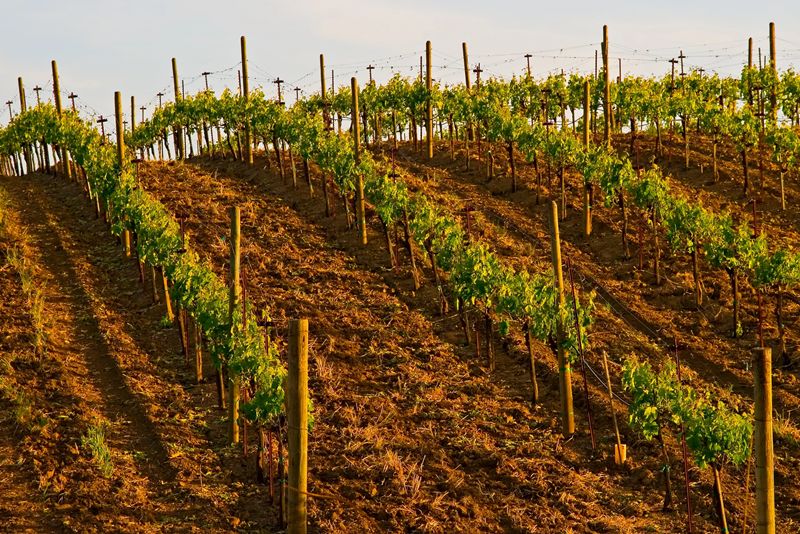
French grapevine nurseries are pressing for a higher average price for vine plants and more formal contracts with winegrowers as the sector struggles with falling volumes, rising costs, and a growing stock of unsold plants.
The French Federation of Vine Nurseries, known as the FFPV, said the nursery business remains under strain from the broader crisis in France’s wine sector. Speaking on the sidelines of the federation’s congress in Vogüé, in the Ardèche region, in mid-October, federation officials said the number of grafted vine plants put into production has fallen sharply, from more than 200 million in 2023 to 132 million in 2026.
That drop, combined with lower sales and higher operating costs, is pushing many nurseries to seek a revaluation of prices. The average price for a vine plant was €1.60 in the last season, according to the federation, but that level no longer allows growers to absorb lower volumes, more unsold inventory, and continued increases in expenses. Giovanni Varelli, vice president of the FFPV and president of the Vitipep’s brand, said the sector will need to move to €2 per vine plant in order to remain viable.
Varelli argued that the increase would have a limited effect for vineyard operators when spread over the life of a planting. He said that for a vineyard planting amortized over 20 years, the difference would amount to about €0.02 per plant per year for the winegrower. The federation’s position is that nurseries can no longer survive on current prices if they are expected to maintain quality, invest in production, and carry the cost of unsold stock.
FFPV president Christophe Raucaz said French nurseries operate at a quality level recognized around the world and also provide technical advice to growers. He said better compensation for both the work of nurseries and the value of the plants themselves is needed if the industry is to prepare for the future and help shape the next generation of French vineyards. The issue matters beyond the nursery business itself because vine plants are the starting point for vineyard renewal. Any sustained increase in plant prices could lift replanting costs for wine producers and could affect how quickly estates and cooperatives replace vines or shift to varieties better suited to changing climate and market conditions.
The federation is also pushing for stronger contractual ties with winegrowers. At the congress, it distributed a practical guide on commercial contracting and urged its members to build what Raucaz called a healthier, safer, and more durable relationship with their customers. He said the subject of contracts between nurseries and winegrowers has been central in recent discussions with France’s Agriculture Ministry and warned that future state support for the sector will depend on whether the industry responds to the ministry’s call for a more structured commercial framework.
So far, the federation has not secured the €30 million it has requested from the state to clear unsold plant stocks accumulated over the last two seasons. Those inventories have become a major burden for producers already facing weaker demand. The federation has also been working to strengthen its ties with the wider wine sector in hopes of building a larger planning tool with growers that would allow plant needs to be forecast more accurately and reduce the risk of future imbalances between supply and demand.
Representatives from major winegrower groups signaled support for the nursery sector at the congress. Ludovic Walbaum, secretary general of the Independent Winegrowers federation, said nursery expertise is essential and that a quality French vineyard with guarantees comes at a cost. Cyril Jaquin, representing the French wine cooperatives, said nurseries play a key role in renewing grape varieties and helping the industry respond to viticulture’s challenges.
The federation has also moved to increase its political weight. In March, the FFPV joined the powerful National Federation of Agricultural Holders’ Unions, or FNSEA, saying it wanted better representation and fuller integration into the wine value chain. The grapevine nursery sector now counts fewer than 400 plant producers in France, and federation leaders say closer alignment with the country’s main farm union should improve access to support measures available to the broader wine industry.
Separately, France’s Agriculture Ministry has opened a public consultation through Oct. 30 on a draft order that would replace the 2021 rules on flavescence dorée, a serious grapevine disease, and its insect vector. The draft includes updated containment measures under European Union rules, recognition of disease-free zones, local adjustments for vine removal thresholds and treatment schedules, and requirements for the circulation of propagation material that align with EU law. The new order is expected to take effect for the 2027 campaign.