Lambrusco output in Modena and Reggio Emilia falls to a 10-year low
Cooperatives collected 1.393 million quintals of Lambrusco grapes and reported historic sugar levels even as prices remain 20% to 30% below 2021
Tuesday, October 20, 2026
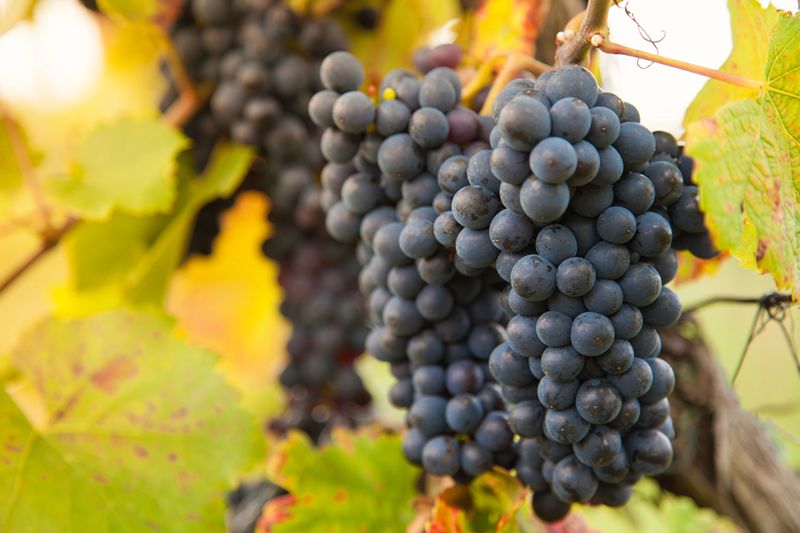
The 2026 grape harvest in the Lambrusco-producing area between Modena and Reggio Emilia ended a few days ago after starting earlier than ever, and local cooperatives say it is likely to be remembered as one of the best vintages of the past decade for quality, even as Lambrusco volumes fell to their lowest level in 10 years.
Confcooperative Terre d’Emilia, which represents 13 cooperatives operating 24 facilities in the two provinces, said the cooperatives collected 2.612 million quintals of grapes, or about 261,200 metric tons. That was 10.9% more than in 2025, one of the weakest harvests of the decade, but 217,000 quintals below 2024 and broadly in line with the average production of the last 10 years.
Within that total, Lambrusco grapes accounted for 54% of the harvest and posted a slight decline. Confcooperative said Lambrusco output reached 1.393 million quintals, equal to about 139,300 metric tons, the lowest level recorded in the past decade for the cooperatives in the Reggio-Modena area. Ancellotta, which made up 38% of total output, increased to 992,000 quintals after recovering from 2025 levels, although it still remained more than 40,000 quintals below 2024. White grapes rose 16.9%, but still represented only 8% of the overall harvest, at just over 220,000 quintals.
The group said quality was the main positive feature of the season. According to Alberto Lasagni, Confcooperative Terre d’Emilia’s representative for agricultural and food cooperatives, the grapes arrived healthy and sugar levels reached historic highs, with an average value of 17.59. He said the grapes from Reggio Emilia and Modena also showed a good balance across their main quality components, creating expectations for strong wines from the 2026 vintage.
That combination of lower Lambrusco supply and strong grape quality matters beyond the vineyard. The Reggio-Modena cooperative system is a major center of Italian sparkling and semi-sparkling red wine production, so the harvest offers an early signal for wine buyers, bottlers, distributors, and retailers that are planning purchasing volumes, production schedules, and pricing in the beverage market. Lower raw material availability in an important cooperative district could affect supply decisions and margins if demand improves.
Even with the better harvest conditions, producers are still dealing with weaker returns. Lasagni said the market has gradually eroded profitability in recent years, with prices in the sector falling by 20% to 30% compared with 2021. He said the 2026 vintage now faces a market test after several years in which growers have seen income shrink.
Confcooperative said broader production trends may provide some support. Lasagni pointed to expected declines in wine production of 6.8% in Italy and 2% in Europe this year, which he described as potentially favorable conditions for Lambrusco and for “rossissimo,” a derivative of Ancellotta that is widely used in winemaking and also by the cosmetics and pharmaceutical industries. Still, he said those market conditions are being offset in part by misinformation and hostile campaigns that, in his view, unfairly target products that can be part of a balanced diet when consumed responsibly.
The organization said the sector’s problems go beyond a single vintage and require structural action. According to Confcooperative, cooperative wineries account for more than 90% of wine production in the Reggio and Modena area. The group said those wineries have already made major investments to adapt production processes and commercial strategies to shifts in consumer behavior, and in many cases are still carrying those costs.
Lasagni said that effort now needs more explicit public backing, especially at a time when companies have fewer internal resources to recover from the market. He called for support for vineyard renewal, but warned that replanting measures should not create imbalances in specific categories of product. He also said the sector needs policies that keep supply and demand in balance, which he described as the key condition for giving producers enough visibility to keep investing.
Confcooperative said it is pressing institutions to adopt short-term support measures for what it called a core part of the agri-food system and an important contributor to exports. For now, the message from the 2026 harvest in the Reggio-Modena wine belt is mixed: one of the strongest quality results in years, but with Lambrusco volumes at a 10-year low and producer returns still under pressure.