Argentina’s wine exports rose 19.3% in October on a surge in bulk shipments
Volume jumped 28%, outpacing revenue growth after average export prices fell to USD 3.12 per liter
Wednesday, November 11, 2026

Views › 493
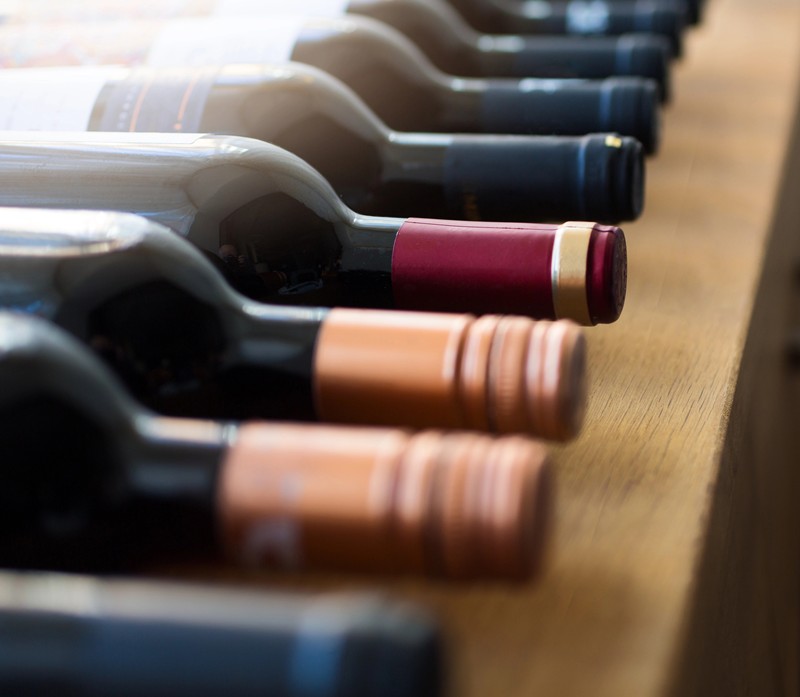
Argentina’s wine exports posted a sharp rebound in October, with both shipments and export revenue rising from a year earlier, but the improvement was not enough to erase weaker pricing over the first 10 months of the year.
Provisional figures released by Argentina’s National Viticulture Institute, or INV, on Tuesday, November 10, showed wine exports reached USD 68.1 million in October, up 19.3% from October 2025. Export volume climbed even faster, rising 28% to 21.8 million liters from 17.1 million liters a year earlier.
The gap between volume growth and revenue growth reflected a drop in prices. The average export price fell to USD 3.12 per liter in October from USD 3.34 in October 2025, a decline of 6.8%. The INV reports the figures on an FOB basis, meaning they reflect the value at the port of departure and exclude freight and insurance.
The monthly increase was uneven across product categories. Packaged wine, which is shipped bottled or otherwise ready for the consumer market, rose 10.9% in volume to 14.7 million liters and 16.1% in value to USD 62.7 million. It remained the industry’s main source of export income, accounting for about two-thirds of exported volume but 92% of October revenue. Its average price was USD 4.26 per liter, up 4.7% from a year earlier.
Bulk wine grew much faster in physical terms. Exports of bulk wine jumped 87.8% to 7.1 million liters, while revenue rose 76.2% to USD 5.3 million. Based on the published totals, the average price was about USD 0.75 per liter, less than one-fifth of the packaged-wine price and 6.2% below October 2025. The increase was driven in large part by white wines, with bulk white-wine shipments rising from 364,000 liters to 1.3 million liters.
The broader picture from January through October was less favorable. Argentine wineries exported 169.2 million liters of wine in the first 10 months of the year, a 5.4% increase from the same period in 2025. But export revenue fell 2.6% to USD 540.4 million. The average price for all wine exports dropped 7.6% to USD 3.19 per liter, down from USD 3.46 a year earlier.
That means Argentina sold more wine abroad but earned less money for each liter. For the beverage sector, and especially for wineries, the shift toward lower-priced bulk shipments suggests stronger volumes are not producing the same improvement in export income and could put pressure on margins.
The same split between packaged and bulk wine was visible in the year-to-date data. Packaged wine exports fell 2.1% in volume to 121.6 million liters and 3.3% in value to USD 502.8 million. Even with that decline, they still generated 93% of total wine export revenue. The average price for packaged wine slipped 1.3% to USD 4.14 per liter.
Bulk wine moved in the opposite direction. January-through-October shipments increased 30.6% to 47.6 million liters, but revenue rose only 7.4% to USD 37.6 million because the average price dropped 17.8% to USD 0.79 per liter.
According to the INV data, that decline was tied to the composition of what was sold. Much of the increase came from non-varietal bulk wine, meaning wine sold without naming a grape variety on the label. Exports in that segment rose 196.9% in volume, led by white wines, and were priced at only USD 0.34 per liter, down 30.7% from a year earlier. Varietal bulk wine averaged USD 0.93 per liter.
The year-to-date result was also shaped by a weak midyear stretch. Wine export revenue fell 43.8% in July and 27.3% in August, leaving the industry about USD 44 million below the level recorded in the same two months of 2025. September brought some relief, with a 17.8% increase in export value, followed by October’s 19.3% gain, but the recovery did not fully offset the earlier losses.
By destination, the United Kingdom was the largest market in October by volume, taking 5.1 million liters, nearly one-quarter of the monthly total, for USD 9.7 million. Most of that volume, 3.7 million liters, was bulk wine.
The United States led in export value. Argentine wineries shipped 4.5 million liters there in October, almost all of it packaged wine, for USD 18.4 million, equal to 27% of the month’s total wine export revenue. Brazil ranked third, with 2.5 million liters and USD 9.4 million, all in packaged wine. Canada followed with 1.6 million liters and USD 5 million.
The INV data also showed mixed results for concentrated grape must, a grape-juice product used as a sweetener in food and beverages. Exports totaled 8,960 metric tons in October, up 4.5% from a year earlier, while revenue was essentially unchanged at USD 12.1 million.
For January through October, concentrated must exports reached 81,355 tons, up 18.2%, and generated USD 111.6 million, an increase of 8.1%. Because volume grew faster than revenue, the average price fell 8.5% to USD 1,372 per ton. Including sulfited must, total must exports reached USD 117.6 million, up 6.8% from the same period in 2025.
Taken together, wine and must exports brought in USD 658 million in the first 10 months of the year, down 1% from a year earlier, according to the INV’s provisional figures.