Italian retail wine prices fell 2.6% in October despite 5.4% inflation
The 8-point gap deepened pressure on producers facing 8.9% higher production costs and softer household demand
Friday, November 6, 2026
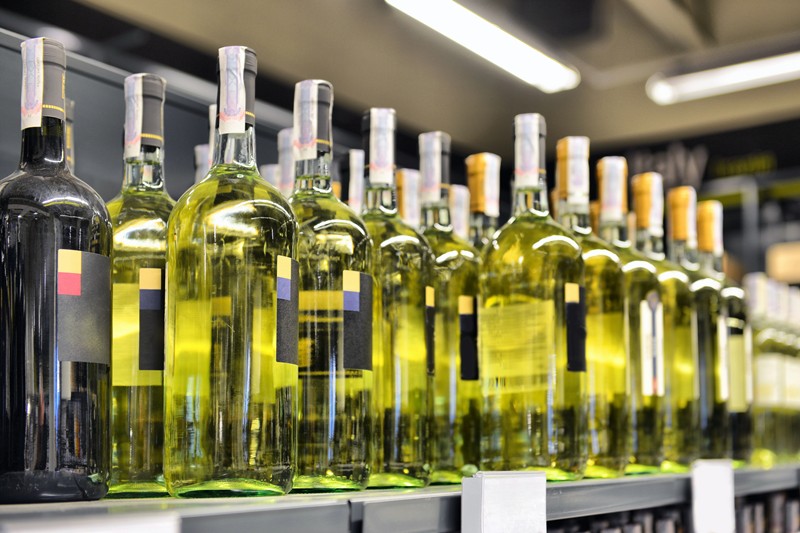
Retail wine prices in Italy fell again in October even as the country’s overall cost of living kept rising, widening a gap that the wine industry says is putting more pressure on producers already facing higher costs.
In a statement on Thursday, November 5, Unione Italiana Vini, or UIV, said consumer wine prices in October were 2.6% lower than a year earlier, citing Istat data. Over the same period, Italy’s general consumer price index rose 5.4%, based on Istat’s October inflation estimate published on October 30. That created an 8-point spread between falling wine prices and rising inflation. Istat described the October inflation figure as provisional.
The October data followed a similar pattern in September. UIV said retail wine prices that month were down 2.3% from a year earlier, while general inflation was 4.2%. That meant a 6.5-point gap. From September to October, the annual drop in wine prices deepened by 0.3 points, and the spread against headline inflation widened by 1.5 points.
For the industry, the decline in shelf prices has come at the same time as higher costs earlier in the supply chain. UIV, citing Ismea, said wine production costs in September were 8.9% higher than a year earlier. The association said that combination is hurting the sector on two fronts: consumers under inflation pressure are cutting back on discretionary purchases such as wine, while wineries and other producers are dealing with higher energy and operating costs without a matching rise in selling prices.
UIV is a national trade group that says it represents more than 900 companies and more than 85% of Italian wine export revenue. It used the latest figures to renew requests for government support, especially on energy and export promotion.
The group’s president, Lamberto Frescobaldi, said measures in Italy’s draft budget law aimed at helping companies with energy costs and supporting investment in energy efficiency should be implemented quickly. He also called for additional public funding to promote Italian wine in foreign markets, arguing that exporters are dealing with tariffs, weaker consumption and tougher international competition.
UIV also pointed to signs of weaker household demand. It cited a recent Noto Sondaggi survey for Il Sole 24 Ore that found 35% of Italians identified wine as one of the grocery items they were cutting. The association said that trend helps explain why producers have struggled to pass through higher costs to consumers even as inflation has remained elevated.
The figures cited by UIV should not be read as a direct measure of profit lost by wineries. The September production-cost data and the October retail price data refer to different months and different stages of the market. Production costs reflect what businesses face in making and bringing wine to market, while the retail price index reflects what consumers pay in stores. Even so, the data show a clear divergence: for a second straight month, wine became cheaper for consumers compared with a year earlier while the broader price level in Italy moved up.
That divergence gives the industry an economic basis for its call for support. UIV said wine companies remain exposed to energy price increases and to weaker domestic demand, and it argued that stronger government backing for energy relief and overseas promotion is needed as Italian producers try to defend their position in export markets against a growing number of competing wine-producing countries.