South African Breweries says rising food and fuel costs are cutting beer purchases among poorer consumers
Premium brands including Corona and Stella Artois grew more than 30%, cushioning pressure on mainstream sales
Tuesday, November 3, 2026
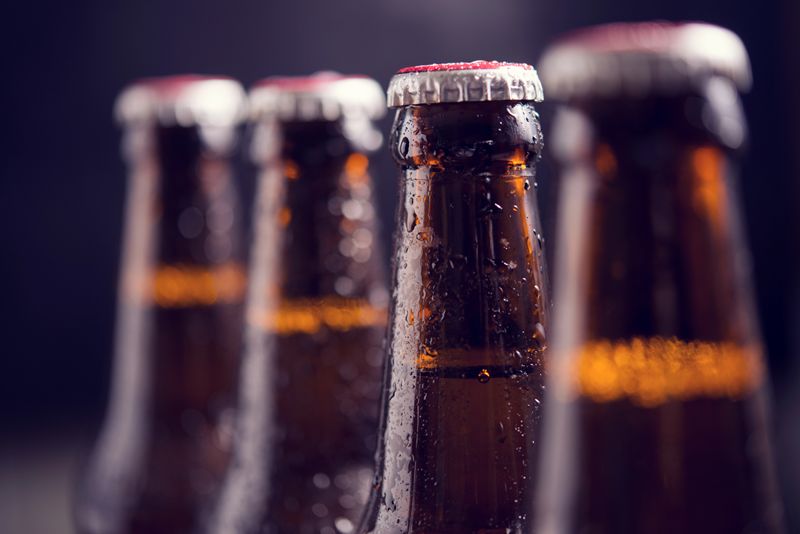
South African Breweries, the country’s largest brewer, said on Monday, November 2, that rising food and fuel costs are forcing many lower-income consumers to cut back on beer purchases, adding pressure to sales even as demand for some higher-priced brands remains strong.
Richard Rivett-Carnac, SAB’s chief executive, said household budgets are being squeezed by spending on essentials such as transport and food, leaving less money for discretionary items. “The lower-income consumer is under enormous pressure in the country,” he said.
His comments came after parent company AB InBev reported third-quarter results showing that beer volume growth in South Africa lagged the broader industry, even though the group posted its highest third-quarter volumes in the country. The figures point to a market where overall demand is still present, but where spending is becoming more uneven across consumer groups and price points.
Rivett-Carnac said SAB’s broader performance was supported by sharp gains in premium beer. Volumes for its premium and superpremium brands, including Corona and Stella Artois, rose by more than 30%, he said. SAB’s Beyond Beer range, which includes Flying Fish and Brutal Fruit, also grew at a rate in the low 30s.
He said that growth was not being driven simply by existing drinkers trading up from cheaper beer. Instead, he said, consumers were actively choosing those brands. SAB has continued to invest in keeping Corona and Stella Artois visible to shoppers looking for an occasional premium purchase, and the company expects premium beer to keep growing faster than the broader beer market over the long term.
The split between pressure on mainstream beer demand and growth in premium labels could matter well beyond SAB’s latest quarter. For brewers and other drinks companies, it suggests that weaker spending among lower-income consumers may weigh on mass-market volumes even while higher-margin brands continue to expand. That kind of divide can influence pricing decisions, profit mix and the way companies allocate marketing and production across their portfolios.
At the same time, SAB said cost pressures are also building inside the business. Rivett-Carnac said higher fuel prices are increasing the cost of moving products around the country. Electricity and water prices have also risen over several years, adding to operating expenses at a time when many consumers are already strained.
He said the company is trying to contain those pressures without passing too many price increases on to shoppers. That balancing act is especially important in a market where price sensitivity is high and where additional increases could push more consumers to reduce purchases further.
SAB also linked prospects for broader beer market growth to the state of the wider economy. Rivett-Carnac said population growth could support demand over time, but he added that stronger economic growth needs to translate into more jobs and higher incomes if consumers are to have more money available for beer and other nonessential spending.
That economic backdrop is now shaping SAB’s planning for the year-end holiday season, which Rivett-Carnac described as the busiest period for the industry. The brewer is preparing stock and placing products in the parts of the country where it expects the strongest festive demand, aiming to avoid shortages during a peak trading window that is critical for sales.
Even so, fuel remains a central concern for both consumers and the company. Rivett-Carnac said a drop in oil prices that leads to lower gasoline and diesel costs would ease pressure across the economy, helping households as well as businesses that rely on transport and distribution. Until then, he said, SAB must keep managing its own costs carefully while trying to avoid adding to the burden on consumers.
The picture emerging from South Africa’s beer market is one of mixed demand rather than a uniform slowdown. Budget pressure is limiting purchases among many drinkers, especially in lower-income households, while premium beer and adjacent categories continue to post rapid gains. For the beverage industry, that may reinforce the value of keeping a broad range of brands and price tiers, particularly in markets where inflation is changing how and where consumers choose to spend.