Study Finds French Vineyard Trials Cut Pesticide Use by 42.2% Without Major Yield Losses
Across 19 growers in southwestern France, most lower-spray systems preserved production under real farm conditions, except the biocontrol-only model
Thursday, October 29, 2026
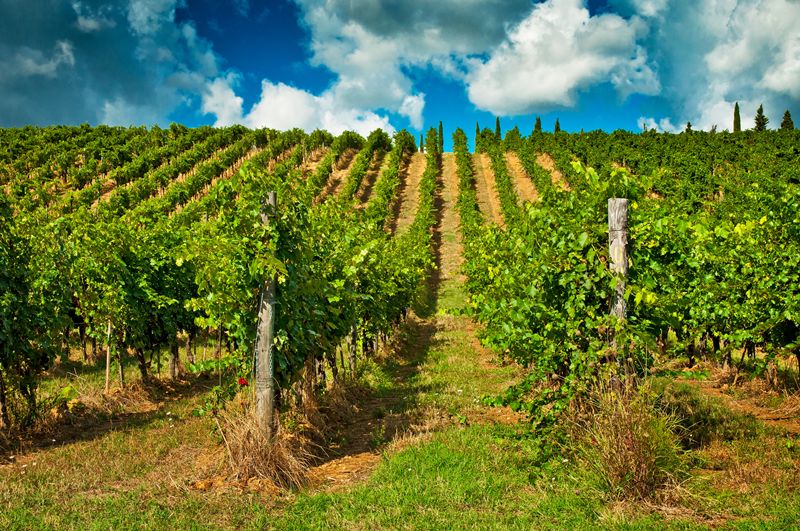
A study published on Wednesday, October 28 in the journal OENO One found that winegrowers in southwestern France were able to cut pesticide use sharply in vineyard trials without major losses in yield in most of the systems tested, adding fresh evidence to a difficult debate in one of France’s most pesticide-intensive crops.
The research followed 19 winegrowers across the Cahors, Fronton, and Gaillac wine regions during the 2021 and 2022 growing seasons. The authors, led by Mickaël Perez, tested four management strategies that were designed with growers and then applied under real farm conditions rather than in small research plots. The goal was to see whether lower-pesticide systems could still control disease, protect production, and remain economically workable.
Compared with the French High Environmental Value reference, a national benchmark used in the study, the average reduction in the total treatment frequency index reached 32.1% for an integrated pest management strategy, 42.2% for a “zero residue” strategy, and 87.8% for a biocontrol-only strategy. Against the growers’ own conventional practices, the cuts were smaller but still substantial: 17.9% for integrated pest management, 29.7% for the zero-residue approach, and 80.7% for the biocontrol system.
The treatment frequency index is a standard measure of pesticide use based on the number and dose of applications. In practical terms, the reductions came mainly from fewer fungicide sprays. The study said that outcome was driven by two main tools: a decision support system that helped time treatments more precisely, and the replacement of some conventional fungicides with biocontrol products.
The four approaches had different aims. The integrated pest management strategy targeted a 50% cut in pesticide use from the environmental reference and excluded carcinogenic, mutagenic, and reprotoxic pesticides. The zero-residue strategy aimed for the same reduction while seeking wine with no detectable pesticide residues. The biocontrol strategy relied only on biocontrol products and plant extracts, alongside mandatory treatment requirements. A fourth system, used in organic vineyards, sought to keep copper applications at no more than 2 kilograms per hectare per year.
The researchers said all of the tested systems except the biocontrol-only model were able to control disease, limit yield losses, and lower fungicide costs. The organic copper-limited strategy also kept copper use below the 2 kilograms per hectare threshold set for that trial. The paper described the overall yields in the successful systems as satisfactory under real farm conditions.
That distinction mattered because disease pressure changed sharply between the two years of the experiment. The 2021 season was wetter than normal in the study area, with stronger pressure from downy mildew and black rot. The 2022 season was warmer and drier, with lower disease pressure. By working across two contrasting years, the trial gave a more realistic test than a single-season result, though the authors said that was still not enough to support broad recommendations for every vineyard.
The work also points to why the issue matters beyond agronomy. For wine producers, and potentially for other beverage businesses that depend on farm inputs facing tighter environmental rules, the findings suggest there may be ways to trim fungicide use and some treatment costs without large hits to production. At the same time, the gap between the better-performing strategies and the biocontrol-only system shows that cost savings and lower spray use do not automatically translate into reliable disease control in every setting.
The study was carried out with the French cooperative VINOVALIE, which represents about 300 growers in southwestern France. Nineteen growers took part in the field experiment, including 12 in conventional vineyards and seven in organic systems. Each tested one strategy on part of a vineyard and kept another part under usual practice so researchers could compare disease levels, yield, pesticide use, copper use, and fungicide costs side by side.
The paper places the findings in a broader French context. Viticulture remains one of the country’s heaviest users of pesticides, and fungicides account for about 80% of vineyard pesticide applications, according to figures cited by the authors. They said national efforts to reduce pesticide dependence have not produced a large drop in overall use since 2009, partly because growers face strong disease pressure and are reluctant to take production risks.
The researchers said their results support the idea that farmer-led, on-farm experimentation can help break that pattern because growers are more likely to adopt techniques they helped design and test themselves. But they also warned against overgeneralizing from the current trial. The study called for validation over larger areas, with more grape varieties, different production goals, and more years with changing disease pressure before the strategies are promoted on a wider scale.