Rheinhessen expects its 2026 grape harvest to fall 5%-10% below average
Growers say fruit quality remains good despite lower yields in Germany’s largest wine region
Friday, October 23, 2026
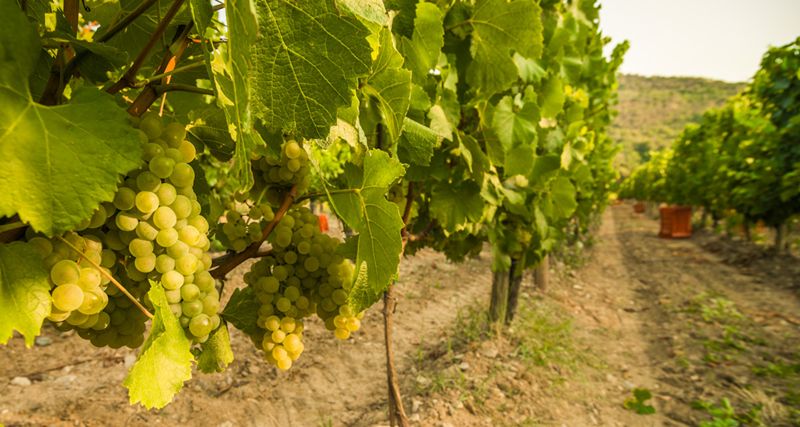
Rheinhessen is heading into a smaller 2026 grape harvest than usual after a growing season marked by heat and drought, even as growers in the German wine region say fruit quality remains good.
According to the Rheinhessen Winegrowers’ Association, the harvest is expected to come in about 5%-10% below the region’s long-term average of 2.5 million hectoliters. The outlook, reported Thursday by the German trade publication Weinwirtschaft, points to reduced volumes after weather conditions limited production and the amount of grapes picked across the region’s vineyards.
The smaller crop follows a year in which high temperatures and dry spells put pressure on vines and shaped development in the vineyards. Even so, the association said the quality of the grapes is positive, raising expectations that wineries will still be able to produce wines with strong characteristics despite the lower output.
That combination of less volume and solid quality is important for the beverage industry because Rheinhessen is Germany’s largest wine region and a major supplier to both domestic and foreign markets. A smaller harvest can tighten supply for producers, traders, and importers, while good grape quality may help wineries focus on value and market positioning rather than volume alone.
The region is also facing pressure in export markets. Between July 2025 and June 2026, Rheinhessen’s wine exports fell 3.2% by volume, while export value rose 1.7%, according to the figures cited by the report. The split suggests the region shipped less wine abroad but generated slightly more revenue, a pattern that can reflect price increases, changes in product mix, or stronger sales in higher-value categories.
Weinwirtschaft reported that the decline in export volume is weighing on the regional wine economy at a time when producers are already dealing with lower harvest expectations. The report said global competition and shifts in international demand are among the factors affecting Rheinhessen’s performance abroad.
For wineries and buyers, the developments present two different signals at once. On one side, the crop is smaller than average, which can affect planning for supply, bottling, and sales. On the other, the expected grape quality gives producers a basis to promote the vintage and defend pricing in a competitive market. For importers and distributors, especially those that rely on German wine volumes, the combination could influence sourcing decisions in the coming months.
The association’s assessment also points to a broader adjustment taking place in the vineyards. It said the region’s ability to maintain quality despite difficult weather reflects continued work on cultivation methods and vineyard management as growers adapt to a changing climate. In practice, that means producers are trying to limit the impact of more frequent heat and drought events while protecting grape quality and preserving commercial returns.
Rheinhessen’s situation mirrors a wider challenge facing many wine regions: how to manage lower or more variable production without losing market share. In this case, the pressure is coming from both the vineyard and the market. Weather reduced the expected harvest, while export volumes moved lower even before the new vintage reaches buyers.
Regional producers are now looking for ways to strengthen their position in key foreign markets and recover lost share, according to the report. That effort comes as wineries balance the immediate effects of a lighter harvest with the longer-term need to respond to changing consumer demand and tougher international competition.
The 2026 season in Rheinhessen is therefore shaping up as a year of restrained production but encouraging grape quality, with the commercial outcome likely to depend not only on what is in the cellar, but also on how effectively the region can sell its wines at home and abroad.