Legal group prepares challenge to U.S. ban on most Canadian alcohol imports
The Liberty Justice Center plans to file later this month, seeking broad relief from Section 338 measures.
Saturday, October 10, 2026
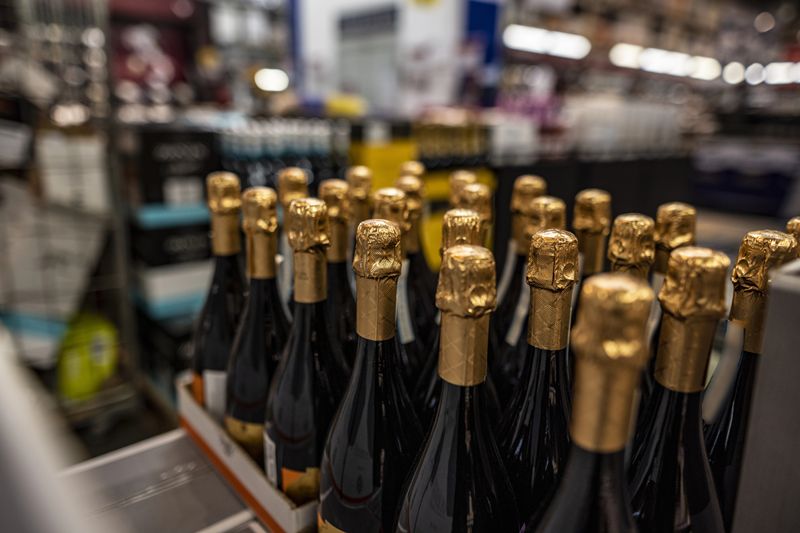
A legal challenge is being prepared against U.S. measures that have largely stopped Canadian alcohol from entering the American market, according to a trade update released Friday by the Wine & Spirits Shippers Association, adding a new front to a trade dispute that is already disrupting cross-border sales of wine, beer and spirits.
The association said the Liberty Justice Center plans to file a court challenge later this month to the Section 338 measures that took effect on September 29. According to the group, the filing will seek relief for affected importers broadly, not only for the plaintiffs named in the case.
The U.S. action has effectively barred almost all Canadian beverage alcohol from crossing into the United States, the association said. It reported that the main exceptions are certain bulk shipments. Bulk wine is still allowed into the U.S., but it is subject to a 50% tariff under Section 338, according to the update. Bulk spirits are exempt from both the ban and the tariff, the association said.
The dispute comes as formal trade talks between the United States and Canada remain suspended. The association said those talks broke down on August 22 and have not resumed at the official level, although it said lower-level discussions are still continuing. At the same time, U.S. alcohol products remain off store shelves in almost all Canadian provinces, a separate restriction that the group said continues to hurt American exporters.
The association cited steep declines in U.S. sales to Canada, saying wine exports are down 87% and spirits exports are down 70%. Those figures, if sustained, point to a sharp contraction in a market that has long been important for many American producers and distributors.
For the beverage industry, the dispute matters well beyond a narrow legal fight. Even though the association said bottled Canadian exports to the United States do not account for a large volume and therefore the direct economic effect of the import ban has so far been limited, the restrictions are forcing companies to reassess sourcing, pricing and inventory decisions. Importers that rely on Canadian wine, beer or spirits face new uncertainty over whether products can enter the U.S. at all, and at what cost. Businesses using bulk wine may still be able to move product, but the 50% tariff raises landed costs and could pressure margins or retail prices.
The case also lands at a time when beverage companies are already dealing with broader shipping and trade volatility. In the same weekly update, the association pointed to continued congestion in major Northern European ports, rising attacks on tankers near the Strait of Hormuz, weather-related transport disruption in Spain and low-water problems on the Rhine that could interrupt barge service. Those factors do not directly drive the U.S.-Canada dispute, but they add to the operating pressure on importers and distributors that are trying to keep supply chains stable.
The Liberty Justice Center has become a familiar name in recent trade litigation involving importers. The association said the group previously brought successful litigation involving IEEPA duties and also has a pending case related to Section 122 tariffs. In the new challenge, it plans to target the Section 338 measures now affecting Canadian alcohol.
The trade group did not provide a filing date or identify the court where the Section 338 challenge will be brought. It also did not say which importers will be part of the initial case. Its update said only that the filing is expected later this month.
The dispute has also produced practical guidance for people crossing the border. The association said trade lawyers are advising travelers not to carry Canadian alcohol into the United States while the restrictions remain in place, an indication of how broadly the current measures are being interpreted.
The U.S.-Canada conflict is unfolding while the United States moves ahead with a separate review process under the U.S.-Mexico-Canada Agreement. The Office of the U.S. Trade Representative opened a public comment period on October 2 as part of the joint review of the USMCA scheduled for 2027. According to the association, comments are due by January 12, 2027. The group said bilateral progress with Mexico is moving forward, while talks with Canada remain frozen.
That contrast has commercial significance for alcohol suppliers. The association said it continues to expect positive results in U.S.-Mexico talks and duty-free treatment for Mexican beverage alcohol. If that happens while Canadian products remain restricted, importers and wholesalers could shift some purchasing toward Mexico or other foreign sources, depending on category, price and availability.
For now, the immediate effect is a North American alcohol market operating with unusual barriers on both sides of the U.S.-Canada border. Canadian bottled alcohol is largely shut out of the United States, according to the trade group, while American products remain absent from most Canadian provincial shelves. Until there is either a negotiated breakthrough or a court order that changes the current rules, importers, producers and distributors in the wine, beer and spirits business are likely to keep adjusting contracts, shipments and pricing to manage the disruption.