Trump Bars Canadian Alcohol, Dairy and Motorcycle Imports Starting Sept. 29
The White House said the order answers Ottawa’s retaliatory duties and could disrupt prices and supply for U.S. importers.
Friday, September 11, 2026
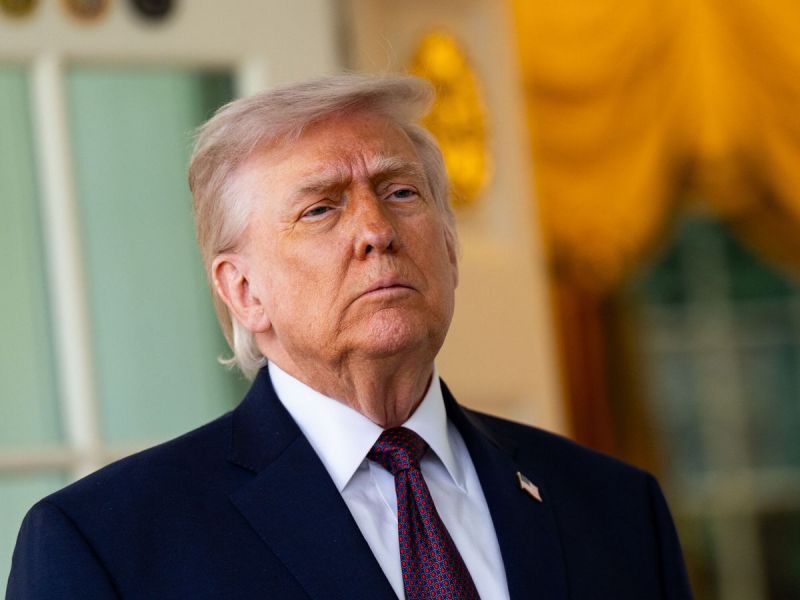
President Donald Trump has stepped up the trade fight with Canada, ordering a new ban on a range of Canadian goods and widening the list of products subject to 50% U.S. tariffs after Ottawa kept retaliatory duties in place against American exports.
In a series of proclamations issued Tuesday night, Trump barred the import of selected alcohol, dairy products, motorcycles and mopeds from Canada. The White House said the ban will take effect on Sept. 29 at 12:01 a.m. Eastern.
A senior White House official said the move was meant to preserve what the administration sees as fair competition and to answer Canada’s tariff retaliation. “President Trump is doing this to make sure again that we keep a level playing field, deter retaliation, and of course protect American production,” the official told reporters.
The alcohol restrictions are broad and touch several beverage categories sold through U.S. import and distribution channels. According to the proclamation, the ban covers sparkling grape wine, malt beer, rice wine or sake, Irish and Scotch whisky, and pisco and singani, as long as they are packaged. It also covers tequila and mezcal in containers under four liters. The new import ban also includes non-alcoholic beer.
For the beverage business, the move could disrupt supply and pricing for importers, wholesalers, retailers and restaurants that rely on products routed from Canada or packaged there before entering the U.S. The effect may be especially visible in categories such as Canadian sparkling wine and some packaged beer and spirits, and it could raise the chance of further retaliation that affects cross-border beverage trade.
The dairy products now barred from entering the United States from Canada include several kinds of whey protein. The proclamation also covers cane molasses. The motorcycle restrictions apply to motorcycles and mopeds listed in the administration’s order.
At the same time, Trump expanded the separate 50% tariff list to include additional Canadian goods. Those products include golf carts and similar motor vehicles, cotton mattresses, bamboo and rattan furniture, and more aluminum and cheese products, according to the White House.
The administration also removed some Canadian items from the 50% tariff list. The products taken off include non-white cement, toilet and facial tissue, bed sheets and other household and hospital articles made of paper pulp, fishing rods and related accessories, chemically pure sugars, and road salt.
The senior White House official said the products removed from the tariff schedule reflected a more targeted approach in areas where U.S. supply is limited. The official said Trump had shown “a lot more nuance” for naturally occurring goods or resources that are not readily available in the United States. As an example, the official pointed to rock salt from Canadian mines used in parts of the country where replacements are not easy to find. The changes to the tariff list are expected to take effect in one week, the official said.
In a separate escalation, Trump directed the General Services Administration and the Office of the U.S. Trade Representative to remove Canadian goods from U.S. government procurement markets unless Canada changes course. The federal schedules used for those purchases account for more than $50 billion a year in foreign goods acquisitions.
In a post on Truth Social, Trump said he was directing the GSA, working with the USTR, “to take all necessary steps to REMOVE Canadian-origin products from GSA’s Multiple Award Schedules unless Canada restores full and fair reciprocity for American Farmers and Companies.”
It is not yet clear how quickly Canadian products could be removed from federal purchasing contracts or how broadly the order would be applied across agencies and existing supply arrangements.
The latest actions deepen a trade dispute that has already spread beyond metals and autos into consumer products, food and drink. The new measures also come as the administration keeps in place plans to impose 50% tariffs on Canadian automobiles starting Jan. 1. The senior White House official said that deadline remains on the books, though the administration still sees room for a negotiated settlement.
“Whether we can find alternative resolutions at the table, I would say, I mean, yes, that’s always a possibility,” the official said. The official added that there appears to be interest on the Canadian side in finding another path and said Washington remains open to talks.
Canada responded cautiously but sharply. Trade Minister Dominic LeBlanc said the government is reviewing the new U.S. measures and repeated Ottawa’s position that the American actions are unjustified.
“As has been the case for 18 months, our absolute priority remains to protect and support Canadian workers, farmers, families, and businesses in the face of these unjustified measures,” LeBlanc said in a statement.
He added that Canada remains willing to negotiate, but only on terms that protect its interests. “When the United States is ready to engage in dialogue, our government will work in good faith and constructively toward establishing safer and mutually beneficial trade relations that fully respect Canadian sovereignty,” LeBlanc said.
The new alcohol ban stands out because it reaches into retail beverage categories that can move quickly through seasonal promotions, restaurant menus and holiday purchasing cycles. Importers and distributors now face a short window before the Sept. 29 start date to review inventories, shipment timing and contract exposure. If the dispute continues, buyers may need to seek alternative suppliers, a shift that could add costs and limit selection in some parts of the U.S. market.
The White House has framed the latest steps as a response to Canada’s retaliation and as part of Trump’s broader effort to use tariffs and import controls to push trading partners into new concessions. Canada has argued its measures are necessary to defend domestic industries and workers while the two countries remain locked in a widening commercial standoff.