Chile urges U.S. to widen tariff exemptions on exports hit by a 12.5% surcharge
The latest talks ended without a deal, leaving wine producers and other exporters exposed to higher costs
Friday, October 30, 2026
Chile’s government said it met with the Office of the U.S. Trade Representative on Thursday, October 29, to press for broader exemptions from a 12.5% tariff surcharge that is affecting part of the country’s exports to the United States.
The meeting brought together Paula Estévez, Chile’s undersecretary for international economic relations, and U.S. Trade Representative Jamieson Greer during Estévez’s visit to the United States. According to the Chilean government, she used the talks to restate Chile’s case for removing more products from the surcharge and to push for trading conditions that support bilateral commerce.
Chile said products that are already exempt account for 53.6% of the country’s shipments, but Santiago wants that share to grow. No new tariff agreement was announced after the meeting, and the negotiations remain open.
The latest talks are part of a longer bilateral effort that Chile says has been underway since the first half of 2025, after the Trump administration’s initial tariff announcements. Chile’s goal since then has been to preserve the best possible access for its exporters to the U.S. market, which officials describe as one of the country’s most important overseas destinations.
In comments released by the Chilean government, Estévez said the United States had changed its trade policy and was now negotiating bilateral arrangements with several countries after imposing tariffs on all of its trading partners. She said Chile was acting pragmatically to secure the best conditions it could for local exporters.
Estévez also said the Thursday, October 29, meeting was useful because it allowed Chile to reinforce its position directly with U.S. officials. She repeated Chile’s opposition to tariffs and said more Chilean products should be exempt. She added that Chile remained open to what she described as a pragmatic, mutually beneficial solution.
The meeting followed the most recent previous negotiating round in August, when a U.S. delegation led by Deputy USTR Jeffrey Goettman traveled to Chile. The October 29 contact signaled that both sides are still engaged, even though they have not yet announced a breakthrough.
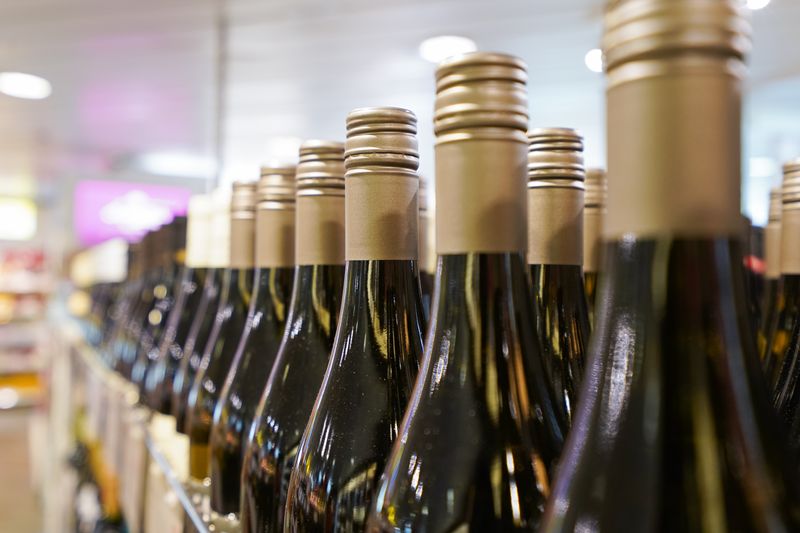
The tariff dispute matters beyond Chile’s broader export sector because any expansion of exemptions could have direct effects on beverage trade. Wine is among the Chilean products exposed to the 12.5% surcharge, and any relief would likely improve the position of Chilean producers in the U.S. market. Lower duties could also change competitive conditions among imported wines and other beverage categories by affecting retail pricing, margins, and the relative appeal of different origins.
That makes the talks especially important for Chile’s wine industry, which relies heavily on export markets and has long treated the United States as a key destination. For importers, distributors, and retailers in the U.S., the outcome could influence sourcing decisions if tariff costs remain in place or are reduced for some products and not for others.
The Chilean government did not provide a detailed list of the products discussed in the latest meeting, nor did it say whether the two sides had narrowed their differences on specific goods. Its statement focused instead on Chile’s general effort to widen the pool of exempt products and maintain favorable access to the American market.
The October 29 meeting took place during a U.S. visit linked to the program “Navigating the Global Trade Reset: Strategic Options for Latin America and the Caribbean,” organized by the Development Bank of Latin America and the Caribbean and the Georgetown Americas Institute. Chile said the trip also included meetings with other U.S. officials on the broader economic relationship between the two countries.
According to the Chilean government, Estévez’s agenda in the United States included talks with Juan Pablo Segura at the State Department and with senior Commerce Department officials responsible for industry and security and for international trade. Those meetings also centered on economic ties between Chile and the United States, underscoring that the tariff issue is being handled alongside a wider set of commercial and strategic discussions.