California’s 2026 wine grape harvest is running weeks early across much of the state.
Growers report smaller berries and lighter yields after a warm March and stormy flowering, with early picks showing concentrated fruit.
Friday, October 2, 2026

Views › 3882
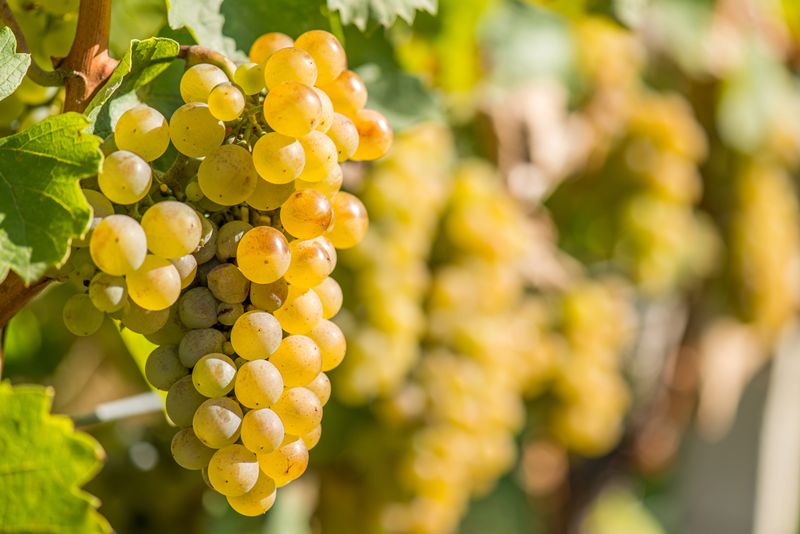
California’s 2026 wine grape harvest is running weeks ahead of normal in many regions, with growers and winemakers reporting smaller berries, lighter yields and early signs of strong fruit quality after a season shaped by warm weather in March and disruptive conditions during spring flowering.
The early harvest picture emerged in a vintage preview released Thursday by Wine Institute and carried by Wine Industry Advisor. The report said vineyards across the state moved into harvest earlier than usual, with producers from the North Coast to the Central Coast describing concentrated flavors, bright acidity and fresh varietal character in fruit already in the cellar.
According to the preview, an unusually warm March pushed the growing season forward. Later, rain and strong winds during flowering reduced fruit set in many areas, leaving looser clusters, uneven berry development and lower crop levels. Growers said those smaller berries are now translating into more flavor concentration, even as total volume appears lighter than usual.
That mix of lower yields and earlier picking could matter beyond the vineyard. If smaller crops hold across more regions, wineries and grape buyers may face tighter availability than they expected, a development that could influence inventories, supply planning and contract talks for grapes and bulk wine. Any effect on pricing or broader supply will depend on the size of the final harvest and on remaining fruit still to be picked.
In the North Coast and on the Central Coast, the preview said moderate summer weather helped fruit ripen without long periods of extreme heat. That gave growers a better chance to bring in grapes at desired sugar and acid levels despite the compressed timeline. Picking began in the South Central Coast in late June, and some vineyards in Sonoma County’s Russian River Valley had finished by the middle of September, the report said.
Sean W. McBride, owner and winemaker at Crosby Roamann in Napa Valley, said the season stood out for both its early start and its even ripening pattern. He said mild summer conditions helped the fruit develop steadily. Terah Bajjalieh, owner and winemaker at Oakland-based Terah Wine Co., described a vintage defined by bright acidity, strong aromatics and a leaner tannin profile.
Several producers pointed to timing differences that show how far ahead the season has been. Bonterra Organic Estates in Mendocino County said it started harvest on July 22 with Pinot Gris, nearly two weeks earlier than in 2025. The company’s general manager, John Kane, said smaller berries appear to have increased flavor intensity in several lots while the earlier harvest helped preserve freshness and balance.
In Sonoma County, Bacigalupi Vineyards reported unusually small berries and clusters in Pinot Noir from the Russian River Valley. General manager Nicole Bacigalupi said the fruit is showing deeper color and more concentrated flavors than is typical for the winery’s Pinot Noir. That pattern fits the broader statewide message from growers that lower berry size is offsetting some of the disappointment over reduced tonnage.
On the Central Coast, Tablas Creek Vineyard in western Paso Robles said its Rhône varieties are showing vivid color and clear varietal expression. The estate made its first pick, a small lot of Viognier, on August 7. Jason Haas, partner and general manager, said the fruit is intense and characteristic even if overall quantity is down.
The preview also suggested that early flowering gave some vineyards a longer effective hang time even with earlier harvest dates. That may help explain why some winemakers are reporting both freshness and full flavor development at the same time, a combination they often seek but do not always get in warmer years.
The state’s 2026 vintage is still developing, and the current assessment is based on early picks and producer reports rather than a full harvest accounting. The source material did not offer a statewide production estimate, and it remains too early to know how uniform these conditions were across all appellations or how the wines will evolve through fermentation and aging.
Even so, the early signals are important for the beverage sector because California dominates U.S. wine production. Wine Institute says its members account for more than 80% of the nation’s wine output and 95% of U.S. wine exports. If the 2026 crop finishes lighter while quality remains strong, wineries may prioritize certain labels or channels, and buyers in wholesale and retail markets could see a different balance between premium positioning and available volume.
Wine Institute said a broader California Harvest Report with more regional detail is expected later this fall. That report is likely to provide a fuller picture of crop size, regional variation and how much the early promise seen in cellars translates into the final 2026 wines.