U.S. beer sales decline eased in early November, NielsenIQ says
Dollar sales fell 1.5% in the four weeks ended Nov. 7, with consumer pullback driving 92% of losses
Wednesday, November 18, 2026

Views › 241
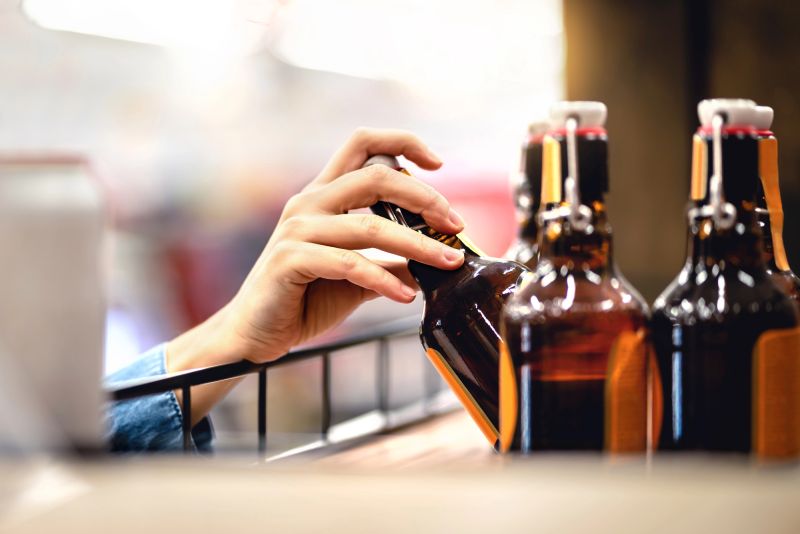
U.S. beer sales showed signs of stabilizing in early November, even as the category remained in decline and weekly results softened, according to a new NielsenIQ report covering the four weeks ended Nov. 7.
The report, which tracks total beer sales excluding flavored malt beverages and hard seltzer, said dollar sales fell 1.5% from a year earlier in the latest four-week period. Volume dropped 3.2%. NielsenIQ said both measures improved slightly from the prior reporting period, suggesting the category entered November on firmer footing despite continued pressure on demand.
Consumer pullback remained the main reason for weaker performance. NielsenIQ said softer shopper interest accounted for 92% of the category’s losses, while reduced distribution accounted for the remaining 8%. That breakdown points to a demand problem more than a shelf-space problem, with fewer consumers buying beer even as availability changed only modestly.
On a week-to-week basis, the picture was weaker. Weekly dollar sales were $830.5 million, down 4.6% from the previous week. The report did not attribute the weekly decline to a single factor, but it said the broader four-week trend was still improving compared with earlier periods.
Results varied sharply across segments. Domestic super premium beer remained the strongest major segment, with dollar sales up 2.4% and volume up 1.6% in the four weeks ended Nov. 7. Import beer also stayed in positive territory by value, but only barely. Dollar sales for imports edged up 0.1%, while volume fell 1.4%, a sign that pricing and mix helped keep sales dollars flat even as unit demand weakened.
Several smaller growth areas continued to outperform the broader market. Non-alcoholic beer posted an 8.6% gain in dollar sales and a 7.1% increase in cases sold. Cider also expanded, with dollar sales up 7.0% and case sales up 5.4%. Those gains stood out against declines in many traditional beer segments and added to evidence that some consumers are shifting within the beverage alcohol market rather than leaving it entirely.
Other parts of the beer business remained under strain. Domestic premium was the weakest major segment in the report, with dollar sales down 5.3% and volume down 6.5%. Craft beer also declined, with dollar sales falling 4.0% and volume slipping 5.3%. The data suggest that broad-based weakness is still affecting many established parts of the market, even as premium, import and non-alcoholic pockets hold up better.
Among brewers, Anheuser-Busch remained the largest manufacturer by dollar sales, though its performance was negative in the latest period. Its dollar sales fell 1.9%, and case sales were down by 1.7 million. Constellation ranked second and was one of the largest brewers still showing growth, with dollar sales up 1.5% and case volume up 17,500 cases. Molson Coors Beverage Co. ranked third, with dollar sales down 3.3% and case sales down 1.2 million.
Heineken USA, the fourth-largest manufacturer by dollar sales in the report, posted a 6.0% decline in dollar sales and a case loss of 267,800. New Belgium Brewing ranked fifth and recorded one of the strongest gains among major brewers, with dollar sales up 7.7% and case volume up 69,100.
When ranked by dollar growth rather than size, Constellation led the field among the top five manufacturers identified by NielsenIQ. New Belgium followed, then Boston Beer, which posted 1.8% dollar growth and added 16,500 cases. Sapporo Breweries Ltd. showed one of the fastest growth rates in the report, with dollar sales up 14.4% and case volume up 17,300. Athletic Brewing Co., a major player in non-alcoholic beer, rounded out the top five growth manufacturers with dollar sales up 4.1% and case sales up 5,400.
At the brand level, Modelo remained the top beer brand by dollar sales in the latest four-week period. Its dollar sales rose 0.4%, though case sales fell by 160,300. Budweiser ranked second and posted one of the sharpest declines among leading brands, with dollar sales down 7.5% and case sales down 1.6 million. Michelob was third and turned in a much stronger performance, with dollar sales up 5.5% and case volume up 470,700.
Corona ranked fourth, with dollar sales down 1.3% and case sales down 163,900. Coors ranked fifth, with dollar sales down 1.7% and case volume down 405,900.
Michelob was the leading brand by dollar growth among the top five gainers. Pacifico followed with a 19.1% increase in dollar sales and a gain of 257,400 cases, making it one of the strongest-performing brands in the report. Busch posted 3.1% dollar growth and added 141,600 cases. New Belgium’s brand sales rose 8.3%, with case sales up 58,900. Victoria also recorded a strong gain, with dollar sales up 17.3% and case volume up 75,200.
The latest figures show a beer market still dealing with falling overall demand, but not weakening evenly across the board. Imports remained resilient, premium offerings held up better than mainstream domestic segments, and non-alcoholic beer kept growing faster than most of the rest of the category. At the same time, steep declines in domestic premium and continued weakness in craft underscored how uneven the market remains.
The data came from NielsenIQ Retail Measurement and covered the four weeks ended Nov. 7.