The European Commission Allows Germany to Label Mulled Wine With Under 0.5% Alcohol as Nonalcoholic Glühwein
The ruling lets producers market alcohol-free versions under the traditional name, potentially widening winter sales in Germany
Monday, November 9, 2026
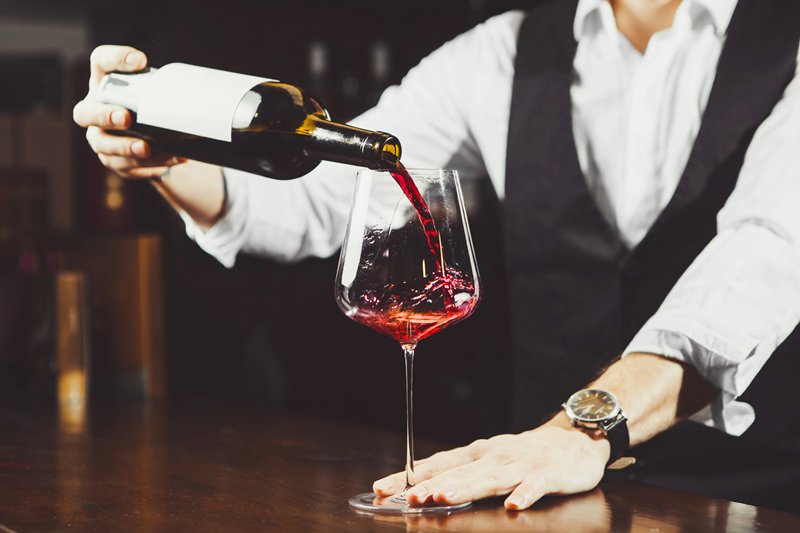
Germany’s mulled wine market will be able to sell a new product under a familiar name after the European Commission authorized the use of the term nonalcoholic Glühwein for drinks with less than 0.5% alcohol by volume, according to the German Wine Institute on November 8.
The decision means producers can market alcohol-free versions of the traditional winter drink as Glühwein rather than under a more generic description. In Germany, Glühwein is commonly made from red wine, sugar and spices such as cinnamon, cloves and star anise, and it is widely consumed during the cold season.
The German Wine Institute, known by its German initials DWI, said the approval expands options for consumers who want to avoid alcohol while still buying a product that resembles the traditional drink in taste and presentation. The institute said the change also gives manufacturers and retailers a clearer basis for offering alcohol-free alternatives within the category.
The move matters beyond labeling. For wineries, distributors and hospitality businesses, Glühwein is a seasonal product with a defined sales window, and a clearer legal name for alcohol-free versions could make it easier to place those drinks in stores, restaurants and other outlets in Germany. It could also encourage more producers to extend their nonalcoholic portfolios at a time when alcohol-free beverages are drawing wider interest across the drinks market.
DWI said the rule is aimed at products whose alcohol content stays below 0.5%. That threshold is significant because it allows the product to remain in the nonalcoholic segment while keeping a direct link to the traditional Glühwein category. For consumers, that can reduce confusion about what the bottle contains and what kind of drinking experience it is meant to offer.
The institute framed the change as a practical response to demand from people who do not drink alcohol, including pregnant women and others who avoid it for health, religious or personal reasons. DWI also said the new authorization could make the category more accessible to a broader group of buyers without removing the sensory profile associated with mulled wine.
Because Glühwein is a strongly seasonal beverage, the timing of the clarification is likely to be especially relevant for producers preparing winter assortments. The decision gives the trade a more direct route to market products that had previously faced naming limits, and it may help standardize how alcohol-free mulled wine products are presented to consumers in Germany.