Alcohol Producers Must Remove Red No. 3 From Drinks by Jan. 15, 2027
A TTB notice tells brewers, distillers, winemakers and importers to secure approved new formulas for affected beverages
Friday, November 6, 2026
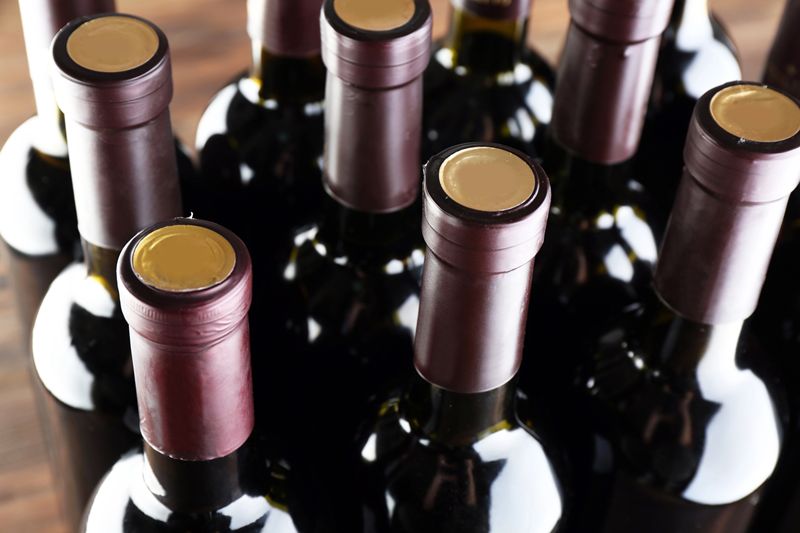
The Alcohol and Tobacco Tax and Trade Bureau said on November 6 that alcohol producers and importers must make sure any color additives used in beverage products comply with Food and Drug Administration rules, as federal agencies move to remove FD&C Red No. 3 from the food supply, including alcoholic drinks.
In a notice to industry members, TTB said the Department of Health and Human Services and the FDA are working with companies to phase out petroleum-based synthetic dyes from foods. Under that effort, FD&C Red No. 3 will no longer be allowed in foods, which the agency said includes alcohol beverages. TTB said companies have until January 15, 2027, to reformulate affected products and obtain an approved formula that complies with federal requirements.
The notice is significant for brewers, winemakers, distillers and importers that use added color in products such as flavored malt beverages, specialty spirits and other alcohol drinks that require formula approval. TTB said color additives cannot be used simply because they are available on the market. They must first be approved by the FDA, and their permitted use must cover the alcohol product in question.
According to TTB, some color additives are approved broadly for foods and can therefore be used in alcohol beverages. Others are approved only for specific products or purposes. The agency said a color additive may be used in an alcohol beverage only if it is approved for food use generally or if the regulation for that additive specifically lists coloring alcoholic beverages as an intended use. The agency directed companies with questions about the federal approval process for new colors to the FDA, including questions about petitions for color additives derived from natural sources.
TTB said the FDA has approved new color additives from natural sources as part of the transition away from petroleum-based synthetic dyes. The bureau did not identify specific replacement colors in the notice, but it said producers should consult FDA resources when considering reformulation. The agency also said businesses that need guidance on how a product is classified, or whether a particular color additive is allowed in a specific beverage, should contact TTB’s Alcohol Labeling and Formulation Division. Companies seeking help with nonbeverage products were referred to the bureau’s Scientific Services Division.
The same TTB newsletter also advised importers that Italy has updated the official state seals used on wines with the protected designations DOC and DOCG. Those designations, known in Italy as Denominazione di Origine Controllata and Denominazione di Origine Controllata e Garantita, identify wines tied to regulated geographic origins and production standards. TTB said the new seals include a revised design with the Italian tricolor and a QR code intended to support product identification, traceability and security.
TTB said the new Italian seals were adopted under Italian ministerial decrees and are being introduced gradually. Because existing stocks of the older seals may continue to be used until they run out, bottles entering the United States during the transition may carry either the earlier version or the updated one. The bureau said the change should not affect U.S. importers or consumers in practical terms.
For importers, TTB said the seal revision does not by itself require a new Certificate of Label Approval, or COLA, for affected wines. A bottle bearing the updated Italian state seal can continue to rely on its existing approval, as long as no other label changes trigger a new filing. Still, the bureau said importers remain responsible for making sure their products meet all other applicable labeling, import and regulatory requirements.
TTB also said its offices will be closed on November 11 in observance of Veterans Day. The bureau used the newsletter to point industry members to guidance on alcohol beverage formula approval, including materials on which beverages require formula approval, current processing times, and technical guidance on flavor ingredient data sheets and ingredient specification sheets.
The Red No. 3 deadline is likely to draw the most immediate attention from producers because it creates a fixed timetable for reformulation and federal review. Companies that continue to use the dye after January 15, 2027, or that fail to secure an approved revised formula where one is required, could face compliance problems affecting production, labeling or importation. TTB’s notice makes clear that the transition is not only about changing ingredients, but also about making sure every updated formula matches the color additive rules enforced by the FDA and the alcohol product standards overseen by TTB.