U.S. withdrew South Africa’s AGOA benefits, lifting tariff costs for exporters from January 2027
Wine producers and other agricultural shippers now face tougher price competition in the American market
Monday, November 16, 2026

Views › 360
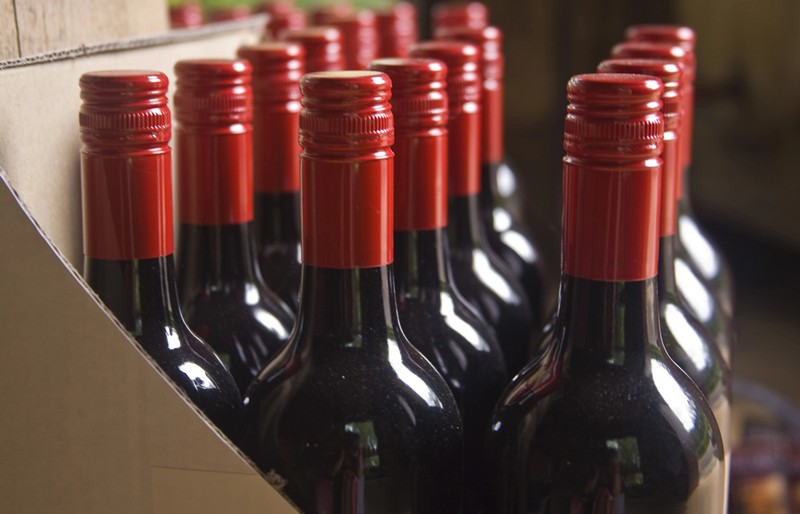
South African exporters to the United States are facing higher tariff costs after the country’s trade preferences under the African Growth and Opportunity Act were withdrawn on November 2, with the change set to take effect in January 2027.
FreshFruitPortal reported on Monday, November 16, that the end of AGOA benefits is expected to raise the cost of South African shipments to the U.S. and expose exporters to tougher competition in that market. The outlet said the change will affect a range of exporters, with wine among the sectors in line to feel the impact.
AGOA is a U.S. trade program that gives eligible countries in sub-Saharan Africa duty-free or reduced-duty access for many products. When those benefits end, goods that had entered the U.S. market on preferential terms generally move back to standard tariff treatment. That can raise the landed cost for American importers, reduce exporters’ margins, or force both sides to renegotiate prices.
For South African businesses, the main risk is a loss of price competitiveness. Exporters that had relied on AGOA to keep prices lower may now have to compete without that advantage against suppliers from countries that are not facing the same change or that already have stronger positions with U.S. buyers. In markets where retailers and distributors work with tight pricing bands, even relatively small duty changes can influence purchasing decisions.
The pressure could be especially important for the beverage industry. South African wine producers sell into a U.S. market where importers, wholesalers and retailers compare bottles closely by landed cost, price category and turnover. If tariffs push prices higher, producers may have to absorb part of the extra cost to hold shelf space, or risk losing ground to wines from other exporting countries. The shift could also increase the need for South African beverage companies to diversify export markets rather than depend too heavily on the United States.
Agricultural exporters outside wine face a similar problem. Fresh produce and other food shipments often compete on narrow margins, and changes in tariff treatment can quickly alter the economics of a sale. Importers may look for alternative suppliers if a product becomes more expensive at the border, particularly when freight, exchange rates and storage costs are already volatile.
The timing adds to the challenge. A January 2027 start date gives exporters some time to prepare, but trade planning often happens months in advance. Producers, exporters, importers and distributors typically lock in contracts, shipping schedules and promotional plans well before products move. Companies that expected AGOA preferences to continue will now have to review their exposure to the U.S. market and decide whether to raise prices, cut margins or redirect volume to other destinations.
The broader effect will depend on how individual products are classified under U.S. tariff rules and on how sensitive buyers are to price increases. Some exporters may be able to offset part of the change through brand strength, long-term relationships or premium positioning. Others, especially those competing in crowded categories, could find the loss of preferential access harder to absorb.
The development also has wider policy significance. AGOA has long been used to support export growth from eligible African economies by improving access to the U.S. market. Removing those preferences can affect more than customs charges. It can influence investment decisions, production planning and how companies structure their export business over the next several seasons.
With the January 2027 deadline approaching, South African exporters are likely to spend the coming weeks recalculating costs and speaking with U.S. customers about how the added duties will be handled once the new tariff treatment begins.