CBP requires foreign importers of record to meet stricter security standards by 2027
The rule will push companies to seek CTPAT validation or use CTPAT-validated customs brokers before January 5, 2027
Saturday, November 14, 2026

Views › 485
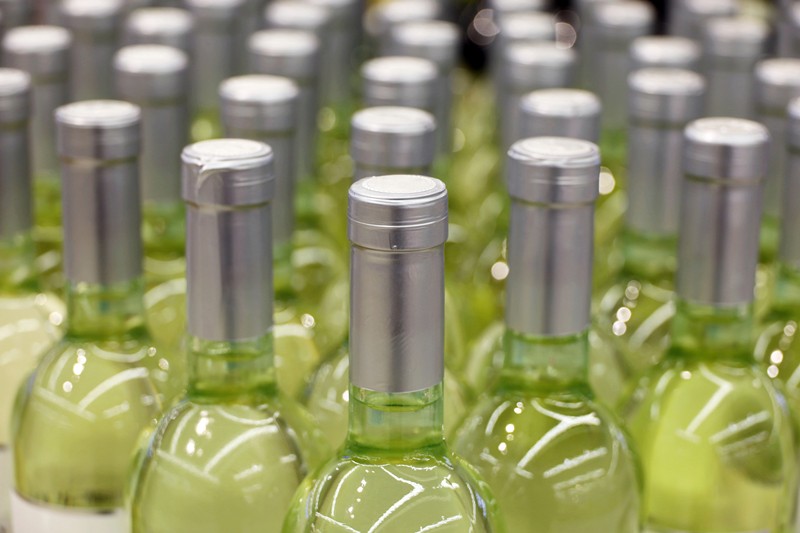
U.S. Customs and Border Protection is tightening the conditions under which foreign companies can serve as importers of record in the United States, a change that could force many importers to revisit how they clear goods at the border before January 5, 2027.
In an interim final rule published in the Federal Register on November 6, CBP set what it called heightened requirements for foreign importers of record. According to a Friday, November 13 logistics update from the Wine and Spirits Shippers Association, a foreign importer of record will generally have to be validated under CTPAT or use a customs broker that is CTPAT-validated.
The importer of record is the party legally responsible for customs entry, compliance and payment of duties and fees. In many cases that role is filled by a U.S. importer or distributor, but some supply chains use foreign importer-of-record structures that allow an overseas supplier or another non-U.S. entity to take that role. The new rule does not eliminate those arrangements outright, but it raises the compliance threshold for using them.
CBP also added three new data fields to Forms 3461 and 7501, the main forms used for cargo release and entry summary, according to WSSA, which cited CBP message CSMS #70381183. The association said companies that are unsure of their importer-of-record status, import through a foreign IOR arrangement, or work with foreign suppliers acting as importer of record should review the rule now.
The measure is taking effect on an interim basis while the agency continues to gather feedback on other supply chain disclosure issues. WSSA said the comment period for CBP’s separate advance notice on supply chain disclosures closes December 1.
The rule matters across many industries, but it could be especially significant for beverage imports. Some wineries, distilleries and foreign trading companies rely on foreign importer-of-record structures to move products into the U.S. market. Those businesses, along with the American distributors and importers that buy from them, may now need to decide whether to pursue CTPAT validation, shift to a validated customs broker, or change their import structure. That could mean added compliance work, new broker relationships and potentially higher costs for getting wine, spirits or other beverages into the country.
The change arrives at a time when importers are already dealing with a more uncertain trade environment. In the same Friday, November 13 update, WSSA said the Office of the U.S. Trade Representative had finalized a two-month extension of the suspension of Section 301 maritime fees on China-built or China-operated vessels, pushing that deadline to January 9, 2027. The association said importers should still treat January 10, 2027 as an active date because the government has not decided whether to extend the suspension again or take another action.
WSSA said it will address the new customs requirements in a November 17 webinar focused on what it described as a new era of customs enforcement. The session is set to cover the foreign importer rule, supply chain disclosure proposals, the benefits of CTPAT, the rise in customs exams, and the handling of CF29s and penalty notices. The speakers are William Ferrara, cofounder and president of Harbour Island Consulting and a former executive assistant commissioner in CBP’s Office of Field Operations, and Alison Leavitt, WSSA’s managing director.