Rhineland-Palatinate offers winegrowers premiums to uproot vineyards
Applications open Monday under a plan to shrink production capacity after weak demand and higher costs squeezed a major German wine region
Sunday, November 8, 2026
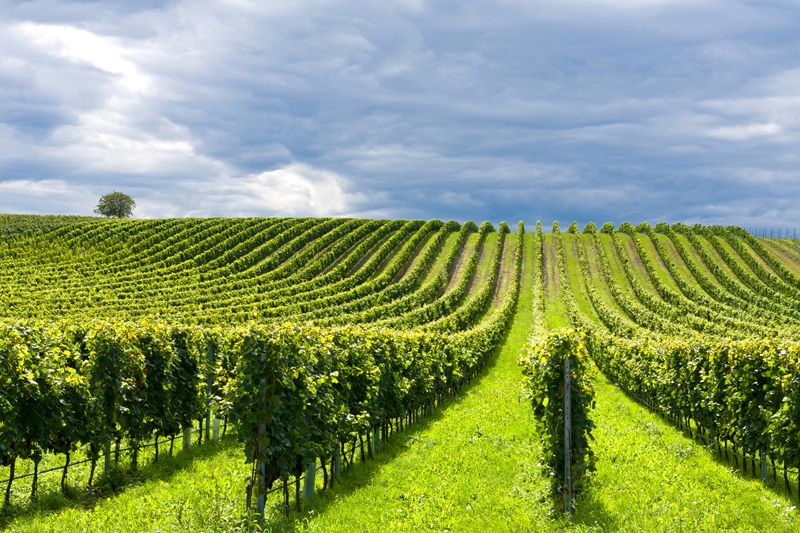
Winegrowers in Rhineland-Palatinate will be able to apply from Monday, November 9, for a premium to uproot vineyards, as the state government tries to reduce production capacity in a wine market facing weak demand and rising costs.
Rhein-Zeitung reported on November 7 that the measure is designed to lower production potential so supply better matches a market that is no longer absorbing current volumes. The report said the wine sector in the state is under pressure because production costs have increased while wine output is exceeding demand.
That has become a serious issue in Rhineland-Palatinate, one of Germany’s main wine-producing states. Six of the country’s 13 wine-growing regions are located there, giving the state an outsized role in the national wine business. When producers in a region of that size are offered financial support to remove vineyards, the move carries weight beyond individual farms and points to a broader market imbalance.
Uprooting premiums are used to take part of the production base out of the market. The basic aim is to encourage some growers to stop cultivating vineyard plots that may no longer be economically viable under current conditions. By shrinking planted area, officials hope to ease oversupply and reduce some of the pressure that excess volumes can place on prices.
The report described the program as one tool to relieve the wine market at a time when the industry is in a downturn. Costs tied to production have risen, according to the newspaper, while demand has fallen enough to leave more wine available than buyers are taking. For growers, that means pressure on both sides of the business: expenses are higher, and the market is less able to support strong volumes or stable returns.
The policy also reflects the scale of the challenge facing the state’s wine sector. A measure that pays growers to remove vines addresses the amount the region can produce in the future, not just the immediate problem of selling current stocks. That suggests authorities see the mismatch between supply and demand as structural, not simply a short-term fluctuation.
For the beverage industry, the opening of the program is a sign of how deeply market conditions are affecting a major wine region. If vineyard area is reduced over time, that could eventually affect grape availability and wine output for wineries, bottlers, distributors and other businesses linked to the supply chain. It also shows the degree of strain in a state that plays a central role in German wine production.
Rhein-Zeitung did not specify in the published report how much money individual growers could receive under the uprooting program or how long the application window will remain open. The newspaper’s account focused on the purpose of the measure: to cut production potential in response to oversupply, falling demand and the financial pressure now weighing on winegrowers in Rhineland-Palatinate.