Munich reviews Oktoberfest rules that protect six longtime beer suppliers
Officials said the process could eventually let Giesinger and other Munich breweries serve at the festival, but no decision is near
Tuesday, November 3, 2026
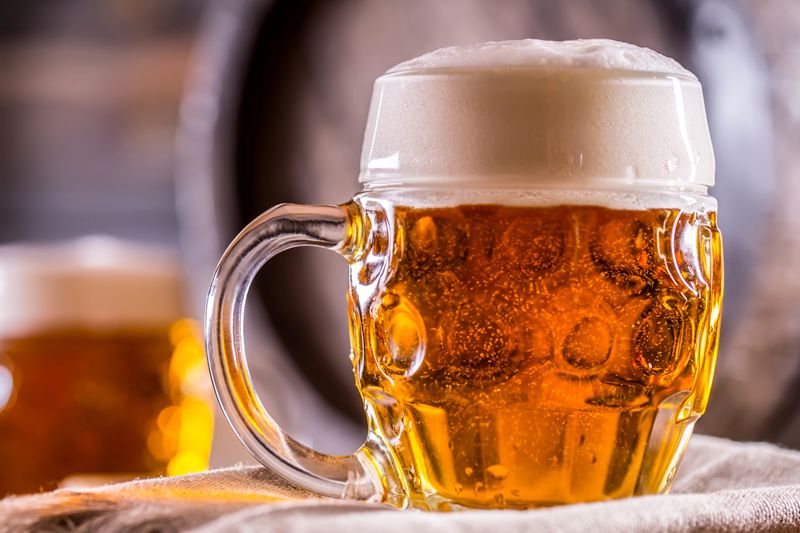
Munich is reviewing whether more local breweries should be allowed to serve beer at Oktoberfest, a move that could end the long-standing dominance of the festival’s six traditional suppliers.
The city administration is examining the criteria used to approve breweries for the annual festival, the municipal economic affairs department said on Monday, Nov. 2. The review could eventually clear the way for additional Munich breweries, including Giesinger Bräu, which has sought access to Oktoberfest for years. Another potential applicant is Münchner Kindl.
No decision has been made. City officials said the review is still underway, and any change would have to go through political coordination inside the governing coalition and then be approved by the city council.
For decades, beer in the Oktoberfest tents has been supplied by six established Munich breweries: Augustiner, Hacker-Pschorr, Löwenbräu, Paulaner, Spaten and Hofbräu München. Current operating rules say only Munich beer from “high-capacity and proven Munich traditional breweries” may be served.
The debate over expanding that group is not new. Munich’s ruling coalition of the Greens, the Social Democrats and FDP/Free Voters had already stated in its coalition agreement that it was open in principle to admitting additional Munich breweries, while keeping Oktoberfest’s identity as a Munich and Bavarian traditional festival. Green council members said work is now underway to create a path for that change, though they also said there is not yet a finished political proposal.
Anja Berger, a Green city council member focused on Oktoberfest issues, said her party had long supported expanding the circle of breweries allowed to serve at the festival, as long as they are based in Munich. Munich’s new mayor, Dominik Krause of the Greens, had also signaled after his election that he was open to allowing more Munich breweries onto the Oktoberfest grounds.
According to the city, the current effort grew in part out of past court disputes over Oktoberfest admissions. Officials said the administration is reviewing brewery approval rules following those legal proceedings and plans to present the results to members of an interparty Oktoberfest working group. After that internal process is completed, the city council would have to decide whether to adopt any changes. Officials said that means the process is likely to take some time.
German media have also reported that the broader discussion could include whether new brewery-run festival tents should be allowed. Those reports linked the reordering plans in part to a lawsuit filed by former Oktoberfest tent operator Alexander Egger, who challenged the approval process for beer tents but lost in court.
One of the main issues in the brewery debate has been whether newer entrants could supply enough beer for the two-week festival. That could become one of the criteria in any new approval system. Giesinger has repeatedly argued that it would be able to meet the demand.
The scale of Oktoberfest helps explain why the question matters. About 6.7 million liters of beer were consumed at the 2026 festival. Any decision to open access to more breweries could reshape competition at one of the world’s most visible beer showcases and potentially give smaller Munich producers entry to a market with major commercial and branding value.
Giesinger welcomed the city’s early steps. The brewery said it supported the development of transparent, understandable and legally secure rules for admitting new breweries to Oktoberfest, adding that such criteria had been one of its central demands for years. It also said the rules should remain achievable for younger breweries and should not simply preserve the status quo for established Oktoberfest suppliers. The company said it would like to be involved in the process of designing fair conditions.
Giesinger has pursued a place at Oktoberfest for years and is also trying to force the issue through a local referendum. A company spokesperson said about 22,000 signatures had been collected so far, out of roughly 33,000 needed.
The brewery has been producing its own festival beer for several years, but it has not applied to the city for Oktoberfest service under the current rules. Even if Munich were to approve new criteria quickly, Giesinger said the 2027 Oktoberfest would probably still be supplied by the existing breweries because preparing for the festival takes at least 18 months.
Giesinger was founded in 2006 and has been allowed since 2021 to market its product as Munich beer. Under those rules, the beer must be brewed within the city and use water from a deep well in Munich.
For now, Munich officials are only reviewing the standards. Whether that review leads to a broader opening of Oktoberfest’s beer market will depend on the political negotiations now taking place at city hall and, ultimately, a vote by the city council.