Trump Administration Removes Some Canadian Packaging Machines From 50% Tariff
Beginning Oct. 30, the exemption could spare importers about $9 million through year-end
Wednesday, October 28, 2026
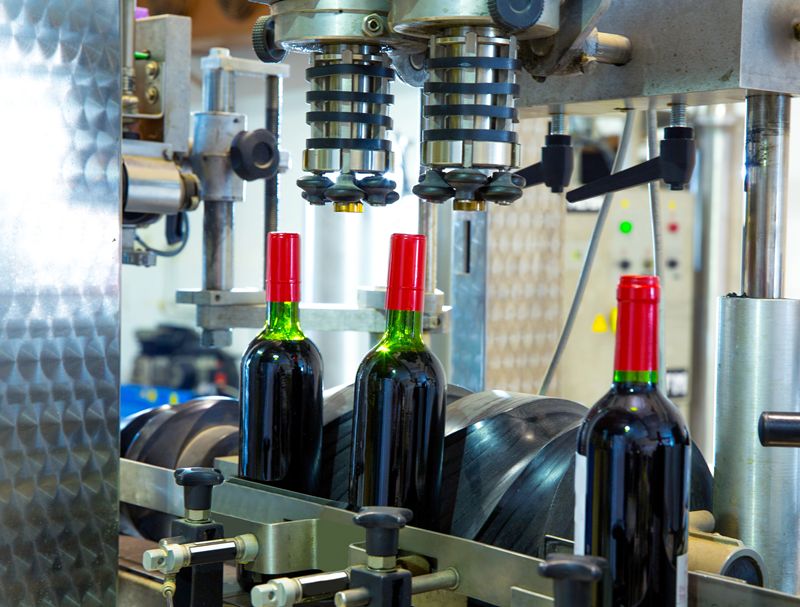
The Trump administration has narrowed the list of Canadian products subject to an additional 50% tariff under Section 338, removing some food processing and packaging machinery from the measure starting Oct. 30.
The change was made in a presidential proclamation issued Oct. 23 and applies to certain imports from Canada regardless of whether they comply with the U.S.-Mexico-Canada Agreement, according to PMMI, the Association for Packaging and Processing Technologies, which reviewed the action. The adjustment means some Canadian packaging equipment, including certain machines used to fill, close, and label bottles and cans, will no longer face the extra duty.
The move eases part of a tariff regime that had been in place for two months. PMMI said the Section 338 tariffs covered machinery imports from Aug. 22 through Oct. 29 and added more than $71 million in tariff costs to roughly $135 million in imports of affected equipment. The group said the actual cost paid may have been lower because the 50% surcharge made some purchases too expensive, leading importers to cancel or delay shipments.
By removing some machinery from the tariff list, the administration is making those imports commercially viable again, PMMI said. The group estimated the change could avoid about $9 million in tariff costs on expected imports of machinery brought in between Oct. 30 and Dec. 31.
The revised scope matters for manufacturers that rely on specialized Canadian equipment for packaging lines, especially when domestic or non-Canadian alternatives are limited, more expensive, or slower to deliver. In the beverage industry, that could affect capital spending plans for wineries, breweries, distilleries, and other drinks producers that use bottle and can filling, sealing, and labeling systems. Lower import costs do not guarantee new purchases, but they could reduce pressure on equipment budgets and make some projects easier to move forward.
The tariff relief does not amount to a broader resolution of trade tensions between the United States and Canada. PMMI said the administration has indicated that negotiations with Canada have “picked up” and that a deal could be reached before the end of the year. At the same time, the group cautioned that previous discussions have broken down at the last minute and that it is not clear whether any eventual agreement would provide further tariff relief for Canadian machinery.
That leaves importers and manufacturers in a familiar position: facing a policy environment that can change quickly and with limited certainty. For companies ordering complex production and packaging equipment, timing matters because purchase decisions are often made months before installation. A temporary tariff increase can raise project costs sharply, but a sudden exemption can also shift calculations on whether to proceed, delay, or change suppliers.
The latest revision appears targeted rather than sweeping. PMMI said some food processing and packaging machinery is no longer covered, while other machinery remains subject to the 50% additional tariff. The group’s account did not describe the change as a full rollback of Section 338 duties on Canadian machinery.
For U.S. manufacturers that continued buying during the tariff period, the past two months showed how quickly trade policy can affect equipment markets. A 50% added duty on high-value machinery can turn a planned import into an uneconomic purchase almost overnight. That is especially relevant in industries where companies depend on custom-built lines, replacement parts, or integrated systems that cannot be easily sourced elsewhere on short notice.
In beverage packaging, where plant operators often work with tight production schedules and seasonal demand, equipment lead times can influence decisions on capacity expansion, line upgrades, and maintenance shutdowns. The removal of the added duty on some Canadian bottle and can equipment may not reverse every delayed decision, but it could change the economics for buyers who were waiting for costs to come down.
PMMI said no additional tariff relief should be assumed unless it is officially published by the White House. Until then, companies that import Canadian machinery are likely to keep watching for further changes in the U.S.-Canada trade relationship as they weigh orders for the end of the year.