France removed 55,000 hectares of vines in two years because wine demand fell
Wine output rose 3% in 2026 after the disastrous 2025 harvest, leaving the vintage as France’s second-worst on record
Tuesday, November 17, 2026

Views › 517
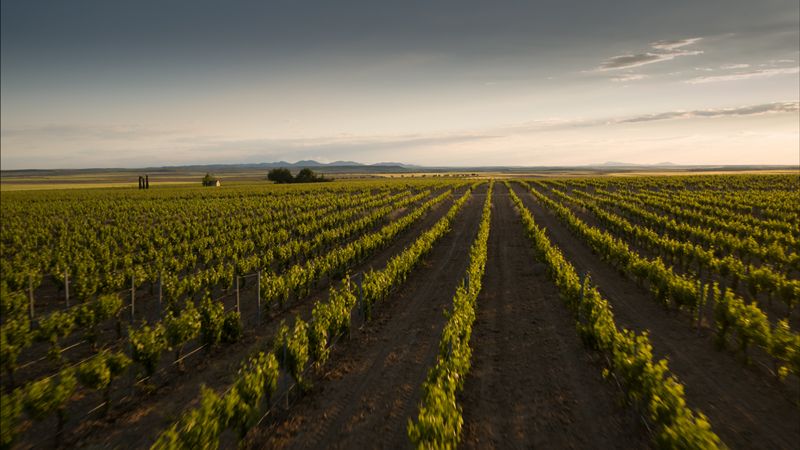
France’s wine industry posted a small rebound in 2026, but the recovery did little to change a deeper contraction in output and vineyard area as weaker drinking habits continue to reshape one of the country’s signature farm sectors.
RTL reported on Monday, November 16, that French vineyards produced 3% more wine in 2026 than in 2025, after growers finished the harvest. Even with that increase, the 2026 vintage remained historically low in volume and, according to the broadcaster’s analysis, was the second-worst year on record after 2025.
The figures point to a growing mismatch in French wine country. Vines have shown an ability to withstand repeated heat waves better than many other crops, yet producers are still pulling out large areas of vineyard because demand for wine has fallen.
Across 2025 and 2026, France removed 55,000 hectares of vines, RTL said. That amounts to more than 7% of the national vineyard area in just two years, a sharp structural adjustment for a country long associated with large-scale wine production.
The downturn is not being driven only by weather. The report said the bigger problem for growers is lower consumption of wine, which has reduced the need for output even as vineyards prove relatively resilient under hotter conditions. That combination has created what RTL described as a paradox for the sector: a crop that appears well adapted to climate change is being cut back because consumers are buying and drinking less of it.
The 2026 harvest had initially caused concern because France went through repeated heat waves during the growing season. In the end, the outcome was better than many growers had expected. That relative resilience stood out against the performance of other crops. RTL said yields for corn used in animal feed and for vegetables destined for canned and frozen products fell by 20% to 40%.
One of the clearest examples came from Languedoc-Roussillon, the country’s largest wine-producing region. Despite extreme summer heat, the region produced 25% more wine in 2026 than in 2025, according to RTL. Data cited from the weather station in Lézignan, in the Corbières area, showed that from June through August, when grapes are swelling, the average daily maximum temperature rose above 33 degrees Celsius, or about 91 degrees Fahrenheit. That was 4.5 degrees Celsius above seasonal norms.
The source of that resilience lies in the plant itself. Vine roots can reach 3 to 5 meters, allowing them to draw water from deeper layers of soil, especially after winter and spring rains. Annual crops such as corn, green beans and zucchini do not develop root systems as deep, leaving them more exposed to sharp yield losses when surface moisture disappears.
The result is that, from an agronomic standpoint, vines may be better positioned than many other crops for a warmer climate. RTL said it is even being considered that vineyards could gradually expand farther north as temperatures rise. But the economics of wine are moving in the opposite direction. Lower domestic consumption has put pressure on producers, forcing the industry to reduce planted area instead of preparing for expansion.
That matters beyond grape growers. A vineyard reduction of this size could gradually affect wine supply, sourcing strategies and competitive positions across the broader drinks business, from bottlers and distributors to importers watching shifts in French production volumes. If the contraction continues, it may alter how buyers balance French wines against supplies from other producing countries, even if weather alone is not the main cause.
The French market has been dealing for years with a long-term decline in wine consumption, part of a broader change in drinking habits. While the RTL report did not quantify that consumption drop, it presented it as the central reason behind the recent uprooting campaign. In practical terms, that means the industry is adjusting not only to climate stress but also to a smaller customer base.
For producers, the 2026 figures offer limited relief. A 3% increase from the poor 2025 harvest shows that the sector did not collapse under the summer’s high temperatures. But because the comparison starts from an exceptionally weak year, the rebound does not signal a return to previous levels of output. Instead, it underlines how low the baseline has become.
The contrast between biological resilience and market weakness is likely to remain at the center of the French wine debate. Vines may continue to hold up better than many neighboring crops in hot, dry summers, but that strength does not by itself solve the commercial pressure created by falling consumption and shrinking vineyard area.