Zorneding company develops patented process that restores wine aromas after dealcoholization
The system uses vacuum heating plus proprietary filtration to recover a wine’s own aromas, addressing a key hurdle in a market growing 44%
Tuesday, November 10, 2026

Views › 401
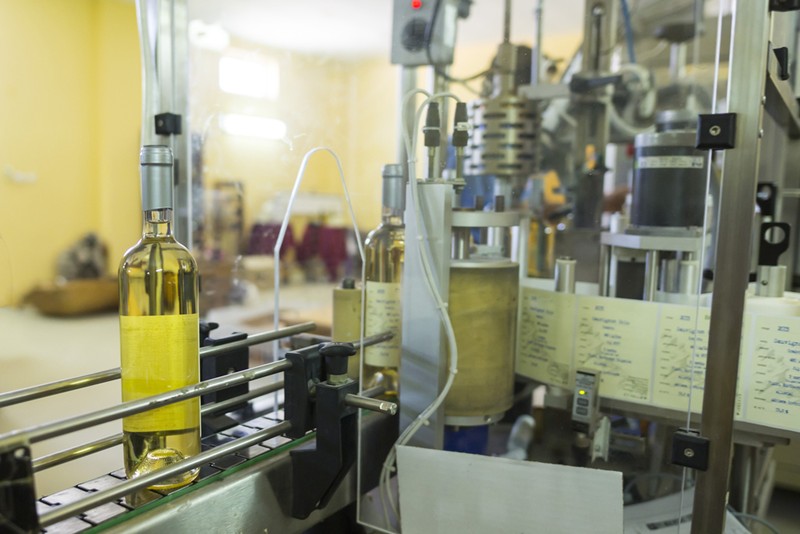
A company in Zorneding, near Munich, has developed a patented process aimed at one of the biggest problems in alcohol-free wine: how to remove the alcohol without stripping away much of the wine’s aroma and texture.
Alcohol-free beer is already common in Germany and many other markets. Alcohol-free wine has moved more slowly, in part because many of wine’s key aromatic compounds are closely tied to alcohol. When ethanol is removed, much of what gives wine its smell, body and length on the palate can go with it.
The Zorneding company’s method begins with gentle heating under vacuum, which separates ethanol from the rest of the wine at lower temperatures than a conventional process. That first step creates a dealcoholized base wine and a separate alcohol-containing fraction where a large share of the aroma compounds remains concentrated. The company says it spent about 10 years refining what came next: a solid-phase filtration system that pulls the aromas out of the ethanol so they can be returned to the alcohol-free wine.
That distinction matters under German wine law. Producers cannot simply add outside flavorings and still market the product as wine. The company’s approach is designed to preserve and reintroduce the wine’s own aroma compounds rather than adding foreign aromas. The exact composition of the filter has not been disclosed and is being kept as a trade secret.
The company offers small trial runs to wineries that want to see whether their wines are suitable for an alcohol-free version. According to BR24, about 10 liters of wine are enough for a test, which costs around 750 euros. The company also operates plants using the same system in other countries, while using the Zorneding site as a place where growers can evaluate whether a commercial alcohol-free line would make sense for their portfolios.
The work goes beyond mechanical processing. The company also uses laboratory analysis to map aromas in charts and curves and says it cooperates with other research efforts in the field. The idea is that growers could eventually select grape varieties, vineyard sites and production styles with dealcoholization in mind, instead of treating alcohol removal as a final adjustment. Claudia Geyer, who helped develop the process, said that approach could allow a wine’s place of origin and the winemaker’s individual style to carry into the alcohol-free version.
BR24 described a practical test using a Passerina white wine that had originally sold for about 10 euros. Sommelier Alexander Gottschalk, who specializes in alcohol-free wine and sparkling alternatives, tasted the dealcoholized wine first without the aroma-recovery step. He judged it light and fairly neutral, with some spice, but said it had little intensity and body and came across close to water. In the version with the aromas restored, he reported a clear change from the first smell, describing it as more expressive and more recognizably wine-like, with greater breadth on the palate and a longer finish.
A restaurant perspective was more measured, though still broadly positive. Lea Hüttenhofer of the Munich restaurant Waltz told BR24 that alcohol-free wines have improved noticeably in recent years, moving away from products that resembled sweet, fizzy grape juice. In the Passerina test, she found the version with aroma recovery pleasant and floral on the nose, but said it still lacked some depth and persistence on the palate. Her assessment was that it was solid and better than many alcohol-free options already on the market, though still short of a finished answer.
That mix of promise and limitation comes as demand for low- and no-alcohol drinks continues to rise. According to the German Wine Institute, retail sales of alcohol-free wine recently increased by 44%. Even so, the category still accounts for only about 2% of total wine revenue. The institute said one in three of the 506 businesses it surveyed already had alcohol-free products in their ranges.
The shift is also tied to changing drinking habits among younger adults. The share of 18- to 25-year-olds in Germany who drink alcohol weekly fell from 44% in 2011 to 25% in 2025, according to figures cited by BR24. That trend is pushing producers to look for products that meet demand for moderation without giving up the identity of wine altogether.
In Bavaria, the category is already gaining industrial backing. The Franconian wine cooperative GWF has put one dealcoholization plant into operation and plans to add a second, also using the Zorneding technology. Specialists cited by BR24 said wine may benefit from a path beer has already taken. In Bavaria, nearly 10% of beer is now alcohol-free, and breweries have used that segment to offset declines in other sales.
For wineries, restaurants and other beverage businesses, the technical problem of aroma loss has been one of the main barriers to making alcohol-free wine feel like a serious category rather than a compromise. If processes such as the one in Zorneding prove reliable across different grapes and styles, they could give producers a better chance to offer alcohol-free wines that still reflect grape variety, origin and house style, while giving hospitality operators more room to build differentiated lists for consumers who want wine without alcohol.