Veneto lets Valpolicella wineries start Amarone vinification nearly a month early
The authorization for the 2026 harvest also covers Recioto after regional officials found the grapes had advanced sufficiently in drying rooms
Tuesday, November 3, 2026
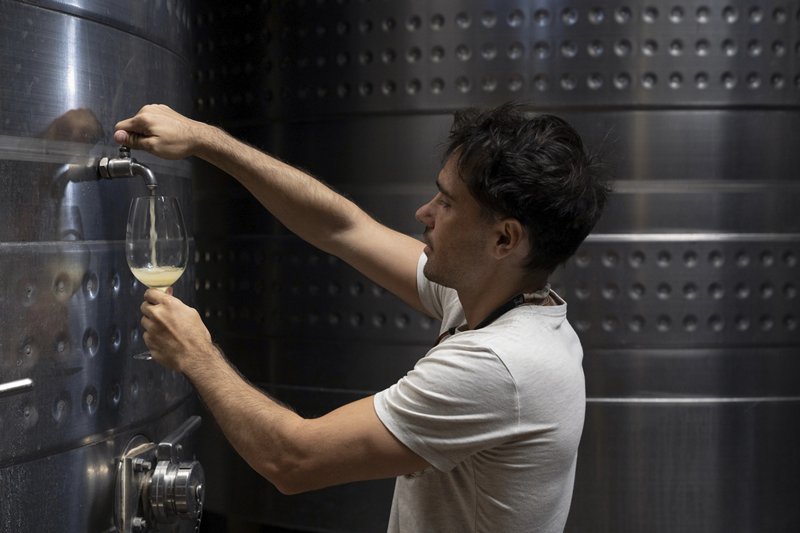
Valpolicella wineries can begin vinifying dried grapes for Amarone della Valpolicella DOCG and Recioto della Valpolicella DOCG on Monday, November 2, after the Veneto regional government moved up the start date by nearly a month from the usual December 1 deadline set in the production rules.
The measure applies to the 2026 harvest and follows a request from the Consortium for the Protection of Valpolicella Wines. Veneto approved the earlier start in Decree No. 20024 of October 16, which was published in the regional official bulletin on October 23.
Regional authorities said the decision reflected the season’s weather pattern and the condition reached by the grapes during appassimento, the drying phase that defines both wines. Technical documents reviewed by the region found that the drying process had advanced enough to allow crushing and fermentation before the ordinary start date.
The change gives producers more room to decide when each batch is ready instead of waiting until the start of December. In Valpolicella, grapes selected for Amarone and Recioto are placed after harvest in fruttai, or drying rooms, where they remain for several weeks while gradually losing water. As moisture falls, sugars and other compounds become more concentrated. Temperature, humidity and ventilation shape the speed and quality of that process, and wineries monitor those conditions closely to protect the health of the fruit.
Under the rules for the two DOCG wines, vinification normally cannot begin before December 1. But the regulations also allow Veneto to authorize an earlier date when the consortium requests it and climate conditions justify the change. That is what happened this year.
The consortium submitted its request on October 13, along with seasonal weather data, measurements on grape ripening close to harvest and monitoring results from the drying rooms. Based on that material, the region concluded that the fruit had reached a stage that made an earlier start possible.
For wineries, the move is less about accelerating every lot at once than about gaining flexibility. Not all grapes dry at the same pace. The timing can vary with the variety and condition of the bunches, the level of ripeness at harvest and the environment in which the fruit is stored. Even inside one cellar, different lots may require different schedules. Producers still have to decide, lot by lot, when the grapes have the right concentration, sanitary condition and balance for their winemaking goals.
That decision is especially important because Amarone and Recioto share the same drying technique but lead to different wines. Amarone is fermented to a dry style, while Recioto retains some residual sugar and is made as a sweet wine. In both cases, the stage reached by the grapes before crushing has a direct effect on the next steps in production.
The earlier date is also not an isolated event. Veneto had already granted a similar exception for the 2025 harvest, allowing vinification to begin on November 5, 2025. For the 2026 harvest, the start date was moved forward by another three days. The pattern points to the growing importance of technical monitoring during appassimento and to a production calendar that is becoming more responsive to the actual condition of the fruit.
That matters beyond a local procedural change. Amarone and Recioto are internationally known wine categories, and any adjustment to the timetable for their production affects two appellations with broad visibility in export markets. It is also another sign that climate conditions are shaping not only yields and grape quality, but the formal rules that govern when wineries can begin key stages of production. For the beverage industry, that kind of shift can influence cellar planning, labor scheduling and the handling of wines that occupy an important place in premium portfolios.
The regional authorization does not require all producers to start on Monday, November 2. It allows them to do so if the grapes are ready. Wineries that want more drying time can continue to wait. But from Monday, November 2, Valpolicella cellars have legal clearance to begin crushing the dried fruit for the 2026 Amarone and Recioto wines when they judge that the appassimento has reached the desired point.