Blumenau Opens Its 41st Oktoberfest With a New Munich-Style Pavilion
Running through Oct. 25, the festival is expected to inject about R$450 million into Santa Catarina’s economy.
Friday, October 9, 2026
Blumenau’s 41st Oktoberfest opened on Wednesday and will run through Oct. 25, bringing a new Munich-inspired pavilion, expanded food service and a surge of visitors that local officials and industry groups expect to ripple far beyond the festival grounds in southern Brazil.
The event is being held at Parque Vila Germânica in Blumenau, in the state of Santa Catarina. Founded in 1984, Oktoberfest Blumenau has grown into what organizers describe as the largest German festival in the Americas. Over four decades, it has drawn more than 25 million visitors, according to figures cited by the event and regional authorities.
This year’s edition is again being treated as a major economic engine for Santa Catarina. Data from the state legislative assembly, Alesc, cited by the organizers, show that each edition injects about R$450 million into the state economy. The 40th edition last year recorded a surplus of R$12 million on revenue of more than R$35 million and counted 689,000 visitors at the gates.
That spending supports hotels, restaurants and transport companies in and around Blumenau. It also reaches farm and food suppliers in the Médio Vale do Itajaí region, where dairy producers, pork processors, poultry and other local suppliers help stock the festival’s kitchens. In practice, the event links tourism with agribusiness at a scale that is unusual for a city festival.
For the beverage sector, the numbers matter because the festival concentrates demand for brewers, distributors, bars, food operators and the agricultural suppliers behind them. This year’s program includes nine local breweries and more than 130 draft beer labels, creating a large commercial window for beer sales and brand exposure while also lifting demand for glassware, logistics, refrigeration and hospitality labor.
The main physical change in 2026 is the new Festzelt, a mobile pavilion modeled on the tents of Munich’s Oktoberfest. The structure, installed at the back of the park complex, can hold about 1,200 people and covers more than 2,200 square meters. Its food operation is being led by the German brewery Hofbräuhaus, which is serving dishes including currywurst, eisbein with sauerkraut and goulash with spätzle.
Other parts of the festival grounds were also redesigned. Pavilion 4, renamed Spaten Platz, now follows a German tavern concept with communal tables, a stage and a mezzanine for ceremonies. The Galegão area continues to serve draft beer in ceramic mugs and hosts the German Dance Festival. The Boulevard Spaten Garten is operating as an outdoor food court.
Another addition is Schützen Platz, a new space for German-themed games that include air-rifle shooting, skittles, tug-of-war, beer-carrying contests and sack races. Organizers expect the broader distribution of attractions across indoor and outdoor areas to reduce lines and keep visitors inside the complex longer, a factor that can raise spending on both food and drinks.
The cultural program is also central to that strategy. The schedule includes more than 90 German dance performances, about 20 folkloric groups and international bands, along with eight parades on Rua XV de Novembro in downtown Blumenau. An extra parade has been added for the Oct. 12 holiday. The festival calendar also includes the Oktoberfest Run, with races of 3, 5 and 10 kilometers.
The event is managed by the Blumenau city government, which has increasingly framed the park as a permanent platform for regional development rather than a venue used only during the festival season. In 2025, Oktoberfest Blumenau was named Santa Catarina’s best tourism event, according to the source material published around the opening of this year’s edition.
Food remains one of the clearest links between the festival and the surrounding rural economy. Organizers say the 2026 event offers more than 150 food options, with prices ranging from R$12 for snacks to R$330 for a traditional banquet for six people. The menu includes local and German-inspired dishes such as stuffed duck, pork knuckle, sausages and regional cold cuts.
One of this year’s highlights is Kochkäse, a traditional cheese that was recognized in 2026 as an intangible cultural heritage item of Blumenau and Santa Catarina. It is being sold at a roaming stand with toppings that include bacon, sausage and dulce de leche. The cheese is made from milk produced on family farms in the Vale do Itajaí, and organizers are presenting it as an example of how local food traditions can move from small-scale rural production into a large urban tourism event.
Pork products also have a strong presence. Linguiça Blumenau, a sausage identified with the region, is featured in traditional forms and in novelty offerings, including a sausage popsicle filled with mozzarella. According to the source report, slaughterhouses, poultry farms and processed meat producers in the region see measurable increases in activity in the weeks leading up to the event.
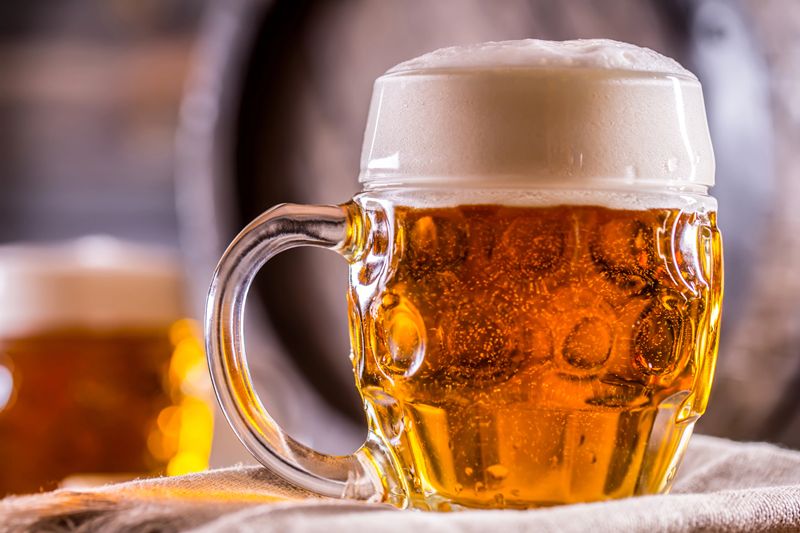
The beer offer remains central to the festival identity. Draft beer from the official brewery is being served in 500-milliliter and 1-liter glass mugs in the Galegão and Festzelt areas. The scale of operations gives local and partner breweries a rare chance to sell directly to large crowds over 19 consecutive days, six of them with free admission, which can broaden access and help sustain high traffic through the full run of the event.
Organizers have also made some operational changes tied to visitor comfort and public service. They expanded free filtered water stations and added menu options without gluten, lactose or meat. That wider food range reflects an effort to make a traditional beer-centered festival more accessible to families and tourists with different dietary needs.
The event’s ceremonial court this year includes Queen Letícia Zonta Madureira, First Princess Nicoli Heinzen Lucas Gassen and Second Princess Luana Oenning. Throughout the festival, they will appear at parades and official activities that remain a visible part of the celebration’s traditional format.
Beyond the festival itself, local tourism officials and rural businesses see Oktoberfest as a gateway to the Vale Europeu region, where family farms, agro-industries and fishing properties form part of the visitor economy. That means some of the commercial effects may continue after the last day of the event, especially for businesses tied to lodging, beverages, food processing and rural tourism routes.
For now, the immediate test is whether the 2026 edition can match the strong attendance and revenue seen last year while absorbing more visitors into its expanded layout. With the new pavilion open, a larger food program in place and a broad roster of beer brands on site, Blumenau is once again using Oktoberfest not just as a cultural celebration, but as one of Santa Catarina’s most concentrated annual drivers of spending across tourism, brewing and regional food production.