Snowbird Group Warns Canadians to Leave Alcohol Home After U.S. Ban Takes Effect
The association said even small personal supplies could be confiscated, leaving snowbirds to buy beer, wine and spirits after arrival.
Friday, October 2, 2026
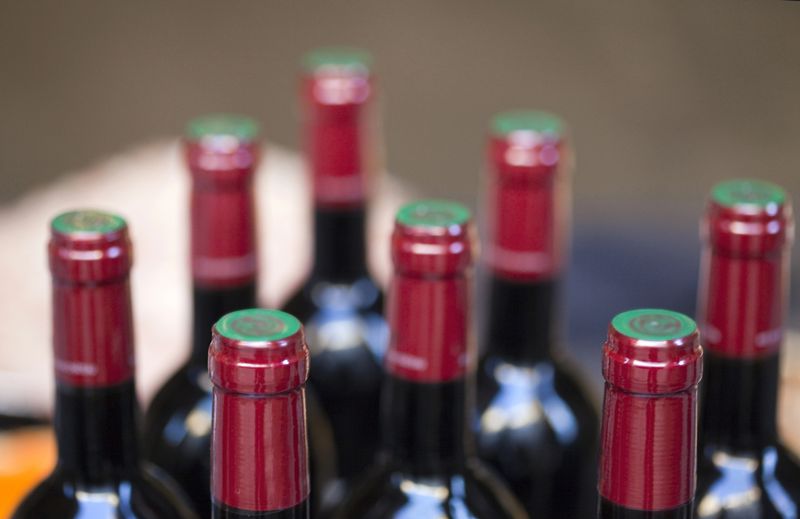
The Canadian Snowbird Association has told travelers heading to the United States to leave Canadian beer, wine and spirits at home after a new U.S. ban on most Canadian-made alcohol took effect on Sept. 29.
The group, which represents Canadian travelers and seasonal residents known as snowbirds, said the measure began at 12:01 a.m. EST and could affect people who are used to carrying personal supplies of alcohol across the border. Its warning goes beyond liquor. The association also advised travelers not to bring any Canadian-origin product that is now covered by the U.S. restrictions.
According to the association, the alcohol ban applies to packaged beer, sparkling wine, many table wines, cider, sake, rum, vodka, gin, and certain whiskies and other spirits made in Canada. Money.ca reported that the broader trade action also covers some products that travelers may not expect, including whey protein products, molasses, non-alcoholic beer, motorcycles and fishing rods.
The U.S. move stems from a Sept. 8 proclamation signed by President Donald Trump. The White House said the administration escalated from tariffs to an import ban after Canadian provinces kept American alcohol off government store shelves and Saskatchewan announced a 50% levy on U.S. alcohol. The association said that, for travelers, the practical effect is simple: goods that were once routine to carry across the border may now lead to extra scrutiny or confiscation.
In economic terms, the affected trade is relatively limited compared with the full scale of U.S.-Canada commerce, but the alcohol share is large within this action. Money.ca, citing analysis by the American Action Forum, said the ban covers about US$967 million in Canadian imports and that alcohol accounts for 87% of that total. That means the policy is not only a travel issue. If it stays in place, it could force U.S. importers, distributors and retailers to adjust orders and inventories for Canadian spirits and other alcoholic drinks, while Canadian producers may face pressure on prices, shipments and contract terms.
One of the biggest unanswered questions is whether the ban will be enforced against small personal quantities. Under normal U.S. Customs and Border Protection rules, Canadians age 21 and older can bring 1 liter of alcohol into the United States duty-free for personal use. But the association said those standard rules were written for goods that are allowed to enter, not for goods that are banned. It said Trump’s proclamation does not create a clear exemption for personal-use quantities and instead leaves enforcement details to CBP through future rules and guidance.
That uncertainty is why the association is urging travelers to act conservatively. It said the most likely result of carrying banned items into the United States is confiscation, but it warned that failing to declare alcohol, food or agricultural products can bring penalties and seizure. For frequent crossers, the stakes can be higher because a violation can also threaten trusted-traveler status, including NEXUS privileges.
The association’s warning comes at the start of the southbound season for many retirees who spend part of the year in warmer U.S. states. For that group, the advice is operational as much as legal. It told members to clear out trunks, RV storage areas and coolers before leaving, check labels on packaged food and supplements, and declare any doubtful item to border officers. It also advised travelers to plan to buy wine, beer and spirits after arriving in the United States instead of transporting them from Canada.
The trade dispute is also reaching into categories outside alcohol. The association said the dairy-related part of the U.S. action covers 52 products, including liquid and powdered forms of whey. That matters for travelers who routinely carry protein supplements, because products that look like ordinary personal items may still fall under the ban if they are Canadian in origin. The White House has described that measure as retaliation for Canada’s 50% tariffs on U.S.-produced dairy products.
Canadian travelers returning home will still face the usual Canadian limits, not new ones. According to the Canada Border Services Agency, people who have been outside Canada for at least 48 hours can bring back 1.5 liters of wine, 1.14 liters of spirits or 8.5 liters of beer free of duty and taxes. The Canadian Snowbird Association said travelers should keep watching for further guidance from both CBP and the association itself because enforcement details could still change.