A Spring Freeze Slashed Virginia Grape Yields Across Wine Country
At one Northern Virginia winery, white-grape output fell from a usual 13 to 16 tons to just 0.75 ton after drought compounded losses.
Friday, October 2, 2026

Views › 2918
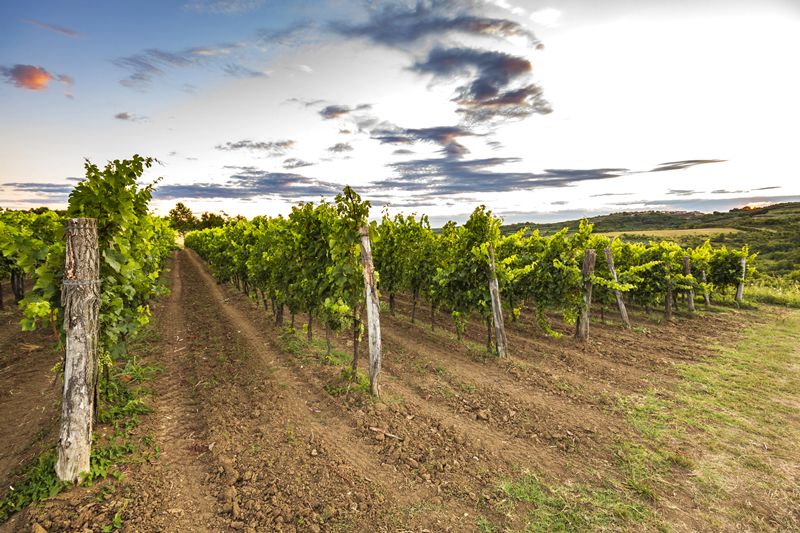
Wineries in Northern Virginia and elsewhere in the state say a spring freeze followed by summer drought sharply reduced grape production this year, cutting yields at some vineyards to a fraction of normal levels and exposing how vulnerable Virginia winegrowing remains to abrupt weather swings.
The most damaging event came early on April 21, when temperatures fell into the low 20s after an unusually warm stretch had already pushed vines into a sensitive stage of growth. Growers said the cold hit tender new shoots and clusters that had emerged early, causing losses that differed widely by location, elevation, and grape variety.
At 8 Chains North in Waterford, owner and winegrower Edz Sturans said the freeze caused severe damage to the vineyard’s white grapes. In a typical year, the winery harvests 13 to 16 tons of white varieties. This year, it brought in only 0.75 ton. Sturans said red grapes were still on the vine when he assessed the season, but he estimated the vineyard would produce only about 15% of its usual red-grape crop.
Sturans said the vines themselves largely survived, which leaves open the possibility of a stronger 2027 harvest. For now, though, the reduced crop means far less fruit available for winemaking. For small and midsize wineries, that can translate into fewer bottles to sell in future vintages and less flexibility in inventory planning.
The freeze was not the only problem. Growers described 2026 as a year of repeated weather disruptions. At Barboursville Vineyards, winemaker Luca Paschina said it was the most erratic growing season he had seen in 37 years at the estate. He said the first major setback came in early February, when overnight temperatures dropped into the single digits. An ice storm and later snowstorms made it harder for crews to reach vineyard rows and complete pruning work.
Then came a warmer-than-normal March, which accelerated budbreak. That left vines more exposed when the late-April freeze arrived. Paschina said the frost reduced Barboursville’s crop by about 30%. Drought later in the season accounted for another 10% of losses and also led to smaller berries than usual.
Even with lower yields, Paschina said grape quality ranged from very good to exceptional. Barboursville declared 2026 an Octagon vintage, the designation used for its flagship Bordeaux-style red blend. He also said the winery has enough inventory to continue supplying the market through spring 2028, when some wines from the 2027 harvest are expected to be released.
That inventory cushion is not available everywhere. Smaller operations with lighter reserves may face tighter supply in the coming years if this year’s fruit losses show up in lower production volumes. For the beverage industry, the season offers a clear example of how frost and drought in a single growing region can quickly limit grape availability, potentially affecting release schedules, sourcing decisions, and pricing if shortfalls persist.
At Linden Vineyards, winegrower Jim Law said the damage was highly uneven and depended on where vines stood on the hillside. He said vines in the lowest section of the vineyard lost between 50% and 90% of their crop, while vines at mid-slope and higher elevations escaped major damage. The pattern reflects a basic risk in vineyard geography: cold air settles in lower ground, while better air movement higher up can protect vines during spring freeze events.
That difference in topography also appears to explain why some nearby vineyards avoided major losses. At Crimson Lane Vineyards in Linden, owner Tom Herrity said the site suffered minimal damage from the freeze. He credited the vineyard’s elevation and slope, saying the land was chosen in part because natural airflow helps reduce frost pooling.
Herrity said the winery felt fortunate, while also acknowledging the effect the freeze had on neighboring vineyards across the Virginia Piedmont. His comments underscored how uneven the season has been, even among properties located close to one another.
The season may also influence how growers think about adaptation. Vineyards cannot control late freezes or drought, but site selection, row access, pruning timing, and other management decisions can shape how much damage follows an extreme weather event. In Virginia, where warm spells can arrive before the risk of frost has passed, that balance has become more difficult.
For consumers, the effects of this year’s weather may not be immediate at every winery because many producers release wines over several years and some, like Barboursville, have inventory in reserve. But for vineyards with steep crop losses, the smaller harvest will likely be felt later in the form of reduced case production and fewer wines available from the 2026 vintage and beyond.
At 8 Chains North, the numbers already show the scale of the hit. A white-grape harvest that normally reaches well into the double digits in tons fell to less than one ton after the April freeze, and the expected red crop is only a small share of a normal year. Other growers reported less severe losses, but the season left little doubt that one freeze, followed by dry conditions, was enough to reshape the year’s production across much of Virginia wine country.