OIV pegs 2026 global wine production at 225 million hectoliters
The preliminary estimate would keep output 7% below the five-year average for a fourth straight year, with Spain bucking declines elsewhere
Thursday, November 19, 2026

Views › 595
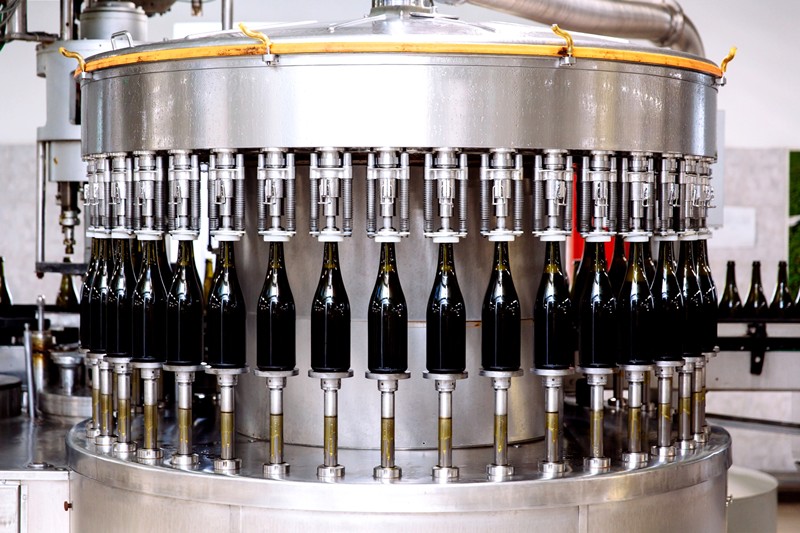
Global wine production is estimated at 225 million hectoliters for the 2026 harvest, a level that would keep output below its recent norm for a fourth straight year, according to new figures published by the International Organisation of Vine and Wine.
In a communiqué released Wednesday, November 18, and in its World Wine Production Outlook 2026, the OIV said its central estimate for this year’s global wine production stands at 225 million hectoliters, within a range of 220 million to 230 million hectoliters. The estimate covers wine only and excludes juices and musts.
The organization said that level would place world production about 7% below the average of the previous five years. The result points to a continued adjustment in supply after several weak harvests, although conditions varied sharply among the largest producing countries.
Spain was one of the main exceptions. The OIV estimated Spanish wine production at 32.6 million hectoliters in 2026, up 13% from 2025 and 2% above its five-year average. That recovery stands out against declines in several other major producers and could affect the volume of wine available for export from the world’s leading suppliers.
Italy, still the largest producer in the figures released by the OIV, was estimated at 41.0 million hectoliters. That is down 8% from 2025 and 10% below the country’s five-year average. The United States was projected at 19.0 million hectoliters, down 5% from 2025 and 18% below its five-year average. Australia was estimated at 9.1 million hectoliters, down 19% from 2025 and 23% below its recent average.
The OIV said the percentages were published from more precise underlying calculations than the rounded volume figures shown in its tables. That means the percentage changes do not always align exactly with simple calculations made from the rounded numbers.
The latest estimate adds to evidence that the global wine sector remains in a period of constrained production. Four consecutive years below the recent average suggests that weaker harvests are no longer an isolated event. Even so, the 2026 picture is uneven. Spain’s rebound contrasts with declines in Italy, the United States and Australia, showing that national outcomes continue to depend heavily on local growing conditions.
That divergence matters for trade. Europe’s biggest exporters, especially Italy and Spain, play a central role in global supply. A stronger Spanish harvest could improve its export availability, while a smaller Italian crop could limit flexibility in some segments. Lower output in the United States and Australia may also reduce supply from those origins. But the OIV figures do not on their own indicate what will happen to prices, because consumption trends and existing inventories also shape the market.
The OIV presented the 2026 figures as preliminary estimates. They are based on data from countries that account for about 95% of world wine production. As with any early harvest estimate, revisions remain possible as more complete national information becomes available.
The published material also contained a discrepancy on the year-over-year global change. The November 18 communiqué referred to a worldwide decline of close to 1% from 2025, while the outlook report cited a 0.4% drop. Both documents matched on the central production estimate of 225 million hectoliters, but the differing annual rates mean the exact global change from 2025 remains unclear based on the OIV’s current publications.
Even with that inconsistency, the broad message of the report is clear. World wine production remains low by recent standards, and the 2026 harvest does not mark a full return to average levels. The OIV’s estimate suggests that the market will continue to operate with tighter production than in much of the previous decade, while the balance among major producing countries shifts.
For producers, exporters and buyers, the national breakdown may be as important as the global total. Spain’s recovery could support a larger presence in export markets after a weaker year, while lower volumes in Italy, the United States and Australia may affect product mix, contract availability and shipment patterns. Those shifts are likely to be watched closely across the trade, especially in a market where supply is only one side of the equation and demand has also been changing.
The OIV did not attach a monetary value to the estimate, and the indicator is measured only in millions of hectoliters for the 2026 harvest. Its release focuses on physical production rather than prices, revenue or trade value. Still, the figures provide one of the main early guides to how much wine the world is likely to have available from the current crop and where that supply is coming from.