California wineries confront an 18% slump in demand despite vineyard removals
Speakers in Napa said surplus inventories could take years to clear because U.S. wine sales remain weak
Sunday, November 15, 2026

Views › 560
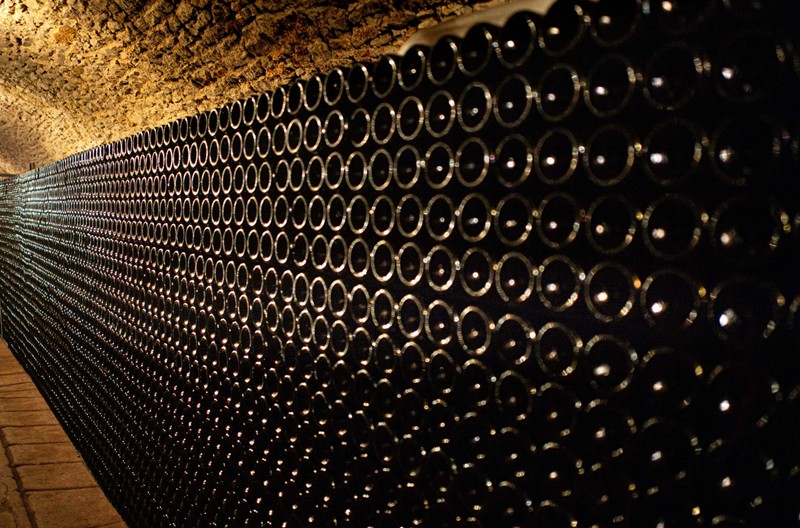
California’s wine industry is cutting vineyard acreage and working through a large surplus of unsold wine, but speakers at a symposium in Napa on Tuesday, Nov. 10, said the harder part of the recovery is demand. Consumer sales are still declining, even as supply has started to tighten, leaving producers with too much capacity and too much older inventory after years of expansion built on growth that did not arrive.
At the Wine Industry Financial Symposium, hosted by WineBusiness and CalCPA at the Culinary Institute of America at Copia, Jeff O’Neill, founder and chief executive of O’Neill Vintners & Distillers, said many producers had invested for annual sales growth of 4%-5% that never materialized. He said the industry is now adjusting to wine demand that is about 18% lower than it was five years ago. O’Neill told attendees that the business is likely to recover at a smaller scale and argued that producers need to make wine easier to understand and more relevant to consumers rather than rely only on cost cutting.
That view matched other forecasts presented at the event. Analysts pointed to a prolonged bottom in U.S. wine demand through 2027 and 2028, followed by only modest growth. Audra Cooper, a vice president at Turrentine Brokerage, said vineyard removals are helping bring supply closer to consumption, but she estimated it would still take another eight to 12 months to clear aging excess wine from the market. Beverage alcohol consultant Danny Brager said sales trends have become more stable, though they remain below year-earlier levels.
Fresh data released on Tuesday, Nov. 10, by SipSource, a service of the Wine & Spirits Wholesalers of America, underscored the weak demand picture. U.S. wine volume sold by distributors to retailers, bars and restaurants fell 6.7% in the three months through September, while revenue fell 4.2%. Wines priced below $13 continued to struggle, and distribution losses added to the decline.
The supply adjustment is visible in California vineyards. Cooper said the state’s bearing vineyard acreage is on track to fall by roughly one-quarter between 2020 and 2027. LandIQ found 439,115 acres of existing vineyards statewide as of Aug. 1, with 47,229 acres removed in the prior 12 months, nearly 10% of the total. That was up from 38,000 acres removed in the preceding period. In the North Coast, more than 8,000 acres were taken out, or almost 6% of the region’s total. Napa County had 41,998 standing acres and 2,944 removed, a 6.6% reduction. Sonoma County had 55,893 standing acres and 3,523 removed, a 5.9% reduction. Lake County lost 667 acres, or 5.6%, and Mendocino County lost 811 acres, or 4.8%.
Even with those cuts, excess wine remains a major obstacle. Cooper said Turrentine had about 25 million gallons of bulk wine listed for sale, up from about 20 million gallons a year earlier, though down from a peak near 33 million gallons earlier in 2026. She said buyers have shown little interest in wine from the 2024 vintage or earlier, a sign that older inventory is still weighing on the market.
O’Neill said California wineries are carrying 30%-35% more production capacity than the market needs. He estimated that a 2026 crush of about 2.3 million tons could produce less wine than the market is currently consuming, but he said that would not immediately solve the imbalance because tanks and warehouses still hold large volumes from earlier vintages. Industry analyst Jon Moramarco estimated in October that California winery stocks stood at nearly 888 million gallons at the end of 2025, equal to 22.1 months of shipments, compared with a long-run average of 18.5 months. Under his model, inventories could return to that historical average by the end of 2028 if statewide crushes average about 2.3 million tons a year from 2026 through 2028 and domestic shipments of California wine fall 5% in 2026 and 4% in each of the following two years.
The annual crush is moving lower, though not yet low enough to erase the overhang quickly. Cooper estimated the 2026 crush at about 2.3 million tons statewide. She said the El Niño weather cycle could lift the size of the 2027 crop somewhat. The 2025 crush totaled 2.62 million tons statewide and 436,000 tons in the North Coast, each down just over 8% from 2024.
While the broad market remains weak, some parts of the business are performing better. Brager said smaller package sizes, some lighter white wines and selected premium wines are showing growth. Data from Moramarco’s MarketPour presented at the symposium showed direct-to-consumer wine volume fell 8.8% in the 12 months through September, while revenue declined only 1%. Wines priced at $100 or more a bottle posted a 1.3% increase in volume and a 9.3% increase in revenue.
Consumer research presented by NIQ also suggested the decline is not simply about younger adults walking away from alcohol. Kaleigh Theriault, NIQ’s director of thought leadership for beverage alcohol, said 72% of the declines the firm examined came from fewer purchase occasions, while 28% came from fewer buyers. Spending per occasion was higher and partly offset the drop. She said younger consumers still drink, but they approach alcohol more deliberately and expect a clearer value proposition.
That shift matters beyond wineries. A slow reset in U.S. wine inventories can affect bulk wine prices, distributor priorities and the amount of shelf space available to imported wines and other beverage categories competing for the same consumer spending. If the adjustment takes longer than producers expect, it could continue to pressure lower-priced wine and shape opportunities across the broader drinks business.
O’Neill said wineries should respond by removing some of the complexity around wine, from rigid service rules to tasting-room language that can alienate casual drinkers. He also argued that sustainability and transparency can help rebuild trust. He said all roughly 125 growers supplying his company, representing about 15,000 vineyard acres, are certified sustainable. About 4 million bottles across two of the company’s brands now carry ingredient labels, and he said broader adoption is the goal as wineries try to compete more effectively not just with one another, but with beer, spirits and other beverages seeking the same customers.