Cherbourg-en-Cotentin Approves Auction of 1,212 Bottles From a Municipal Wine Cellar
Officials say the Bordeaux-heavy cache no longer serves a public purpose, with poor storage likely to steer bidding toward collectible value
Saturday, November 7, 2026
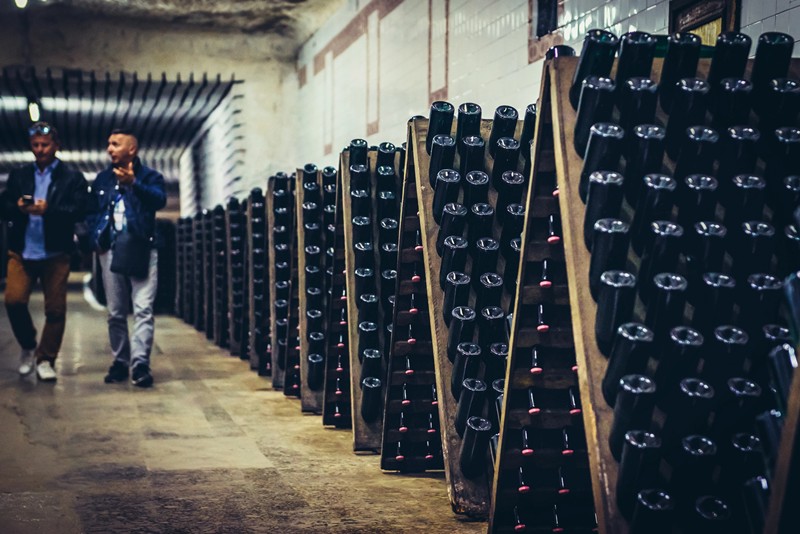
Cherbourg-en-Cotentin’s city government in northwestern France is preparing to auction 1,212 bottles from a municipal wine cellar after local officials said the collection no longer serves a public purpose and could bring in money for the city.
The city council approved the plan on Tuesday, November 3, after the bottles were discovered during the summer by the new municipal administration, according to the French wine publication La Revue du vin de France. The stock had been stored in city cellars and appears to consist largely of age-worthy Bordeaux wines bought years ago.
The inventory shows a strong concentration of bottles from the Bordeaux region. It includes 234 bottles of Pomerol, 203 bottles of Médoc, 138 bottles of Saint-Émilion and 92 bottles of Graves. The cellar also holds 91 bottles of Margaux and 91 bottles of Saint-Estèphe. Most of the wines date from the late 1990s and early 2000s.
City officials have not given a precise estimate of what the full collection might be worth. Before any sale takes place, an auctioneer is expected to assess the bottles and set values. The auction is being considered for January 2027.
The exact origin of the cellar remains unclear. Anna Pic, a Socialist lawmaker who also serves on the municipal council in opposition, told local media that the collection was likely built up gradually for official receptions. Some of the bottles may also have been bought when prices were lower, making them more affordable for the municipality at the time.
Mayor Camille Margueritte defended the sale as a matter of basic financial management. In comments reported in France, she said the city has no reason to keep the bottles and should instead make use of their value. The decision reflects a broader effort by the new administration to review inherited municipal assets and determine whether they should be retained or sold.
A major uncertainty is the condition of the wines themselves. The municipal deliberation approving the sale said the bottles appear to have been stored in conditions that were “less than optimal.” Because officials cannot give sufficient assurances about how the wines were kept over time, the bottles will be offered as collectors’ items rather than guaranteed drinkable wine.
That distinction could shape both demand and price. Mature Bordeaux from well-known appellations can attract bidders, especially when the wines come from vintages that are now difficult to find in regular retail channels. But buyers usually place high value on storage history, fill levels, label condition and proof that the bottles were kept in a stable cellar environment. Without those guarantees, the city is expected to market the bottles primarily for their collectible interest.
The sale has drawn attention in France because of both the size of the stock and the fact that it belongs to a municipal government rather than a private collector, restaurant or company. Public wine cellars of this scale are unusual, and the discovery has raised questions locally about how such a large reserve remained in place for years with no broader public awareness.
Cherbourg-en-Cotentin is a port city in Normandy, and its municipal government oversees a wide range of public assets. The newly identified cellar adds a rare and somewhat symbolic item to that list: a cache of old Bordeaux that may now be turned into cash through the auction market instead of being used for civic hospitality.
For now, the next step is the appraisal. Once the auctioneer completes the valuation, the city is expected to decide how to organize the January 2027 sale and how the bottles will be grouped for bidding. The final proceeds will depend not only on the reputations of the appellations in the cellar but also on how buyers judge the risks tied to uncertain storage conditions.