Thieves Steal 30,000 Bottles From Antinori Winery in Tuscany
The haul, valued at 5 million euros, was reportedly removed in two trucks by a group suspected of inside knowledge.
Thursday, October 15, 2026
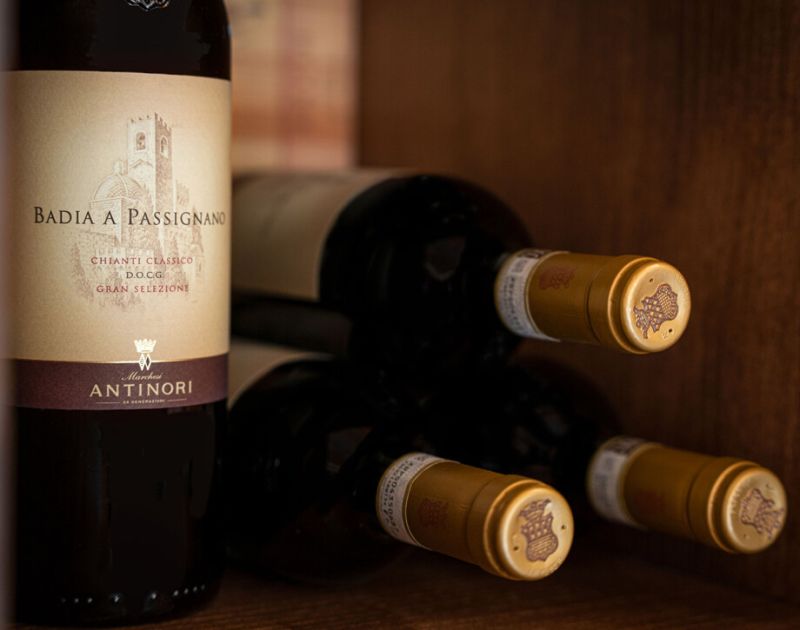
A major theft at one of Italy’s best-known wine producers has left 30,000 bottles missing and losses estimated at 5 million euros, according to a report published by the Spanish newspaper La Rioja.
The bottles were taken in recent days from the Italian winery Marchesi Antinori, a historic producer based in Tuscany. The theft took place at the company’s facilities in Cortona, a town in the region, and the stolen wine was removed in two trucks, the report said.
La Rioja reported that the operation was carried out by a group of at least seven people. The scale of the theft, the speed of the operation, and the apparent lack of mistakes have led to suspicion that the group had detailed prior information about the warehouse and its defenses. According to the report, the thieves appeared to know the security system used at the storage site and also had specific knowledge of the wines kept there.
That detail has become central to the case because the value of the missing stock suggests the group did not act at random. A theft involving 30,000 bottles requires planning, transport capacity, time on site, and a clear understanding of which products can be resold quickly on legal or illegal markets. Wine at this price level often moves through specialized distribution channels, private collectors, restaurants, and export networks, which can make the recovery effort difficult once the bottles are removed and dispersed.
Marchesi Antinori is one of Italy’s most prestigious wine houses. Founded in 1385, the company has remained under the control of the same family for 26 generations, according to the report. That long history has made the winery one of the country’s most recognizable names in the sector, with a reputation built on premium wines and a strong presence in both domestic and international markets.
The size of the loss has drawn attention not only because of the value involved but also because it affects a business that operates in a product category where age, origin, and provenance are part of the price. In high-end wine, stolen inventory can pose problems beyond the immediate financial damage. If bottles reappear without clear traceability, buyers, merchants, and auction houses may face questions about authenticity and legal ownership.
The reported use of two trucks also suggests the group was prepared for a large-volume removal rather than a small, targeted theft of a few rare labels. Moving 30,000 bottles means handling heavy cargo, organizing loading teams, and coordinating departure routes. Investigators typically look at whether such operations involved surveillance of the site in advance, local logistical support, or help from someone familiar with warehouse routines.
The reference in the report to knowledge of the security system is likely to increase scrutiny of internal procedures, access controls, and the movement of staff and contractors around the storage area. In cases involving valuable agricultural or luxury goods, investigators often examine recent changes in staffing, outside maintenance work, transport schedules, and any previous incidents that may have exposed weaknesses in the site’s defenses.
No further official details on arrests or recovery of the wine were included in the report. It was also not clear from the information published how long the group remained on the property, whether alarms were triggered, or how the trucks left the area without immediate interception.
The case has added to concerns in the wine industry about organized theft aimed at premium stock. Unlike ordinary retail products, fine wine combines portability with high unit value, and bottles can be separated from original pallets or packaging and moved through different jurisdictions. That makes early identification and rapid information-sharing important for producers and distributors once a theft is discovered.
For Marchesi Antinori, the incident strikes at both inventory and reputation, even if the company itself is not accused of any security failure. A producer with centuries of history and global visibility is likely to face pressure to review protection systems across warehouses and transport operations as the investigation continues in Tuscany.