E.U. Agriculture Committee Backs Farm Promotion Aid for Wine and Meat
Lawmakers urged funding at least at 2026 levels before the full Parliament considers the measure later this month.
Friday, October 9, 2026

Views › 3883
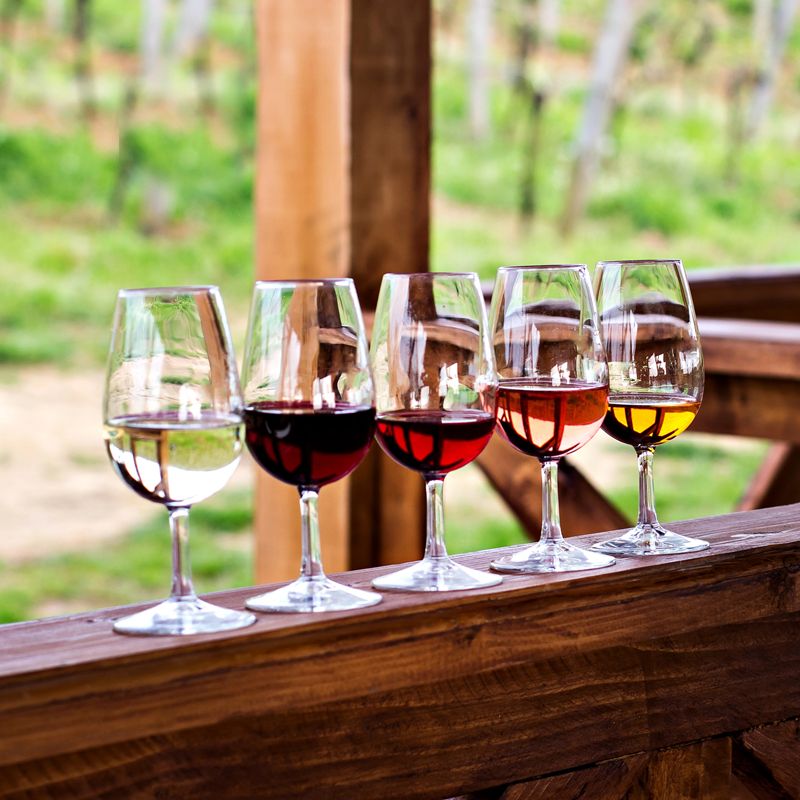
European lawmakers are pressing to strengthen the European Union’s farm promotion policy as the bloc debates its next annual program, with the Agriculture Committee of the European Parliament backing a report that calls for steady funding and continued support for wine and meat.
The committee, known as Comagri, approved the initiative report on October 5 in Strasbourg by 37 votes to 7, with 1 abstention, according to Agra Europe. The text now moves to the full Parliament, where it is expected to be considered during the chamber’s second October plenary session, scheduled for October 19 through October 22.
At the center of the committee’s position is a call to preserve EU promotion funding at least at 2026 levels. Lawmakers also asked for easier access to financing and lighter administrative procedures for applicants. In addition, they said approved campaigns should be allowed more flexibility to shift products, funding, or target markets if market conditions change or if geopolitical events disrupt original plans. The committee also suggested allocating more money to so-called multi programs, which involve partners from more than one member state.
The report comes as the EU is discussing its 2027 annual promotion program and as farm groups warn that funding could fall sharply next year. The issue was also on the agenda of a meeting of the expert committee dedicated to the promotion policy on October 7, according to the report by Agra Europe.
One of the most politically sensitive points was whether wine and meat should remain eligible under the promotion program. Members of the agriculture committee said both sectors should continue to qualify. Salvatore De Meo, the Italian lawmaker from the European People’s Party who serves as rapporteur on the file, said the committee had defended equal treatment for all eligible agricultural sectors and products, including meat and wine, without discrimination.
That position is closely watched by the drinks industry because the combination of product eligibility and budget levels can shape whether wine producers continue to have access to public funding for campaigns aimed at defending or expanding their position in foreign markets. If either eligibility rules or funding were tightened in future programs, parts of the beverage sector could face a harder path to financing export promotion.
The committee’s vote was welcomed by agricultural stakeholders in Brussels, who see it as a signal to the European Commission not to weaken the program. In a statement issued on October 6, the farm policy groups Farm Europe and Eat Europe said the Parliament’s report sent a clear message in favor of a sufficient budget. They argued that if the EU wants to strengthen its farm sector and increase its presence in global markets, political ambition must be matched by stable and adequate financial resources.
The main EU farm lobby Copa-Cogeca, which represents agricultural organizations and cooperatives, also backed the committee’s stance and shifted attention to national governments. The group said member states would need to show the same level of ambition when they vote on the amending letter to the draft 2027 EU budget and ensure that enough money is available for promotion programs.
The debate over the promotion policy goes beyond budget size. Supporters of changes say the current system can be too rigid for companies and producer groups operating in volatile markets. A campaign designed for one destination can lose relevance quickly if trade conditions shift, consumer demand changes, or geopolitical tensions affect a market. By asking for more flexibility after approval, lawmakers are trying to make the program more usable for sectors that depend on timely marketing decisions.
The Parliament’s initiative report does not itself set the final annual budget, but it adds political pressure as the Commission and member states work through the 2027 program. The full Parliament’s upcoming vote will show whether the agriculture committee’s line commands broader support, especially on the question of keeping wine in the list of eligible products and maintaining spending at current levels.