Democratic victories revive hopes for U.S. wine and spirits exports to Canada
Provincial control of liquor sales could still delay any return after exports to Canada fell 70% for spirits and 78% for wine
Saturday, November 7, 2026
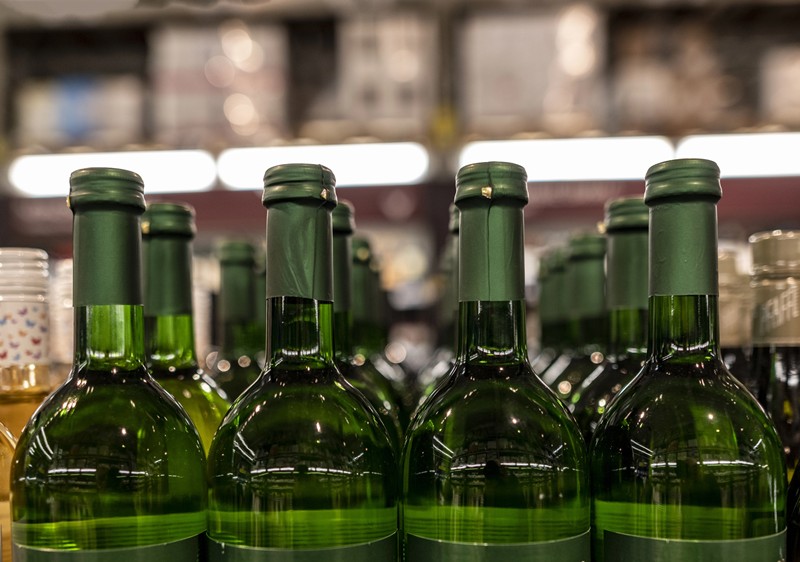
A shift in Washington after the U.S. midterm elections has raised hopes in the drinks industry that a trade dispute keeping many American wines and spirits off Canadian shelves could begin to ease. But there is no confirmed reopening of the market, and even if federal talks advance, any return of U.S. alcohol to stores in Canada would still depend heavily on decisions by provinces and territories that control much of the country’s retail system.
Democrats have won control of both the House of Representatives and the Senate, and the new Congress will take office in January 2027. That gives lawmakers more room to challenge the Trump administration’s trade policy as Washington and Ottawa continue talks on a broader agreement. Canadian Prime Minister Mark Carney has said progress has been made, but no deal has been finalized.
For American wine and spirits producers, the dispute has already caused deep losses. After the United States imposed tariffs on Canadian goods in early 2025, Canada retaliated by pulling U.S.-made alcoholic drinks from liquor stores and other retail outlets. In Quebec, the provincial retailer SAQ removed all U.S. alcoholic beverages from its stores and website in March 2025 at the request of the provincial government. It also stopped supplying grocery stores, bars and restaurants. SAQ said its inventory of U.S. products was worth about C$27 million.
The effect on exports was immediate and severe. According to the Distilled Spirits Council of the United States, U.S. spirits exports to Canada fell 70% year over year between the start of provincial sales bans in March 2025 and December 2025. Canada, which had been the second-largest export market for U.S. spirits in 2024, fell to sixth place in 2025.
Wine producers saw a similarly sharp decline. The Wine Institute said Canada accounted for 36% of all U.S. wine exports in 2024, worth about US$460 million. After American wines were removed from most Canadian retail shelves in March 2025, exports to Canada fell 78% to US$103 million in 2025, a drop of US$357 million. By June 2026, the institute estimated lost export value had reached about US$522 million compared with what shipments would have been if 2024 monthly export levels had continued.
The trade disruption has been especially painful for smaller wineries, according to the Wine Institute, which said many family-owned producers had spent years building relationships with Canadian importers, retailers and consumers. When the bans took effect, those wines disappeared from shelves and established sales channels were interrupted, opening space for competitors.
That shift is already visible in Quebec. SAQ figures show France’s share of still wine volume sales rose from 33% in 2025 to 34.6% in 2026. Italy’s share increased from 23.3% to 24.2%, while Spain’s rose from 11.2% to 12%. Canadian wines also gained ground, rising from 3.7% to 4.1%. Chile and Portugal posted gains as well. U.S. wines, which represented 6% of SAQ sales in 2025, did not appear in the 2026 figures after they were withdrawn.
SAQ said the removal of U.S. wines pushed some consumers to try alternatives, including domestic products. That means any reopening of the Canadian market could do more than restore a lost export outlet for American producers. It could also reshape shelf space, distributor relationships and competitive positions across the wine business, affecting Canadian producers and European suppliers that expanded their presence during the dispute. Spirits producers would face a similar fight to win back placements and retail attention.
Beer has been less directly exposed. Beer Canada says more than 90% of the beer purchased in the country each year is brewed domestically, which has limited the direct impact of the dispute compared with wine and spirits. Even so, the group says brewers have faced higher costs for key inputs and more uncertainty because of the wider trade tensions.
Industry groups say the election result could create a better political opening for progress, but they are careful not to predict a quick fix. Chris Swonger, president and chief executive of DISCUS, said recent public comments from President Trump and Prime Minister Carney, along with Democratic interest in the tariff issue, give the sector reason to hope the two countries can reach an agreement soon. A Wine Institute spokesperson said the election could lead to greater congressional involvement, while stressing that the need for a solution goes beyond party politics.
Even if Washington and Ottawa reach a federal agreement, that would not guarantee an immediate return of U.S. bottles to Canadian shelves. Alcohol retailing and distribution in Canada are largely controlled at the provincial and territorial level. Each government can play a direct role in deciding when and how American products are allowed back into stores.
In Quebec, SAQ said the decision on whether U.S. products can return rests with the provincial government, not with the retailer itself. SAQ also said that if sales resume, it plans to sell the U.S. inventory still sitting in its warehouses before bringing in new shipments.
That creates another challenge for American producers. Rebuilding export sales will require more than a political deal. Wineries, distillers and wholesalers may have to restore distribution networks, renew retail relationships and compete again for shelf space that has already been filled by rivals. The Wine Institute said many relationships with Canadian importers and retailers remain strong and that U.S. wineries are prepared to invest in rebuilding their presence. But it warned that the longer restrictions stay in place, the harder it will be to recover lost market share.
The Wine and Spirits Wholesalers of America has made the same point. Its president and chief executive, Francis Creighton, said competitors from other countries have had time to build relationships and capture shelf space that may not be easy to reclaim. In that sense, the midterm result may improve the political backdrop for negotiations, but it does not erase the commercial reality created since March 2025, when American products began disappearing from one of their most important foreign markets.