The British government will raise alcohol duty 4.55% from Feb. 1, 2027
The budget increases costs for brewers and pubs, broadens tax relief for small producers, and proposes a guest beer right for some tied pubs
Friday, November 6, 2026
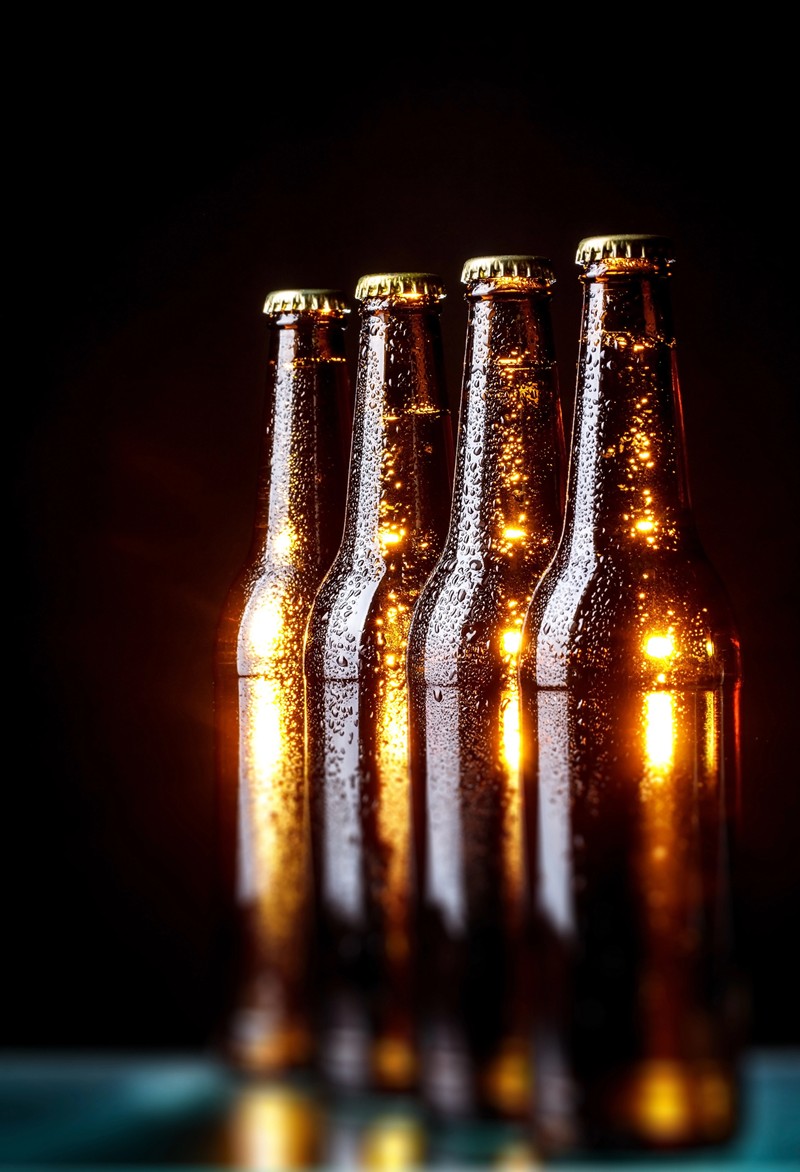
The British government said on Thursday, November 5, that it will raise alcohol duty by 4.55% from February 1, 2027, increasing tax costs for brewers and pubs while widening support for small producers and proposing a new right that could let some tied pubs sell guest beers.
The measures, set out in Budget 2026 and reported by The Beer Post, point to a mixed outcome for the beer market. Larger brewers and many hospitality operators face higher costs, while smaller producers are due to receive broader tax relief. For the drinks industry, the changes could affect margins, pricing and competition across breweries, importers and pubs, with any final impact depending on how businesses pass on higher costs and how the proposed pub rule is written into law.
Under the new duty rates, standard beer in the 3.5% to 8.4% alcohol-by-volume range will rise to £23.61 from £22.58. Qualifying draught beer in the same strength range will rise to £20.34 from £19.45. For a 4.5% ABV draught pint, the duty increase adds about 2.3 pence before value-added tax.
Industry groups and pub operators have warned that the effect on consumers could be larger than the duty increase alone. Admiral Taverns said it expects prices to rise by about 20 pence a pint, while Young’s said it plans to make pub-by-pub adjustments. The Beer Post said the projected 20 pence increase reflects broader operating pressures, not just the change in duty.
At the same time, the government is expanding Small Producer Relief from February 1, 2027. It estimates the revised system will provide about £10 million a year in support to more than 2,000 small alcohol producers across the United Kingdom.
The changes are designed to give eligible producers more help as costs rise, and to improve incentives for lower-strength products. Beer and other qualifying alcoholic drinks below 3.5% ABV will receive a more generous discount taper. For products between 3.5% and 8.4% ABV, HM Revenue & Customs will increase the marginal discount by the retail price index plus an additional 10%.
To qualify for the relief, producers must meet HMRC’s small producer rules. Those include making qualifying alcoholic products below 8.5% ABV, not producing them under license, and staying below an annual production threshold of 4,500 hectoliters of pure alcohol.
The Society of Independent Brewers and Associates, known as SIBA, has argued that the previous system put smaller brewers at a disadvantage as demand grew for lower-strength beer. The revised taper is meant to make those products more commercially viable. The actual benefit for each producer, however, will vary based on output, alcohol strength and whether the business qualifies. The Beer Post gave one example: a brewery producing 1,000 hectoliters of standard 4.5% ABV beer could face about £4,600 in additional annual duty before relief under the new standard rate.
The budget package also includes a proposed “guest beer” provision in the Pubs Code for England and Wales. If it is enacted, eligible tied pub tenants would gain more freedom to stock beers from outside the supply arrangements set by their pub-owning companies. The measure has not yet become law, and the exact rights and conditions would depend on legislation still to come.
That proposal could matter for smaller breweries trying to reach more tap handles. SIBA has said independent brewers cannot currently access about 62% of local pubs because tied agreements limit what tenants can buy and sell. A new guest beer right could open more routes to market for some producers and widen choice for drinkers, though the scale of any benefit will depend on how broadly the final rules apply and how easily tenants can use them.
Scotland already has a guest beer right, but SIBA said in an April 2026 report that awareness of the system was limited and that there were obstacles to making applications. That experience suggests the policy in England and Wales may not deliver wider access on its own unless the final framework is clear and practical.
Separately, the government said business rates relief for qualifying pubs, social clubs and most live music venues in England will increase to 35% from 15% beginning April 1, 2027. That relief offers support to parts of the on-trade facing higher beer duty and other cost pressures.
The combined measures create uneven effects across the market. Eligible small breweries stand to gain more from duty discounts. Producers focused on lower-strength beer are due to receive more favorable relief. Larger brewers, which do not get the extra Small Producer Relief support, will absorb higher duty costs. Tied pub tenants could see more flexibility if the guest beer measure becomes law, and some English pubs will also benefit from stronger business rates relief.
For the broader beverages sector, the changes may reshape pricing and product strategy. Brewers may reassess the economics of lower-strength beer because of the improved taper, while pub operators and importers may need to decide how much of the tax increase to absorb and how much to pass on to customers. Smaller producers may gain a more competitive position in some parts of the market if the relief works as intended and if access to tied pubs improves.
More detail is still expected on the guest beer legislation, revised Small Producer Relief tables and the business rates support. Breweries and hospitality businesses now have several months to prepare for the February 1, 2027 duty changes and to model how the new rules could affect production, wholesale pricing and retail prices.