Italy opens a new funding program for vineyard investments in 2026/2027
The measure offers up to 80% support for water management, precision farming, soil protection and biodiversity projects.
Friday, September 4, 2026
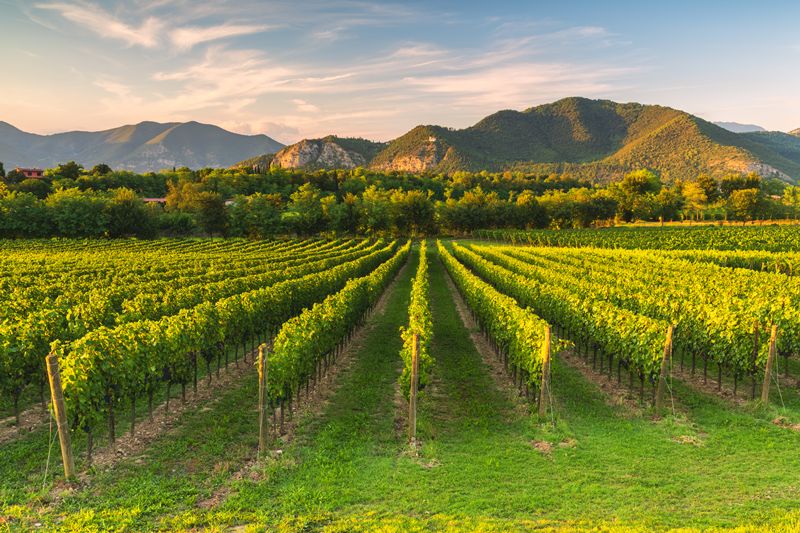
Italy has activated a new support measure for vineyard investments starting with the 2026/2027 campaign, opening a fresh source of public funding for wine grape growers as producers face pressure to modernize vineyards and adapt to climate and environmental demands.
The measure was established under Decree No. 381401 of Aug. 4, 2026, and applies to the intervention set out in Article 58(1)(m) of European Union Regulation 2021/2115. According to the decree, the program is meant to support investment in vineyards at the agricultural stage, rather than in winery facilities.
That distinction is central to how the new aid fits into Italy’s broader wine policy. An existing investment measure under Article 58(1)(b) will continue to finance work in wineries, while the new program is aimed at vineyard operations other than the restructuring and conversion of vineyards, which are already covered by separate tools.
The new support can be used for projects to improve water management, a priority for growers dealing with drought risk and rising weather volatility. It also covers the purchase of equipment for precision or digitalized farming methods, including sensors, drones and sprayers. Other eligible projects include soil conservation work, measures to increase carbon sequestration capacity, actions to create or preserve habitats that support biodiversity, and landscape protection, including the conservation of historical heritage. The measure also allows support for efforts to reduce waste production and improve waste management.
Eligible applicants include natural persons and legal entities that operate vineyards planted with wine grape varieties. The decree identifies individual and associated farm entrepreneurs, agricultural cooperatives, and partnerships and corporations engaged in agricultural activity as potential beneficiaries.
The aid rate is set at 80% of eligible spending, a high level of co-financing that could lower the barrier to investment for growers who have delayed upgrades in the field. For the drinks sector, that matters because vineyard decisions shape the grape supply on which wine producers depend. Stronger support for precision tools, water efficiency and soil health could, over time, influence yields, production costs and the sector’s ability to cope with climate stress.
The program will not be run in exactly the same way across the country. Italy’s regions will have broad discretion when they publish their own calls for applications. They will be able to set minimum and maximum eligible spending thresholds, reduce the share of support granted, allow advances and decide their size, identify specific categories of beneficiaries, permit changes to approved projects, and determine whether projects run for one year or two years. Regions will also be able to introduce priority criteria.
That regional role means the practical impact of the measure may vary widely from one wine area to another. In regions where administrations move quickly and commit larger resources, growers may have faster access to funding for technology and environmental projects. In others, the scope could be narrower if local authorities choose tighter spending limits or lower contribution rates.
The total financial allocation has not yet been disclosed. The final amount will depend on decisions by regional administrations and on savings generated within other existing wine support measures, including winery investment programs and vineyard restructuring schemes.
Applications for aid must generally be submitted by March 30 each year. For the 2026/2027 campaign, however, the deadline has been set later, on Nov. 30, 2026, giving regions and applicants additional time for the first year of the measure.
The rollout comes as wine producers across Europe are under increasing pressure to invest beyond the cellar, especially in the vineyard, where water use, pest management, soil protection and biodiversity have become central business issues as well as regulatory ones. In Italy, where many wine regions combine high production volumes with a fragmented base of growers, an 80% aid rate could be significant for smaller operators and cooperatives that may want to adopt digital tools or conservation practices but lack the capital to do so on their own.
Because the funding is targeted at vineyard-stage investment rather than plant replacement or winery equipment, the measure may also help fill a policy gap between long-term vineyard restructuring and downstream production improvements. That could make it especially relevant for growers seeking more immediate operational upgrades, such as precision spraying systems, monitoring devices or projects tied to soil and water management.
The decree does not yet answer one of the questions likely to matter most to producers: how much money will ultimately be available in each region. Until regional calls are published, growers will also not know the exact spending thresholds, priorities or any special conditions that could affect their chances of obtaining support.
Even so, the framework now gives Italy’s wine grape sector a new public tool focused on the vineyard itself, at a time when many producers are trying to balance environmental goals with the need to protect harvests and manage costs in the field.