Bordeaux opens its 2026 grape harvest with merlot already being picked
ISVV says cabernet sauvignon is ripening more slowly after rain altered berry weight, juice volume and malic acid in some parcels.
2026-09-04
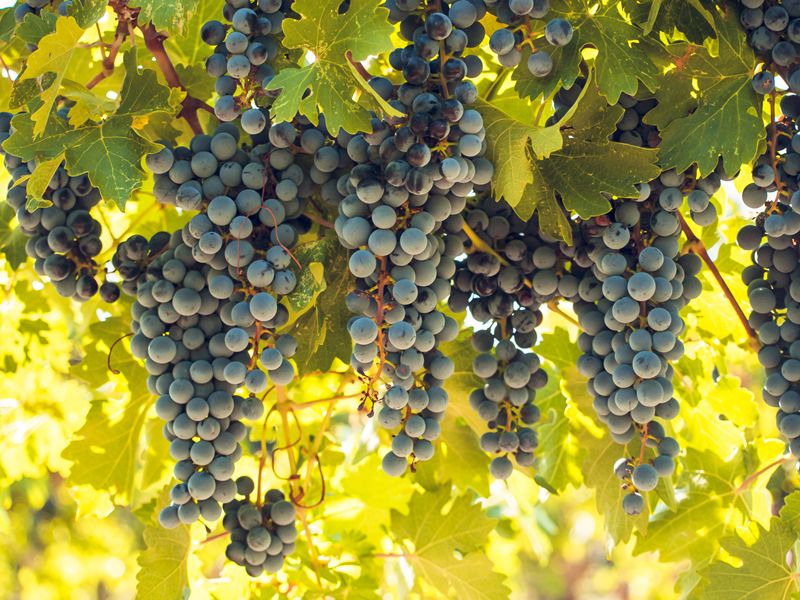
Bordeaux’s 2026 grape harvest has opened with merlot already being picked, while cabernet sauvignon is moving more slowly toward full ripeness, according to a new vineyard update published Thursday by the Institut des Sciences de la Vigne et du Vin at the University of Bordeaux.
The institute said the last week brought weather that was more typical for a harvest period after a season marked by uneven development. Even so, the picture across Bordeaux remains highly mixed. ISVV reported strong differences from one parcel to another, with only the latest-ripening sites still showing clear changes in key biochemical indicators.
That uneven pattern is especially visible between the region’s two leading red grapes. Merlot, which generally ripens earlier, is already in harvest. Cabernet sauvignon is still progressing, but at a slower pace this week, the institute said. In practice, that means growers are not working with a single regional timetable. Instead, they are making decisions parcel by parcel, depending on local conditions and the stage of maturity in each block.
ISVV said recent rain episodes at times produced a visible dilution effect in several measurements, including berry weight, juice volume and malic acid content. The institute did not describe the effect as uniform across Bordeaux, but its note suggests that rainfall was enough in some vineyards to alter the composition now being tracked just as fruit comes in or nears picking.
For growers and winemakers, those changes matter because they affect both harvest timing and what arrives at the cellar. A rise in berry weight and juice volume after rain can lower concentration in the must, while changes in malic acid can influence freshness and the acid balance that winemakers must manage during fermentation. In a region where estates often harvest and vinify small parcels separately, the reported heterogeneity may lead to more selective picking and more tailored cellar decisions in the coming days.
Malic acid is one of the main organic acids in grapes and tends to decline as berries ripen. When its level shifts because of maturity differences or dilution after rainfall, it can affect the style of the young wine and the choices wineries make later, including whether to adjust picking sequences, separate lots more carefully or change the timing of fermentation work. In a harvest like this one, the chemistry of the fruit could vary sharply from one parcel to the next even within the same property.
The update from Bordeaux comes at a critical point in the vintage, when technical teams are watching not only sugar and acidity but also berry size, juice yield and the condition of the skins and seeds. ISVV said that only the latest parcels are still showing significant movement in their biochemical parameters. That suggests that, for many vineyards, the window for major changes before harvest is narrowing, even if some blocks still have time to evolve.
The institute’s wording points to a season in which broad regional averages may hide large local contrasts. Bordeaux growers often face variation between gravel, clay and limestone soils, as well as differences in exposure, drainage and vine age. When rain arrives close to harvest, those contrasts can become more visible. Some parcels absorb or shed water differently, and fruit that is otherwise similar in maturity can react in distinct ways in terms of juice and acid levels.
That has direct importance for the beverage sector beyond the vineyards themselves. Merchants, cooperatives, négociants and wineries all rely on early harvest reports to anticipate the likely profile of the vintage and the practical demands of vinification. If dilution affects berry weight and juice volume in parts of Bordeaux, it could shape expectations around extraction, balance and the eventual blending of merlot and cabernet sauvignon. If malic acid levels are less consistent than usual, producers may also need to watch more closely how individual lots develop from must to finished wine.
The latest note does not offer a broad forecast for quality, and Bordeaux’s harvest is still unfolding. But it does make clear that the 2026 vintage is entering its decisive phase with merlot already under way, cabernet sauvignon still advancing, and a patchwork of vineyard conditions that could make the region’s final wines more dependent than usual on precise timing in both the field and the cellar.
ISVV has been issuing regular observations on the vintage as the season progresses. Its latest report shows a harvest period that is now closer to normal in weather terms, but still far from uniform in the vines. For Bordeaux producers, that means the next days of picking will likely be guided less by regional averages than by close monitoring of each parcel’s fruit composition.
