Gallup finds 32% of American drinkers now choose spirits most often
Beer still leads at 36%, but its advantage over spirits has shrunk to four points from 23 in 2016
Friday, August 21, 2026
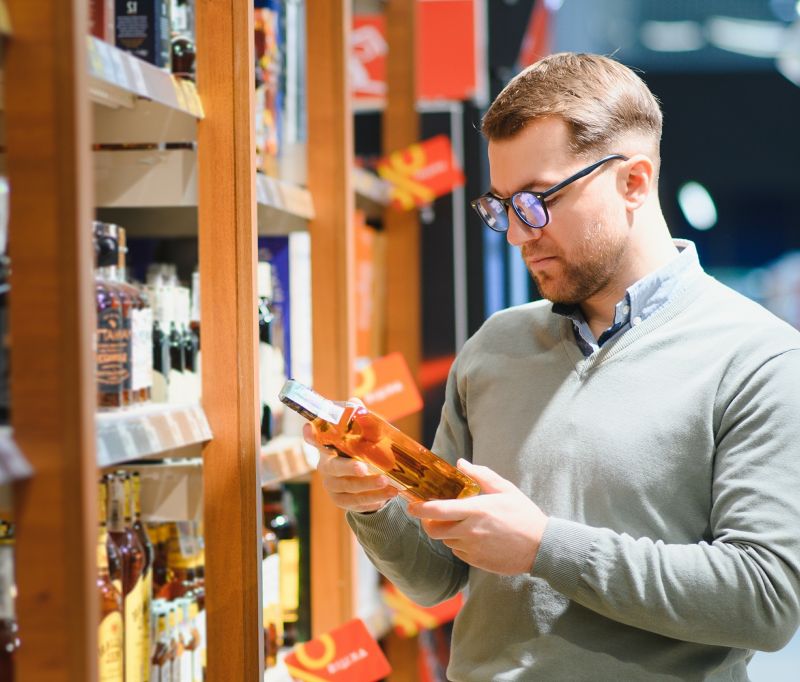
Spirits have gained ground with American drinkers over the past decade, with 32% of U.S. alcohol consumers now saying distilled beverages are the type they drink most often, according to a Gallup report released Thursday.
The figure marks a rise of 12 points from roughly 20% in 2016. Beer remains the most frequently chosen category at 36%, but its lead has narrowed after a drop of seven points over the same period, Gallup found.
The findings come from Gallup’s annual survey on drinking habits, conducted from July 1 through July 19, 2026, and published in a report titled “Americans’ Drinking Remains at Record Low.” The poll measures self-reported preference among people who drink alcohol. It does not track sales, consumption volumes, pricing, or market share.
The results point to a notable shift in beverage preference inside the U.S., the world’s largest alcohol market by value, even as the broader report shows that drinking participation remains historically low. Gallup’s category measure asks drinkers which kind of alcoholic beverage they consume most often, offering a snapshot of how preferences are changing rather than how much of each product is being sold.
Beer still holds the top spot, but the gap between beer and spirits is much smaller than it was a decade ago. In 2016, beer led spirits by about 23 points, based on Gallup’s figures. In the latest survey, that advantage has shrunk to four points.
The new data also show a clear split by gender. Among women who drink alcohol, 37% said spirits are the beverage they consume most often. Among men, the share was 26%. That difference suggests much of the category’s recent momentum has come from female consumers, even though beer remains strong overall.
Gallup also found that spirits are close to beer among younger adults, where the two categories are now nearly tied. That marks another change from earlier patterns in U.S. drinking, when beer had a more comfortable lead among younger consumers. The report did not frame the shift as a direct substitute effect, but the side-by-side movement in the data shows spirits rising as beer loses some ground.
The poll adds to a broader picture of a changing U.S. alcohol market, where ready-to-drink cocktails, premium spirits, tequila, bourbon, and other higher-value categories have expanded their presence over the past several years. Gallup’s survey does not break out specific spirit types in the headline preference measure, but its top-line result suggests distilled products are becoming a more common default choice for many drinkers.
At the same time, the survey’s limits are important. A self-reported preference measure captures what respondents say they drink most often, not how many drinks they consume, how much they spend, or whether one category generates more revenue than another. A person who names spirits as a preferred drink may consume them less often in volume than a beer drinker, depending on serving size and drinking habits. The Gallup figures therefore show a change in declared preference, not a direct readout of commercial performance.
Even with that caveat, the trend is significant because it tracks movement in consumer identity as much as behavior. When more drinkers describe spirits as their main choice, it suggests the category is becoming more central in everyday alcohol consumption, not just in special occasions or high-end purchases. That matters for producers, retailers, and restaurants because shifts in stated preference can influence product mix, marketing, and pricing over time.
Gallup released the report on August 20, one day before the latest figures drew broader attention. The survey was conducted nationwide in the United States. Its main finding on beverage choice was straightforward: beer is still the most commonly named drink among U.S. alcohol consumers, but spirits have gained steadily and now stand much closer to the top than they did in 2016.
The survey also places that shift in a wider social setting. Americans as a whole are not reporting higher drinking participation. Instead, the change is happening within a smaller or restrained drinking population, where the mix of preferred beverages is evolving. In that sense, the growth in spirits is a relative gain inside the drinking market rather than evidence of a broad rise in alcohol use.
For the spirits industry, that is still a meaningful development. A 12-point increase in declared preference over 10 years in the United States signals a durable change in consumer taste. For beer, the seven-point decline does not remove its position as the leading category, but it does show that its traditional dominance has weakened. Gallup’s data suggest the distance between the two is now narrow enough that future surveys could show a different order if current patterns continue.