Winemaking study finds bioprotection slashes copper in grape must.
A pre-fermentation microbial treatment also lowered some pesticide residues without altering must composition in the conditions studied.
2026-09-02
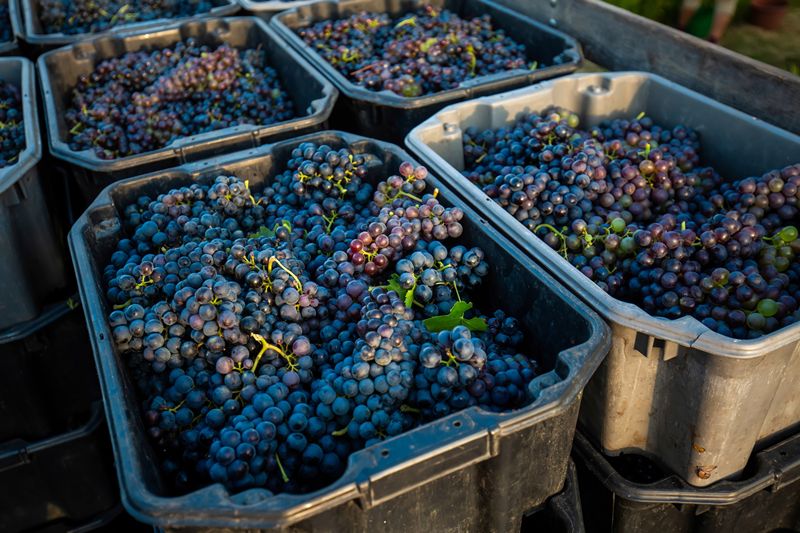
A pre-fermentation bioprotection method used in winemaking cut copper and pesticide residues in grape must in a new study, suggesting that a tool already used to control spoilage microbes could also help wineries lower chemical inputs before fermentation begins.
The research, published this week in the International Journal of Food Microbiology, looked at grape musts made from treated vines and tested whether bioprotection could do more than limit the growth of unwanted fungi and other microorganisms. The researchers found that the approach significantly reduced copper levels and also lowered some pesticide residues, without changing the basic composition of the must under the conditions studied.
In winemaking, grape must is the freshly pressed juice that contains skins, seeds and other solids before or during the early stages of fermentation. It is also the point at which residues from vineyard treatments can enter the cellar. Copper and pesticides remain major issues in viticulture because growers still rely on them to protect vines, even as regulators tighten use limits and the wine industry faces pressure to reduce its environmental footprint.
The study focused on bioprotection at the grape-processing stage, using microorganisms before alcoholic fermentation to occupy the environment and limit the development of spoilage organisms. According to the monitoring summary of the paper, the pre-fermentation system involved Lactiplantibacillus plantarum and non-Saccharomyces yeasts. In that setting, one fungicide residue, fluopicolide, fell by as much as 65% within 24 hours, while copper removal reached about 80%.
The paper said bioprotection may reduce copper by binding copper ions and causing them to precipitate, making them easier to remove from the must. For pesticides, the researchers said selected yeast strains may metabolize some compounds or adsorb them on their surface, lowering the amount left in the liquid. The study described these effects as significant, but the mechanisms still appear to depend on the microorganisms used and the compounds present in the must.
That distinction matters for producers because copper and pesticide residues are not handled the same way in the cellar. Copper is a long-running concern in vineyards, especially in systems that depend heavily on copper-based plant protection products. Excess copper in must or wine can create technical problems and raises broader sustainability questions. Pesticide residues carry a different set of concerns, including compliance with residue limits, export requirements and consumer scrutiny.
For the drinks sector, the results point to a practical possibility: a microbial treatment added for cellar protection may also help reduce copper and pesticide residues before fermentation, potentially giving wineries another way to improve sustainability and meet regulatory expectations without adding a separate chemical removal step. That does not mean the method replaces vineyard control programs, but it could become part of a broader residue-management strategy for wine production.
The study arrives as wine producers face growing pressure to adapt to environmental rules while preserving grape quality. Vineyard treatments have become harder to manage because disease pressure remains high in many regions, while allowed doses and approved uses are under closer review. In that context, any method that lowers residues after harvest without disrupting must composition could attract attention from producers looking for changes that fit existing cellar workflows.
The researchers said the findings broaden the role of bioprotection in oenology. Instead of serving only as a microbial control tool, it may also help reduce chemical residues in grape processing. That could be especially relevant for wineries that already use non-Saccharomyces yeasts or related bioprotection systems and are looking for ways to cut inputs, improve process sustainability and respond to demand for wines made with fewer residual contaminants.
