China’s drinkers abandon banquet culture for casual drinking
IWSR says younger consumers, home drinking and on-demand delivery are redrawing demand as 2025 volumes fall by -4%
2026-08-06
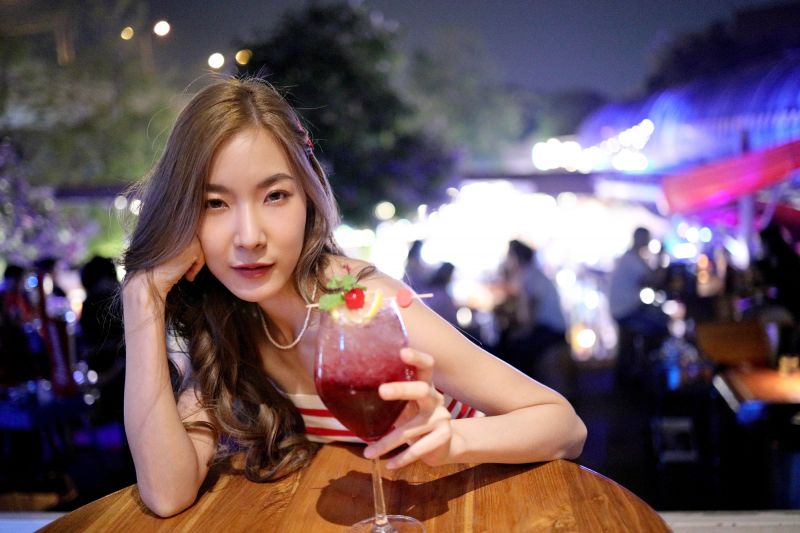
China’s alcohol market is moving away from banquet halls and business entertainment, and producers of spirits, beer and wine are being pushed to adjust to a different kind of drinker, according to an analysis released on June 25 by IWSR.
The research group said the country’s beverage alcohol market is in the middle of a structural reset after years in which growth was tied closely to gifting, formal dinners and company spending. That model has weakened sharply, IWSR said, and is not expected to return to its former scale in the near term. In its place, a new pattern is taking shape, driven by younger legal-drinking-age consumers, more casual social occasions, more drinking at home and the rapid expansion of on-demand delivery.
For the drinks industry, that change matters across categories. It affects where consumers buy alcohol, what styles they choose, how much they are willing to pay and which occasions still support premium products. It also shifts the balance between restaurants and bars on one side and retail and e-commerce on the other.
IWSR said 2025 was another difficult year for China’s market. Total beverage alcohol volumes fell by -4%, or by -2% when baijiu, the country’s dominant national spirit, is excluded. The overall decline, however, masked a more uneven picture. The firm said some categories showed dynamic growth, including imported white spirits and ready-to-drink products, while whisky, white wine and premium beer showed signs of promise. Baijiu, by contrast, continued to decline.
That mix is expected to continue in 2026. IWSR said early indicators suggest some parts of the market may have reached a low point, but it described the outlook as mixed rather than broadly positive. The company said there are still real openings for businesses that follow the new consumer pattern instead of waiting for the old business-drinking model to recover.
Shirley Zhu, IWSR’s China research director, said alcohol consumption in the country is moving away from obligation and gifting and toward personal enjoyment, casual gatherings and value. In her view, that shift is changing who buys alcohol, what they buy, where they buy it and how much they want to spend.
That has direct implications for wine, beer and spirits brands that have long depended on high-end business dining. Younger consumers, IWSR said, are embracing casual drinking but remain largely absent from high-end wine and from most premium dark spirits. Older drinkers, meanwhile, are becoming more selective and cautious as business occasions have not returned in a meaningful way.
The result is a market that is no longer centered on a few large ceremonial moments. Instead, consumption is spreading into smaller, more personal settings. IWSR said home drinking is growing across spirits and wine. It also pointed to rising demand for smaller pack formats, solo consumption and drinking in small groups. On-demand delivery, often referred to in China as O2O, is another important part of that shift, because it supports spontaneous purchases and makes off-premise drinking easier.
That change in occasion is also altering the hospitality trade. According to Zhu, the on-trade is moving away from large, high-energy venues and toward smaller bistros, cocktail bars, fusion restaurants and live houses, the kind of venues built around live music and lighter social occasions. Business dining, which historically drove premium alcohol sales, has largely disappeared, she said.
For restaurants and bars, the trend suggests that premium sales may now depend less on large company accounts and more on whether operators can build appealing consumer experiences for smaller groups. Cocktail programs, by-the-glass wine, premium beer and mixed-drink formats may benefit in that environment, especially when price sensitivity is high and consumers want flexibility rather than a large-bottle commitment.
For wine, the message is particularly clear. China has long been a difficult market for producers who relied on status-led purchasing and banquet occasions. IWSR’s findings suggest that future demand may be more tied to approachable styles, informal drinking and at-home use than to luxury gifting. The reference to white wine as an area showing some promise is notable because it points to pockets of interest outside the categories that once defined premium consumption.
Beer also stands to gain in selective ways. Premium beer was among the categories that IWSR said showed signs of promise, and that fits with the broader move toward casual social occasions. Beer is well suited to smaller venues, home use and delivery-based consumption, especially when drinkers are looking for value and lower-pressure occasions.
In spirits, the picture is more divided. Baijiu continues to lose ground, reflecting the erosion of the business and gifting culture that supported much of its premium market. At the same time, imported white spirits and RTDs are growing, according to IWSR. Those categories are often better matched to casual consumption, mixed drinks and younger adults who are shaping new patterns of drinking.
The delivery piece is important because it changes not only access but also timing. Consumers can order alcohol quickly for a meal at home, a small gathering or a late social occasion without planning ahead. That favors categories that are easy to understand, easy to serve and available in formats that suit one or two people rather than a large table. It also gives brands and retailers a reason to think differently about packaging, pricing and digital visibility.
The report does not suggest a broad rebound for China’s drinks market. Instead, it describes a country where the core reason for drinking is being rewritten. That creates risks for producers still tied to formal entertaining, but it also opens room for products that fit everyday use, modest spending and more personal tastes.
IWSR said the companies best placed to find growth will be those that respond to the new occasion landscape rather than wait for banquet-driven demand to come back. In practical terms, that means paying close attention to younger adults, home consumption, convenience, smaller formats and the venues that now attract consumers, from neighborhood bistros to cocktail bars and live music spaces.
