U.S. Restaurants Push Wine Markups to Six Times Wholesale Cost
Industry leaders warn that soaring list prices are driving diners to skip wine orders and drink at home instead.
2026-07-16
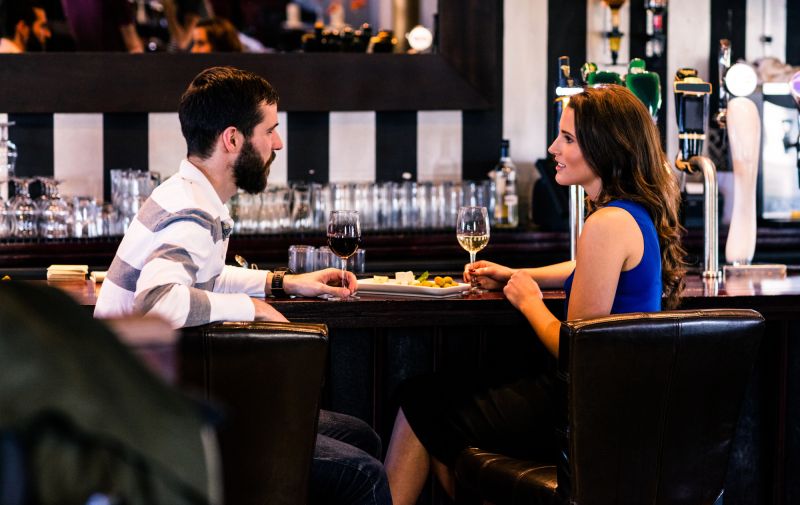
Wine prices in U.S. restaurants have become a growing source of tension for the industry, as some venues now mark up bottles to six times their wholesale cost, according to Gino Colangelo, founder and president of the New York wine public relations firm Colangelo & Partners.
Speaking on The Drinks Business Podcast as his agency marked its 20th anniversary, Colangelo said the long-standing restaurant model had been to recover the full cost of a bottle with the first glass poured, which worked out to roughly a four-times markup on the bottle. In cities such as New York, he said, that standard has moved higher.
“Now restaurants are taking six times markup,” Colangelo said, citing an example of a bottle of Prosecco with a wholesale cost of about €1.70 that appeared on a New York wine list at $60. He said producers have reacted with disbelief when they see those prices in the market.
Colangelo linked the higher pricing to the cost pressures restaurants have faced since the pandemic, especially rent and labor. In that environment, he said, wine has become an easy place for operators to expand margins. He described a pricing logic in which a restaurant that can charge $12 for a glass asks why it should not charge $14 or $16 instead.
He argued that this approach is making wine less accessible, especially for younger and entry-level drinkers. In his view, high by-the-glass prices are discouraging consumers from engaging with wine in restaurants and changing how they order. He said the traditional habit of sharing a bottle at the table has become less common among diners who are more accustomed to buying wine by the glass.
He pointed to another example from a Chilean restaurant in downtown Manhattan where food prices were relatively moderate but the least expensive bottle on the wine list cost $100.
The concern goes beyond sticker shock. Colangelo said more Americans are drinking at home before going out, a practice often called preloading, to avoid paying high restaurant prices for wine and cocktails. That shift matters because it can further weaken wine sales in bars and restaurants at a time when the on-trade is already under pressure.
Industry data cited by The Drinks Business supports that broader slowdown. According to figures from Southern Glazer’s Wine and Spirits reported earlier this year, on-trade wine sales in the United States have fallen by about 25% since 2019. NielsenIQ data cited in the same report showed wine’s dollar share of the on-premise channel down 0.3% over the past year, while ready-to-drink cocktails gained share. The same report also noted that the number of fine-dining outlets in the United States continues to decline.
Consumer resistance to restaurant pricing appears clear in survey data as well. More than 75% of wine drinkers told the Wine Market Council they are unwilling to pay more than $16 for a glass of wine in a restaurant, according to figures cited by The Drinks Business.
For the beverage sector, sustained markups at the top end of restaurant pricing could have effects beyond individual dining rooms. If consumers order less wine when they go out, or skip it altogether, that can reduce turnover for importers, distributors and producers that depend on restaurant placements to build volume and visibility. It may also push demand toward categories seen as offering better value, including ready-to-drink products and other alternatives already gaining share in on-premise accounts.
Colangelo did not prescribe a specific pricing formula for restaurants and said he could not speak directly to the economics of running them. But he warned that aggressive pricing carries commercial risk if customers decide restaurant wine has become unaffordable.
“If people stop drinking in your restaurant because your prices are prohibitive, then it’s a very short-sighted way to approach pricing,” he said.
As one possible response, he called for closer coordination among producers, importers, distributors and restaurateurs to create more accessible options by the glass, including wines priced around $10 or $11 and potentially paired with food. He also suggested restaurants should offer more approachable opening price points on bottle lists instead of starting at $80 or more.
Some operators are already moving in that direction. The Drinks Business has previously reported that sommeliers and beverage directors at several major U.S. restaurant groups are steering guests toward lower-priced regions such as the Loire Valley instead of prestige labels, offering smaller pours to encourage trial and promoting competitively priced sparkling and white wines as areas of growth even as overall on-trade wine sales continue to fall.
